Anxiety manifests as excessive worry, nervousness about various aspects of life, and an overall uneasiness about the future.

Anxiety manifests as excessive worry, nervousness about various aspects of life, and an overall uneasiness about the future.
Forgiveness is a powerful act that encourages emotional healing. For many women, harboring resentment can lead to stress and anxiety

Happiness at Christmas doesn’t come from perfection but connection and mindfulness.

Here are several strategies to help you navigate situations and maintain your well-being:
A balanced approach that combines healthy eating, regular physical activity, and smart lifestyle habits.
Women tend to live longer than men
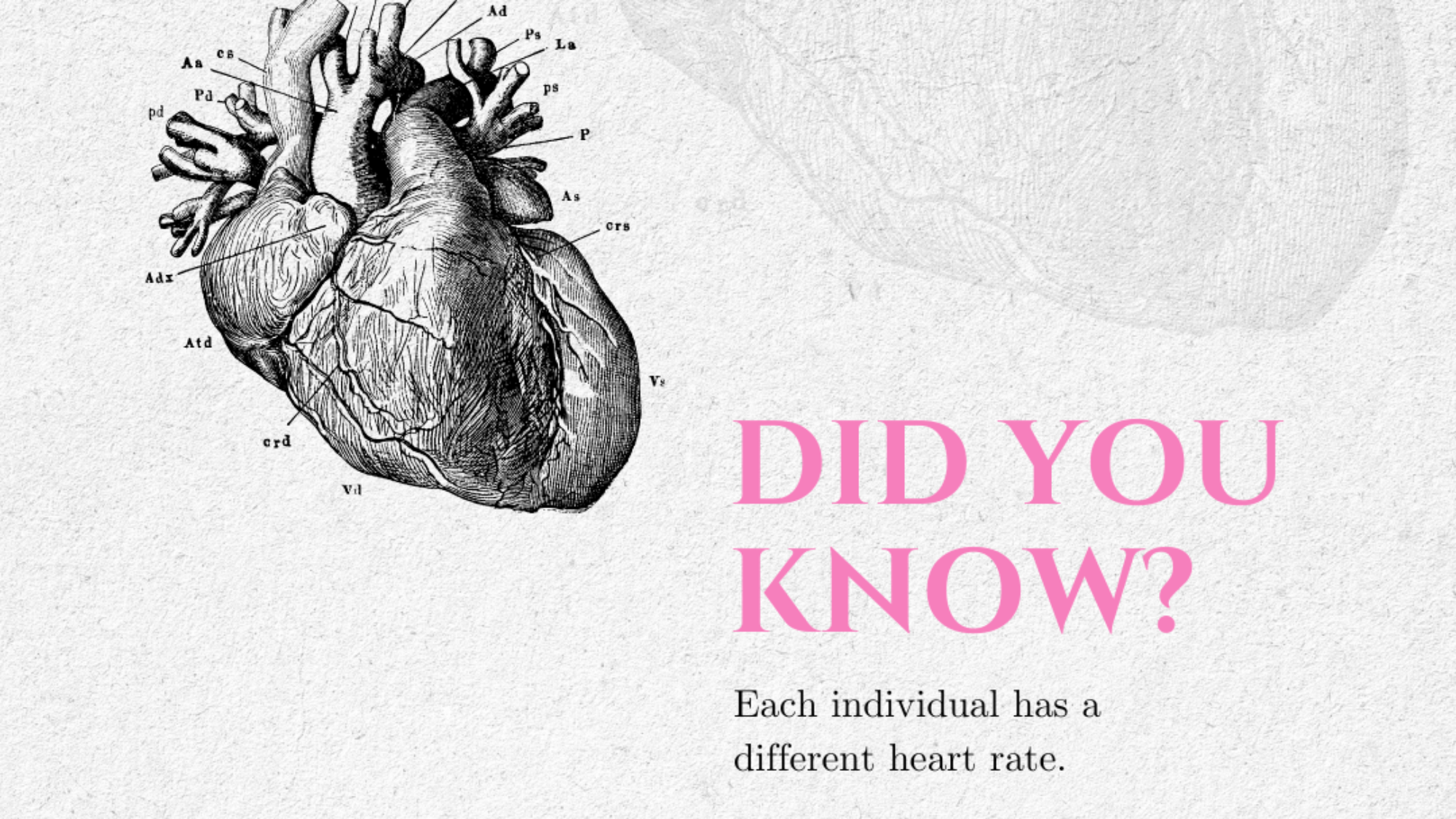
Without a healthy heart, we cannot prevent disease. In my wellness practice, I encounter women who do not know how to care for their hearts to prevent disease. In this article, I share my Essential Guide To Heart Health. Here, I share a few simple facts that will inform you about your most precious organ.
The heart is an important part of the circulatory system, and it’s responsible for pumping blood and oxygen throughout the entire body.
Take a moment to get in tune with your heart by placing two fingers against your neck just below your jawline. You can also try placing two fingers on your wrist, just below the base of the thumb. That bump bump feeling is your heart in action. It’s working hard to keep you alive and supply blood and oxygen to all the necessary areas in the body.
The heart is an incredible organ that works hard every day. The adult heart beats between 86,000 and 144,000 times each day.** Children tend to have a faster pulse than adults which means their hearts tend to beat between 100,000 and 158,000 times a day?—?amazing!
A healthy heart is exceedingly beneficial to the human body, but an unhealthy heart can cause numerous health issues. In fact, in most western countries, heart disease is the leading cause of death for men, women, and people of most racial and ethnic groups in the United States.
Some people are born with heart conditions, while others develop them over time. For some, heart issues are an unavoidable reality. For many others, the risk of heart disease can be significantly lowered with a healthy lifestyle.
The human heart serves an essential function in the body, but what is it and how does it work? What is unique about the heart and why is it so important to maintain a healthy heart? This section will give you a better understanding of the marvel that is the human heart.
The human heart is a muscular organ in the circulatory system that supplies oxygen and nutrients (in the blood) to tissues in the body. It is also responsible for removing carbon dioxides and other waste as it circulates in and out of the heart.
The heart rests at the centre of the body, slightly left of the centre. The adult human heart weighs between 8 and 12 ounces. Men’s hearts tend to weigh a bit more than women’s.
The human heart has four chambers:
The bottom chambers: The right and left ventricles are responsible for pumping blood out of the heart. The right ventricle receives blood from the right atrium and then sends it to the lungs, which can be filled with oxygen. The left ventricle, the strongest chamber in the heart, pumps the oxygen-rich blood back into the body.
The top chambers: The right and left atrium are responsible for receiving blood entering the heart. The right atrium receives blood from the veins and then sends it on to the right ventricle. The left atrium receives oxygenated blood from the lungs and passes it on to the left ventricle.
Blood pressure refers to the force used to pump blood and oxygen throughout the body. The heart creates this force.
When a doctor or nurse measures blood pressure, they’re checking to see how much force is used to circulate the blood through the body. Naturally, if your heart is beating faster your blood pressure may also rise, but there are other factors that lead to high blood pressure like smoking, stress, or lack of physical activity.
An unusually high or low blood pressure may indicate a problem in the circulatory system.
There are many types of heart disease and heart conditions, but here we will be discussing some of the most common ones.
Here’s a quick look at common heart conditions:
Some of the things mentioned in the section above are products of genetics or circumstances, meaning there are outside controlling factors that couldn’t have been prevented. For many other heart conditions, lifestyle plays a large part in keeping the heart healthy.
Though lifestyle changes can’t 100% protect you from developing a heart condition, experts believe that they can significantly reduce the risk.
Here are some of the significant ways that doctors, scientists, and heart specialists recommend keeping the heart healthy- follow these important steps:
Virtual Hugs, and Remember to Live Life on Purpose because Your Wellness Matters!

Hello, I’m Paula; I can help you enhance and maintain your health and well-being for a healthier and happier You.
I advocate Holistic living, which is not just about the practice of therapeutic interventions; it’s also about living life authentically—it’s about living Your Best Life!
In my blogs and videos, I share how to approach daily living ‘holistically’ for the healing, health, and wellness of Mind, Body, and Personal Development to be a healthier and happier You.
Affiliate Link: Got a YouTube channel? To Get More Views and Subscribers, click this link to get your free Tube Buddy today. https://www.Tubebuddy.com/pricing?a=Wellness4Women
As a wellness consultant and coach, I am committed to science-based holistic health and prioritise your well-being. I offer free initial consultations for those seeking to enhance their overall wellness.
However, if you have serious health concerns, I urge you to consult your healthcare provider for personalised guidance.
Please Subscribe to my Blog and YouTube channel so that you won’t miss out on posts.
Let’s embark on your journey to well-being together.
Remember, live life with intention because your wellness matters. Paula Rose Parish is a life member of (ISFP) The International Society of Female Professionals. And also earned qualifications in pastoral counselling and theology, a Master of Arts in counselling in professional development, and a BACP in life coaching. Paula Rose is currently working on her health and nutrition certification.
Visit our W4W shop, where you’ll find my downloadable self-help books, planners and recipe PDF e-Books in my shop at https://1.hairforu.net
If you wish to connect with me, please do so at paularose@1.hairforu.net
0r paularoseparish@gmail.com
My books are available on AMAZON (coming soon on W4W website)
Paper back & E-Book- Nothing Good about Grief: Path to Recovery with Psalm 23
Paper back-Palm 23 Unwrapped: Hope in Difficult Times.
DISCLAIMER: Remember, your safety is our priority. If you’re new to psychological therapy, exercise, nutrition, or fitness or planning to start, it’s crucial to consult your physician. This blog/video is for educational purposes only and is not a substitute for professional medical advice or treatment. Your health and wellness matters, so please be safe.
#womenhealth #health #women #healthylifestyle #fitness #womenempowerment #wellness #womenhealthcare #weightloss #healthyfood #selfcare #love #motivation #healthy #healthcare #healthyliving #menstrualcramps #endometriosis #womenshealth #womensupportingwomen #menstruation #menopause #fibroid
Wellness Self-reflection is the process of consciously examining one’s thoughts, behaviours, emotions, and experiences to gain deeper insight into oneself.
It involves looking inward to evaluate one’s actions, decisions, and motivations in order to understand why one thinks or behaves in certain ways and how one can improve or grow.
This practice is often used for personal development, emotional growth, and decision-making, as it helps individuals make sense of their experiences and align their actions with their values and goals.
Common methods of wellness self-reflection include journaling, meditation, or simply setting aside quiet time to think. Regular practice can lead to a more mindful and intentional approach to life.

I am in awe of my body and how it looks after me.
I understand that my body is responsible for incredible processes and should be respected.
I ensure I look after my mental well-being. I remind myself of how important I am to the world.
I tell myself I deserve to be happy and celebrate my life and everyone in it.
I think positively, creating moments of happiness and reminding myself what I am grateful for.
I exist in the present moment.
I take care of my physical health. When I go for a run, I can feel my body working.
I know I have to respect my body.
I eat healthy foods and enjoy learning to cook.
I turn cooking into a social activity and encourage others to be healthy.
I am privileged to be part of a healthy community.
I take time to laugh and to see the joy in life.
I remind myself to look at the beauty and the intricacies of the world around me.
I find joy in every moment I spend in nature.
I am thankful I am part of this world.
Today, I appreciate the incredible journey my body is constantly making.
I look after my mental and physical well-being and celebrate my body and the fantastic miracles it performs.
Wellness is a holistic journey that nurtures your mind, body, and spirit. Self-reflection and affirmation are powerful practices that can help you stay connected with yourself, overcome challenges, and cultivate a positive mindset.
Regularly engaging in wellness, self-reflection can empower you to live a more intentional, balanced, and fulfilling life. So, start today by setting aside time for self-reflection and creating affirmations that resonate with you.
Remember, the journey to wellness begins within YOU!
I hope these strategies are helpful to you.
Ensure you subscribe—it’s free. We advocate preventive, holistic care, particularly for women over 50.
In the meantime, Live Life on Purpose Because Your Wellness Matters!
Affiliate Link: Got a YouTube channel? To Get More Views and Subscribers, click this link to get your free TubeBuddy today. https://www.Tubebuddy.com/pricing?a=Wellness4Women
DISCLAIMER: Remember, your safety is our priority. If you’re new to psychological therapy, exercise, nutrition, or fitness or planning to start, it’s crucial to consult your physician. This blog/video is for educational purposes only and is not a substitute for professional medical advice or treatment. Your health and wellness matters, so please be safe.
It’s much easier to be unproductive when your health is poor. When your ability to move, breathe, and think is impaired, productivity can be seriously limited. It works even better when you’re constantly worried about your poor health. Preventative Health holds the answer for all of us.
Looking after yourself is important- after all, no one will look out for you- except YOU!
If you want to be successful, you need to look after your health. You need to shift your mind set and think in terms of Preventative Health.
You might feel great, but many ailments don’t present symptoms:
1. Hypertension. High blood pressure isn’t noticeable until it’s extremely high. You can feel 100% normal with blood pressure high enough to cause significant damage. Check your blood pressure regularly.
2. Diabetes. Sure, there are symptoms. However, those symptoms only appear at very high levels of blood sugar. You can have a problem for years before the symptoms appear.
3. High cholesterol. You’ll still feel the same whether your cholesterol is very high or very low.
These are just a few simple examples. Many other medical conditions don’t present obvious symptoms.
The most effective way to maintain your health is to be proactive.
Get a regular check-up with your physician regardless of how you feel.
Think of it as an oil change for your body.
Remember—you want an expert to work on your car, so let an expert work on your body!
For more articles like these, click HERE
I hope these strategies are helpful to you.
Ensure you subscribe- it’s free. Ensure you subscribe- it’s free. We advocate preventive, holistic care, particularly for women over 50.
In the meantime, Live Life on Purpose Because Your Wellness Matters!
Affiliate Link: Got a YouTube channel? To Get More Views and Subscribers, click this link to get your free TubeBuddy today. https://www.Tubebuddy.com/pricing?a=Wellness4Women
DISCLAIMER: Remember, your safety is our priority. If you’re new to psychological therapy, exercise, nutrition, or fitness or planning to start, it’s crucial to consult your physician. This blog/video is for educational purposes only and is not a substitute for professional medical advice or treatment. Your health and wellness matters, so please be safe.
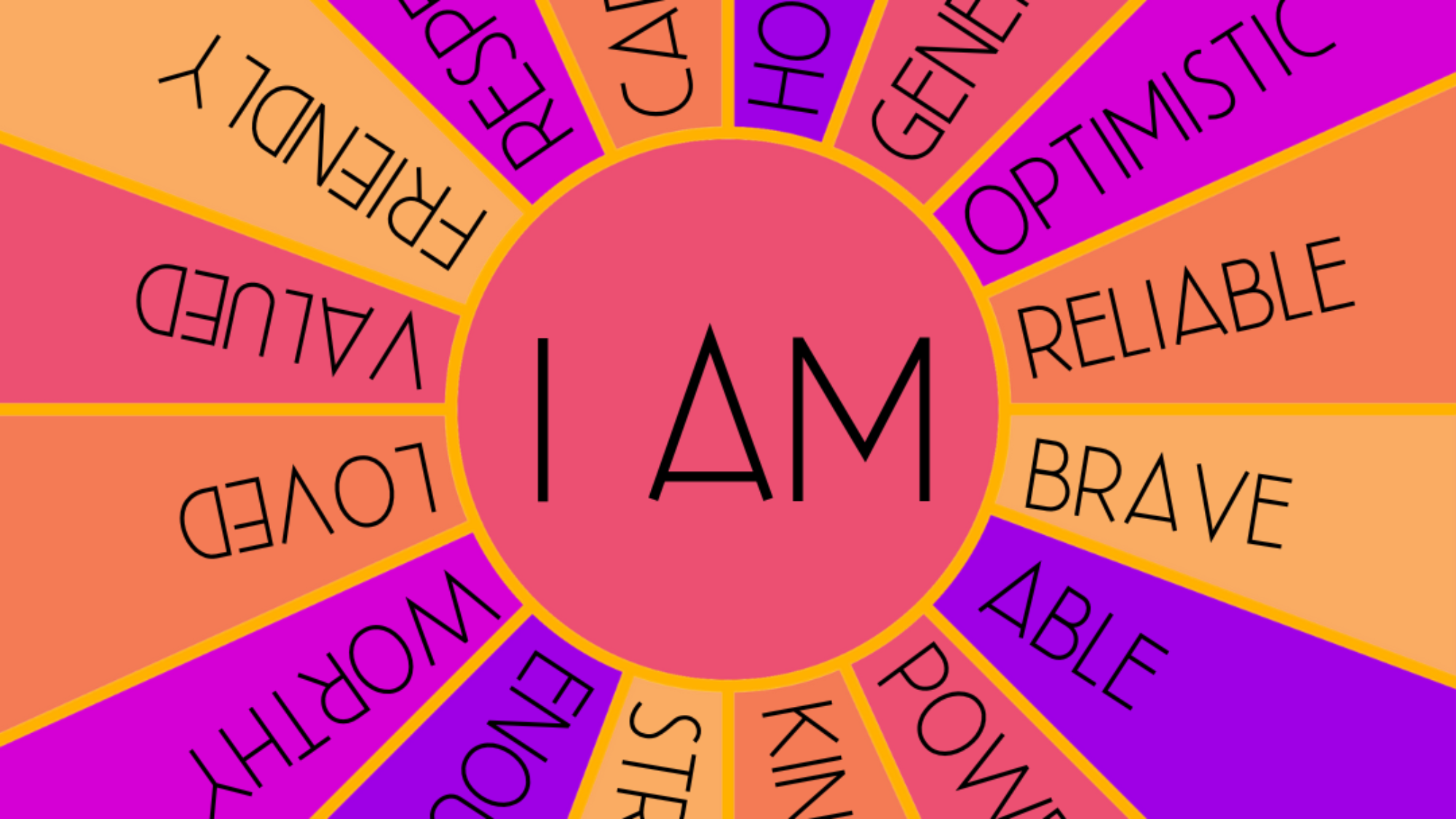
I am in awe of my body and how it looks after me.
I understand that my body is responsible for incredible processes and should be respected.
I ensure I look after my mental well-being.
I remind myself of how important I am to the world.
I tell myself I deserve to be happy and celebrate my life and everyone in it.
I think positively, creating moments of happiness and reminding myself what I am grateful for.
I exist in the present moment.
I look after my physical health.
I go for a run and can feel my body working.
I know I have to respect my body.
I eat healthy foods and gain pleasure from learning to cook.
I turn cooking into a social activity and encourage others to be healthy.
I am privileged to be part of a healthy community.
I take time to laugh and to see the joy in life.
I remind myself to look at the beauty and the intricacies of the world around me.
I find joy in every moment I spend in nature.
I am thankful I am part of this world.
Today, I appreciate the incredible journey my body is constantly making.
I look after my mental and physical well-being and celebrate my body and the fantastic miracles it performs.
Am I eating healthily and looking after my body?
Am I looking after my mental well-being?
Am I smiling and laughing and enjoying the world around me?
I hope these strategies are helpful to you.
Ensure you subscribe—it’s free. We advocate preventive, holistic care, particularly for women over 50.
In the meantime, Live Life on Purpose Because Your Wellness Matters!
Affiliate Link: Got a YouTube channel? To Get More Views and Subscribers, click this link to get your free TubeBuddy today. https://www.Tubebuddy.com/pricing?a=Wellness4Women
DISCLAIMER: Remember, your safety is our priority. If you’re new to psychological therapy, exercise, nutrition, or fitness or planning to start, it’s crucial to consult your physician. This blog/video is for educational purposes only and is not a substitute for professional medical advice or treatment. Your health and wellness matters, so please be safe.

Some of my clients ask me why should they bother with personal development. It seems like a lot of work for nothing!
Although it may often seem like hard work with no quick results. Personal development and joy are integral to leading a meaningful and satisfying life.
In my experience, personal development is a continuous journey of self-improvement.
Self-discovery and pursuing personal goals lead to a deeper sense of purpose and contentment.

We need to be proactive in our approach to our own development.
Personal development is the conscious pursuit of personal growth. It’s about expanding our minds to self-awareness.
Improving skills and cultivating virtues are crucial to your self-development.
To elevate your self-development, you must set and work towards goals that align with your values and aspirations.
This process is not limited to any single aspect of life but encompasses all areas, including emotional, intellectual, social, physical, and spiritual growth.
Personal development is about becoming the best version of yourself?—?as you see your best self.
It involves learning new skills, gaining knowledge, and improving emotional intelligence. This could mean anything from career advancement to enhancing interpersonal relationships, improving physical health, or cultivating a positive mindset.
Personal development is an effort on your part. It requires self-reflection, commitment, and the willingness to step out of one’s comfort zone.
Joy is living a fulfilled life. Joy is the feeling of satisfaction and contentment that comes from living in alignment with one’s values and achieving personal goals. It is the sense of completeness and happiness.
This arises when individuals feel they are on the right path and progressing toward their life’s purpose.
Joy is deeply personal and varies from person to person. For some, it might be found in a successful career, while for others, it might be in nurturing relationships, creative expression, or contributing to a cause greater than themselves.
It’s important to note that joy leads to fulfilment but is not a destination but a state of being.
It is achieved through the journey of personal development, as one continuously strives to live authentically and meaningfully.
Personal development and fulfilment are interconnected.
Pursuing personal development leads to fulfilment.
The feeling of fulfilment encourages further personal growth.
This cycle creates a positive feedback loop where the more one grows.
The more fulfilled you feel, the more fulfilled you feel, the more you seek further growth.
However, the journey is not always straightforward. It often involves overcoming obstacles, facing fears, and dealing with setbacks.
However, we learn and grow the most through these challenges. Each step, whether a success or a failure, contributes to your development and brings you closer to fulfilment.
If your interest has been caught so far, write down these next steps to help you develop your life into what you have always wanted.
1. Set Clear Goals: Define what you want to achieve in different areas of your life. Ensure these goals align with your values and passions.
2. Continuous Learning: Engage in lifelong learning, whether through formal education, reading, or new experiences. Stay curious and open-minded.
3. Self-Reflection: Regularly reflect on your experiences, emotions, and actions. This helps you better understand yourself and make informed decisions.
4. Build Resilience: Develop the ability to bounce back from setbacks. Resilience is key to maintaining momentum in your personal development journey.
5. Cultivate Positive Relationships: Surround yourself with supportive and like-minded individuals who inspire and motivate you.
6. Practice Gratitude: Regularly acknowledge and appreciate the positive aspects of your life. Gratitude fosters a positive mindset, which is crucial for fulfilment.
Personal development and fulfilment are lifelong endeavours that require intentionality, effort, and persistence.
Continue to work on yourself and align your actions with core values. You can lead a life of purpose and satisfaction and ultimately achieve a deep sense of fulfilment.
For More Free Articles like these, click here
Affiliate Link: Got a YouTube channel? To Get More Views and Subscribers, click this link to get your free TubeBuddy today. https://www.Tubebuddy.com/pricing?a=Wellness4Women
The best way to never gain traction in life is to never make a decision or to constantly change your mind. So, Stop Changing Your Mind!
Do you regularly change your plans? Do you keep changing your mind?
Regularly changing your plans is a great way to feel like you’re doing something without ever making any progress. It’s ingenious!
You know the type. The person decides he’s going to medical school. He then decides he’s going to medical school.
He buys a guitar. Then, he decides to become a professional blogger before the first set of strings are worn out. It’s insidious.
This person feels like he’s doing great things. He has big plans, and any of them could work. Yet, they’ll never be fruitful unless he can stick with the plan.
It’s no different than starting in Edinburgh and driving three hours toward Bristol.
Then three hours toward London, and then three hours toward Derby. Where do you end up?
Not a place you planned to go or somewhere you want to be!
It’s easier to maintain bigger decisions if you maintain your smaller decisions.
When you make plans to meet to meet your friends?—?don’t bow out!.
When you clean the garage, clean the entire garage.
Wash all the dishes, even the crusty frying pan. Avoid leaving it until morning.
When you feel bogged down, it’s because the present is uncomfortable.
Turn your attention to the ideal outcome.
The doubt and frustration you’re feeling will melt away.
You can only change your mind if your mind starts to wander.
Pay attention to today. Avoid looking ahead at all the work that lies in the future. Instead, manage each day as it comes.
Don’t expect to make perfect decisions?—?none of us do. Decisions only work out well if you stick with them. To make perfect decisions?—?none of us do. Decisions only work
Persistence is an invaluable quality. Make your decisions. More importantly, avoid changing your mind!
Desire is the key to motivation, but it’s your determination—your commitment to an unrelenting pursuit of your goal—that wins.
Stop changing your mind. Make a commitment to excellence. Then, you will be able to achieve the success you seek.
If you enjoyed this article, click HERE for more free blogs.
I hope these strategies are helpful to you.
Ensure you subscribe—it’s free. We advocate preventive, holistic care, particularly for women over 50.
In the meantime, Live Life on Purpose Because Your Wellness Matters!
Affiliate Link: Got a YouTube channel? To Get More Views and Subscribers, click this link to get your free TubeBuddy today. https://www.Tubebuddy.com/pricing?a=Wellness4Women
Poor decisions are the equal of starting a journey in the wrong direction. You might get there, but it will be a longer journey. You Make Decisions Poorly. This article may be of help.
Making decisions poorly is only sometimes a path to failure. Those who have never failed- have never made anything.
Consider how a few poor decisions can create significant challenges in your life. And decide and learn to do better.
I have fallen on this one. I have failed time and time again to trust my gut, and I have been in very sticky situations all because I failed to trust my heart.
When making big decisions, it’s often best to trust your heart. Be logical with the little choices, but go with your gut when making the big decisions.
No, you’re not going to leave a big decision to chance.
Flip a coin and then check your emotions.
Before you look at the coin, you’ll notice that part of you hopes for a particular result. That’s your answer!
If you don’t have a vision for your life, create one now. I have many blogs on my website to help you to find a mission and vision for yourself- here
Consider where you want to be.
Once you know where you’re going, it’s much easier to choose a path. Align your decisions with that aim.
List the pros and cons and make an intelligent decision based on the facts. Think about the short-term and long-term implications. When I made an effort to do this, This has worked for me to make the right decision.
Those who struggle sacrifice the future for a short-term benefit.
List the pros and cons and make an intelligent decision based on the facts. Think about the short-term and long-term implications.
let a wise friend choose for you. Most of us have that friend who lives a charmed life. If you trust them, ask for advice and follow it.
However, don’t try to avoid taking responsibility for your life. But a wise friend can be of great help if you are stuck.
Do you make poor decisions? Most of the challenges you’ve faced started with a poor decision.
I have made MANY poor decisions! But we should never give up, should we?
Be kind to yourself. Respect your decisions. Avoid procrastinating, but make wise decisions. Slowly, your success in life will grow. Remember- Making decisions poorly is only sometimes a path to failure. Those who have never failed- have never made anything.
If you enjoyed this article, Click HERE for more free blogs
I hope these strategies are helpful to you.
Ensure you subscribe—it’s free. We advocate preventive, holistic care, particularly for women over 50.
In the meantime, Live Life on Purpose Because Your Wellness Matters!
Affiliate Link: Got a YouTube channel? To Get More Views and Subscribers, click this link to get your free TubeBuddy today. https://www.Tubebuddy.com/pricing?a=Wellness4Women

I want you to know that we’re all on this journey together, and nothing in life is perfect.
Binge eating involves more than simply overeating. Binge eating is an eating related disorder associated with uncontrolled eating habits and challenging emotions. To bring a little ray of hope to sufferers and their families. In this post, we briefly look at the Facts about Binge-Eating and Its Treatment.
Binge-eating is a medical and psychological condition during which a person eats large amounts of food over short periods of time. Regardless of the signals their bodies send that they’re full, those who binge continue to consume amounts of food that surpass normal portions.
Binge-eating involves more than just eating a double portion of a favourite food. Those who binge might eat two cheeseburgers followed by a half gallon of ice cream and a box of cookies.
One who binge-eats engages in unhealthy thinking patterns, which drive her/him to over-eat.
They might feel powerless to arrest their aggressive eating behaviours.
Even though you might believe a person would feel too ashamed to binge-eat, the fact is that shame can actually emotionally fuel a binge-eating episode.
Experiencing uncomfortable feelings such as self-loathing and shame is a hallmark symptom of someone who’s dealing with binge eating.
Many people who struggle with binging also have distorted body images. They might believe they’re obese when actually they’re within usual weight standards or only mildly overweight.
On the other hand, a person who binge-eats could also weigh considerably more than the weight charts recommend for their height and age.
Many people use purging as a remedy. This condition is called Bulimia.
Although the condition does occur in both males and females.
We must recognise that people who binge can discover optimism and confidence to live successful lives in recovery.
There is a wide range of effective treatment regimens if you are looking for them. These will help you rise above the condition.
Here are some beneficial treatment avenues:
Depending on the community, you might have the opportunity to attend self-help groups to reduce or stop incidents of binge eating.
Self-Help groups such as Overeaters Anonymous can provide wonderful, understanding emotional support for people who struggle with binge eating.
Attending individual therapy sessions can be pretty helpful for those who require more professional aid.
Cognitive Therapy (CBT) is conducted by a trained therapist who works to confront the individual’s distorted body image, unhealthy thinking patterns, and feelings of shame.
The therapist aids the person in replacing troublesome thoughts with more realistic, healthy, and positive thoughts.
Another way a therapist motivates someone in recovery from this very real medical condition is to encourage the person who binge-eats to surround herself with understanding, supportive family and friends.
If the person who’s dealing with binging is a teen, family therapy, in addition to individual therapy, can be a lifesaver for family members who want to better understand what their teen is going through.
If you require more intensive treatment than individual therapy. Family therapy, and self-help group attendance, or intensive day treatment may be an option.
Some programs provide 2 to 6 hours of professional treatments a week. Such treatment typically takes place at eating disorder facilities that give a variety of treatment options that enable individuals on their paths to recovery.
Sometimes, the person struggling with binge eating would benefit from voluntarily entering an inpatient treatment facility for a 4-6 week stay.
This kind of therapy provides a 100% supportive physical and emotional environment around the clock to ensure binge-eating behaviours subside and healthy eating habits increase.
Outpatient follow-up treatment to provide much-needed support will be necessary as you transition back into your home environment.
Binge-eating is a medical/psychological condition that involves eating large amounts of food and experiencing emotional turmoil. People can overcome the challenging behaviours and feelings associated with binge eating to embrace healthy, fulfilling lives.
The key to recovery is recognising the condition – naming it.
Once we identify the problem, we can look for effective treatment while gaining the caring support of friends and family members. Our aim is to live a well-deserved, rewarding life.
I hope these strategies are helpful to you.
Ensure you subscribe- it’s free. We advocate preventive, holistic care.
In the meantime, Live Life on Purpose Because Your Wellness Matters!
Affiliate Link: Got a YouTube channel? To Get More Views and Subscribers, click this link to get your free TubeBuddy today. https://www.Tubebuddy.com/pricing?a=Wellness4Women
The pursuit of better mental and physical health involves adopting habits, practices, and mindsets that support holistic wellness.

Changing your mindset is about self-growth. Self-growth to a happier life is a deep and radical process that leads to self-improvement.
Our personal development radically changes our environment through our influence.
Not only do people around us benefit from our positive mindset, but it also improves our thoughts and health, thus promoting self-growth.
Self-growth and a happier life process are vital to your overall happiness. It gives you joy and makes others more aware of how they can live a more satisfying life.
Read on for more tips on how to Elevate your life for joy and contentment.
Personal growth comes from bettering your life. It involves experimenting with new things, trying new experiences, and acquiring new skills. Such development raises a sense of happiness by constantly challenging oneself to grow. In this way, you can get closer to what you truly love doing, giving you a stronger feeling of joy and peace.
In most cases, attempting to improve your life would mean adopting healthier habits and staying focused, which is the key to success in anything worth achieving.
Enjoy the journey from being good to being great. Your mindset is key to fulfilling your mental and physical well-being goals.
Improving one’s life leads to better relationships. The happier and more contented we are, the better our attitude toward others is.
This can enable us to build strong, familiar ties with our relatives, friends, and colleagues. At the same time, attempts at self-improvement could serve as encouragement or a source of inspiration for those around you.
Your positivity can create a supportive and optimistic environment for others.
Whenever you decide to Elevate your mindset for a better life, you usually have objectives in mind. You must set objectives that are quite clear in your mind. But sometimes, you may struggle to accomplish them. This is where a positive mindset comes in.
Focusing and putting more effort into your mindset can enhance your productivity in various aspects of life. Your mindset will show up at work, on personal projects, or in anything else someone may do.
Improve yourself and strive for excellence to position yourself on the topmost levels of success and open many opportunities for yourself.
Elevating your mindset is beneficial not only to yourself but also makes it possible for you to contribute effectively to society. Research has shown that true happiness comes from serving others unselfishly.
Life is filled with challenges and uncertainties. By working towards improving one’s mindset, one gains resilience and adaptability. This means learning from failures, being skilled at solving problems, and retaining positivism even when times are hard.
Learning from failures is the quality that matters most when dealing with life’s ups and downs. It allows you to emerge stronger than before.
Lastly, you need to improve your life so that your effect will not fade easily. Aim to help others and leave something worthwhile in your wake.
Your positivity and success can have powerful long-term consequences for others. History bears witness to people who have influenced society for good because of their optimism, which led to their success. They had a hold of their mindset and did not allow negativity to dominate their lives.
Improving your life is necessary and beneficial, bringing numerous benefits. It helps you grow, stay healthy, strengthen relationships, work better, and contribute positively to society.
By devoting yourself to Self-Growth, you can live a more fulfilling, influential, and joyful existence.
For More Free Articles Like This One, Click Here
I hope my Seven Tips to a Happier Life. is helpful to you.
Ensure you subscribe- it’s free.
In the meantime,
Live Life on Purpose Because Your Wellness Matters!
Affiliate Link: Got a YouTube channel? To Get More Views and Subscribers, click this link to get your free TubeBuddy today. https://www.Tubebuddy.com/pricing?a=Wellness4Women
Are you going through a significant change in your life? Have you ever felt completely confused about what you should be doing? It’s even more confusing when you’re beyond middle age and going through dramatic life changes. Tips on the Power of Change: How to Thrive Through Life’s Transitions is the answer!
It can be disconcerting, upsetting and undoubtedly confusing. But how do we gather our thoughts and recognise our purposes to move us in the right direction?
I’m going through a similar transition, moving from a career of more than 40 years into something generally unknown territory.
It’s scary and very confusing. But I have found a sure and steady way forward that may help you if you find yourself in a similar position.
Life transitions can be both exciting and challenging, so here are Seven Tips on how to Embrace Change and Growth in Your Life.
It is well worth taking some time to think about what you want to achieve in the next phase of your life. You haven’t got time to waste, so seriously reflect on your values, passions, and long-term aspirations.
Determine where you are heading and why. Once you have a sense of where you want to go, set specific, achievable goals to work towards. Break them down into smaller steps to make them more manageable – have fun with it!
Avoid circumstances dictating to you, so put yourself in the driver’s seat by developing a plan of action to reach your goals. Consider what resources, skills, or support you might need along the way.
Being flexible reduces stress. Transitions can bring unexpected changes and challenges. Be prepared to adapt your plans as needed and stay open to new opportunities.
It’s easy to forget to look after yourself during transition periods, which can be stressful. Even more reason to so prioritise self-care. Ensure you’re getting enough rest, exercise, and healthy food, and find activities that help you relax and recharge.
If possible, don’t hesitate to reach out to friends, family, mentors, or support groups for guidance and encouragement. If possible, because many of my clients do not share the same values of holistic wellness as their family or friends, it can be a very lonely road indeed.
So, instead, listen to positive podcasts and videos and read uplifting books that will nurture you and motivate you towards your goals. Learning from others who have gone through similar transitions can provide valuable insight and perspective.
but purpose to maintain a positive outlook, even when things get tough. Focus on your progress and accomplishments, no matter how small, and celebrate your successes along the way.
I need to remind myself every now and then that transitions are a natural part of life, and while they can be challenging, they can be confusing.
However, at the same time, they also offer opportunities for growth and self-discovery. I hope these Seven Tips to How to Embrace Change and Growth in Your Life were helpful to you.
Trust in yourself and your decision-making abilities, and believe that you have what it takes to successfully navigate this period of change.
I’ll keep you posted on my journey, and let me know how you are doing. I wish you all the best of British luck as you navigate life’s transitions.
#PlanForSuccess.
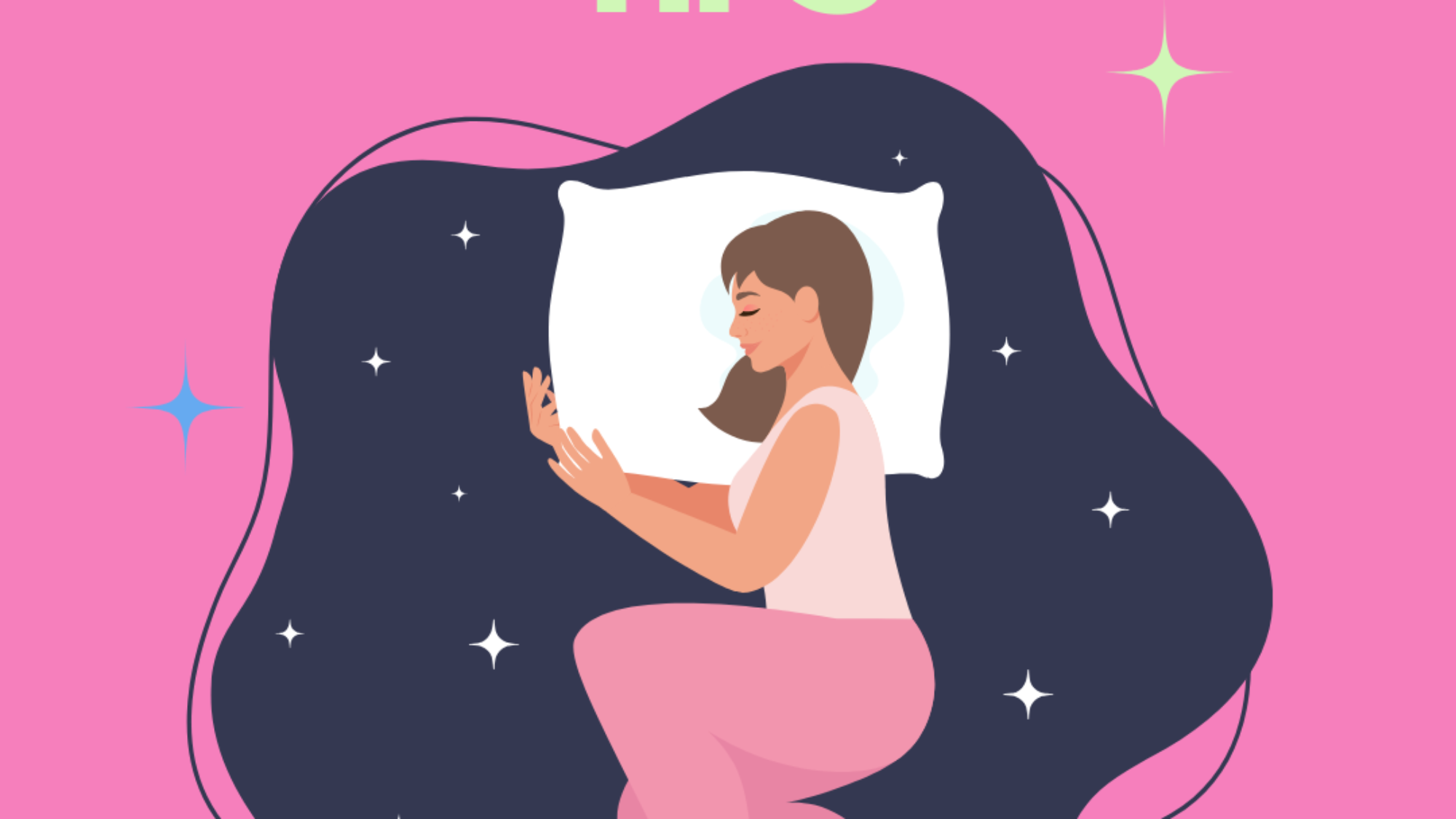
Could You Be Sleeping Too Much? When someone says they have sleep issues, you may assume they’re getting less than the recommended 7 to 9 hours. But you might be surprised to hear that the other extreme can be harmful, too.
Are you sleeping too much? In this blog, we explore whether you are sleeping too much and what you can do about it.
Oversleeping is a recognised sleep disorder called hypersomnia. It can have many causes and can affect your mental and physical health.
Some fluctuations are natural; even so, it’s worth investigating when you’re sleeping.
If you regularly sleep for over 9 hours and don’t feel refreshed, learn more about oversleeping and how to avoid it.
Ironically, many causes and consequences of oversleeping are similar to sleep deprivation. Recognising the symptoms is the first step toward making positive changes.
Talk therapy and medication may boost your mood and strengthen your coping strategies.

Focusing on the quality of your sleep can help you overcome hypersomnia, as well as insomnia.
Many experts believe how well you sleep is at least as important as how long you sleep.
For most adults, getting 7 to 9 hours of high-quality sleep each night is the winning formula for maintaining your health and productivity. If you need more help with sleeping too much or too little, talk with your doctor about your concerns.
To Learn More About Your Wellness, visit The Life Elevation Project, click HERE
Affiliate Link: Got a YouTube channel? To Get More Views and Subscribers, click this link to get your free TubeBuddy today. https://www.Tubebuddy.com/pricing?a=Wellness4Women
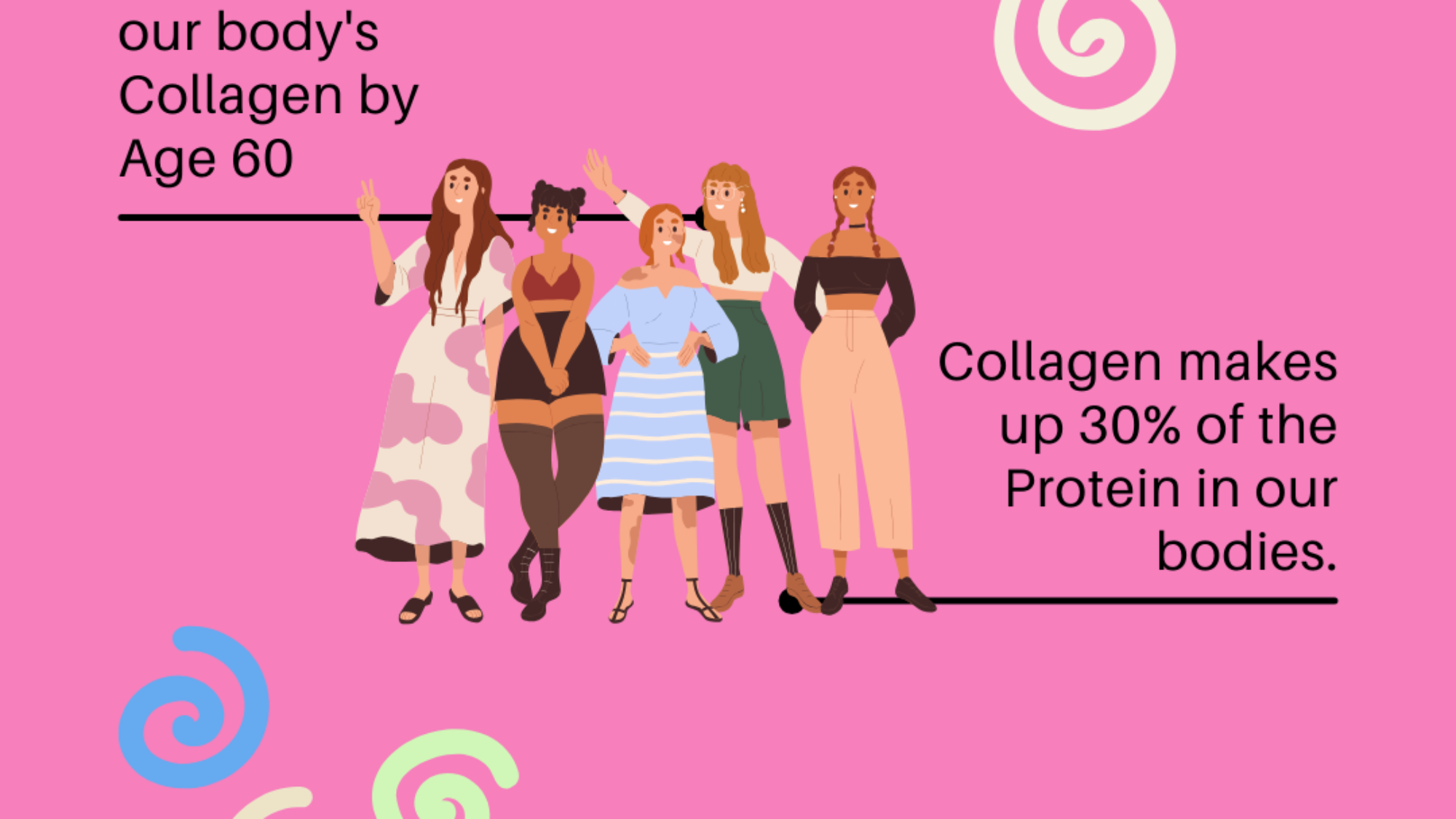
We all need collagen in our diet. Collagen is a term you might have heard used by beauty companies. Maybe you have seen it written on a bottle of wellness supplements. Collagen is one of the better-known substances in the human body. And it’s one of the most abundant proteins you have. For over 20 years, I have used collagen topically and in supplement form.
Collagen isn’t just the substance that determines whether your skin will continue looking youthful and fresh for as long as possible – it’s also the main component of the connective tissues making up various parts of your body.
Without collagen, you wouldn’t have your ligaments, skin, muscles, and tendons.
Here’s your guide to collagen and why it’s so important for good health.
Collagen is your body’s most abundant protein, responsible for forming critical tissues in your body and performing various functions (like strengthening your bones).
Scientists know of a total of 28 types of collagen. The most common four are:
The collagen naturally produced in your body begins to break down. And it becomes harder for your body to produce more. You can improve your collagen levels by getting more of the substance’s collagen needs to form into your diet.
For your body to produce collagen, you need a host of essential nutrients, including…
As you get older, your natural levels of collagen begin to drop. This is when you may consider taking collagen supplements.
Collagen is an essential component of many critical parts of your body, and it is essential to maintaining good health. Taking supplements can help you avoid a range of issues.
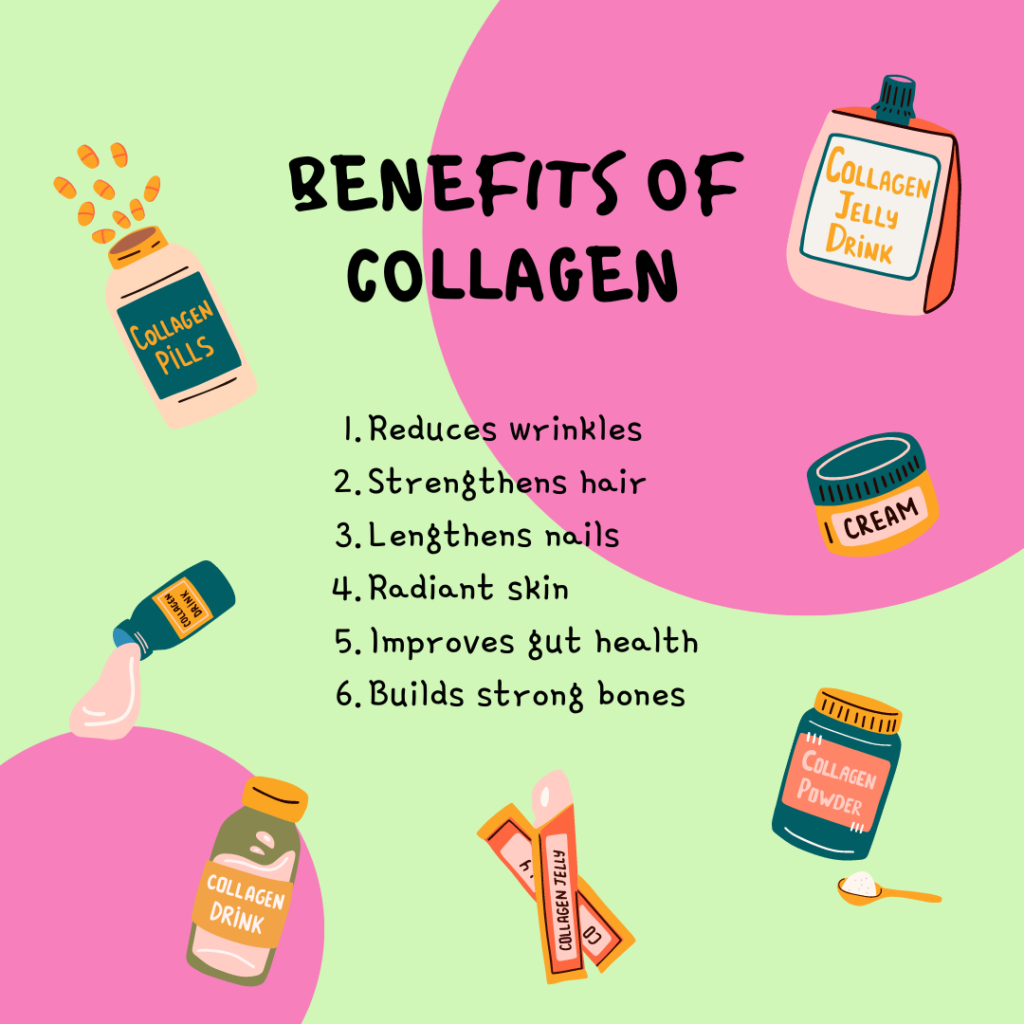
Some of the benefits of supplementation with collagen include:
Improved Skin Health
Collagen is an essential part of healthy skin, so it makes sense that collagen supplementation would improve skin health.
Studies show that collagen peptides and supplements can help slow the skin’s ageing and even improve its elasticity. Collagen can also help keep your body hydrated and may even stimulate the skin to produce collagen on its own.
Stronger Bones
As we age, our bones naturally become more brittle and less dense. They break more quickly and take a lot longer to heal.
Studies show a daily collagen supplement could be a valuable tool in making your bones denser and slowing some dangerous parts of the ageing process. Collagen supplements could also be helpful in assisting with the development of new bones.
Thicker Hair
Aside from making your skin healthier, collagen supplements could also help improve hair health. Women and men often experience hair thinning and even baldness as they age.
However, collagen may help to improve the health of the scalp and boost the strength of your hair. This could mean you’re less likely to experience hair loss.
Reduced Joint Pain
Collagen forms an important part of the substances between your joints (cartilage). As you age and your collagen levels decrease, your risk of degenerative diseases like osteoarthritis increases.
Some studies indicate collagen supplements may be useful for helping to minimise joint pain.
Researchers also believe collagen supplements may also accumulate in cartilage and stimulate the production of new collagen.
Healthier Nails
Investing in collagen supplements could be a good idea if your nails tend to break easily. Collagen helps form the substances that make up your nails and hair, so taking supplements could help create stronger nails.
Improved Muscle Mass
Collagen, the most abundant protein in the body, is crucial for building skeletal muscle. Some studies suggest collagen supplements may be effective in boosting muscle mass in people with muscle loss issues. This important mineral can help promote the synthesis of various other muscle proteins and stimulate muscle growth.
Better Heart Health
Researchers believe collagen supplements may be valuable for reducing the risk of heart conditions. This is because collagen helps to provide structure to your arteries.
Without enough collagen, arteries may become less flexible, which could lead to a higher risk of atherosclerosis.
There’s no arguing with the fact that collagen is one of the most important substances in your body. If you’re concerned that you don’t have enough of this essential protein as you’re getting older. Try taking a collagen supplement because it could be a helpful strategy as you age.
Just remember to talk to your doctor before you start supplementation.
To Learn More About Your Wellness, visit The Life Elevation Project, click HERE
Affiliate Link: Got a YouTube channel? To Get More Views and Subscribers, click this link to get your free TubeBuddy today. https://www.Tubebuddy.com/pricing?a=Wellness4Women
You’ve probably heard you need more calcium to have strong bones and a healthy body. However, are you aware of the risks of taking too much calcium? Did you know that calcium can be Dangerous?
A Big Warning – You can overdose on this mineral, and there are awful side effects.
I was taking calcium supplements until I learnt what I am sharing with you now.
It’s true that your body needs calcium. But it’s important to take the right amount. There is no doubt that this is an important mineral. But let’s be aware that too much calcium can Be dangerous and cause unwanted problems.
To understand why too much calcium can be dangerous, you need to be aware of how much calcium you need to take every day. The recommendations vary based on your age, gender, and health history.
In general, children need 1,000 to 1,300 mg a day.
Adults need 1,000 mg a day.
However, women over the age of 70 need 1,200 mg a day.
One of the most common side effects of taking too much calcium is constipation.
This usually occurs if you take too many supplements that have high levels of calcium. It’s rare for you to get constipation from calcium in foods, but it can happen if you overeat.
Passing a kidney stone is worse than giving birth- so I have been told. So, I don’t have to find out for myself, so understanding the risks is important. Be aware that you can have a higher risk of kidney stones from taking too much calcium.
Several studies have found that those who take excessive amounts of mineral supplements are more likely to develop kidney stones. The minerals build up within the kidneys, forming small stones.
By overdosing on calcium, you may notice several health issues at the same time.
Some of the most common issues are nausea, weakness and the loss of appetite. You may also experience excessive thirst. You may also have vomiting and feel unwell for a long period.
High levels of calcium can affect iron absorption in your body.
It’s also possible to have a more severe reaction from overdosing on calcium. An irregular heartbeat is a severe reaction to calcium overdose.
You may also have mental confusion and high blood pressure. One of the biggest risks is a coma – Scary!
Most experts agree that prevention is easier than cure. However, solving the issues that arise from taking too much calcium can be problematic.
Be careful with the supplements you take and how many vitamins you take at the same time. If you combine multiple pills and minerals, then you can easily overdose on calcium.
It’s important to discuss your calcium levels with a doctor. They can recommend diet changes and supplements that are safe.
It may be tempting to reach for a bottle of calcium supplements instead of working on your diet. However, you’re putting yourself at risk and may not be helping your body.
Nutritionists recommend that you focus on the food that you eat rather than trying to supplement with pills. The good news is that calcium is readily available in many foods.
You can find it in dairy products, but there are other options if you’re lactose intolerant or vegan.
Calcium is in kale and broccoli. Many dark leafy vegetables have high levels of this mineral. It’s also in salmon and sardines.
You can get more calcium by eating fortified foods. Cereals, breakfast bars, granola, and many others are good sources of calcium. Also, many kinds of nuts contain calcium.
Although too much calcium can be dangerous, it is considered an essential mineral for health. Calcium has multiple health benefits. Although your body requires it to be healthy, it’s essential to ensure you’re not taking too much.
In most cases, you’ll get better results by eating calcium-rich foods. Instead of taking supplements, but discuss your particular needs with your doctor.
Affiliate Link: Got a YouTube channel? To Get More Views and Subscribers, click this link to get your free TubeBuddy today. https://www.Tubebuddy.com/pricing?a=Wellness4Women
We all want to live happily. Today, we look at Why Self-Reflection Improves Your Life.
Self-reflection is part of the process of developing a happy life. Self-reflection can help us make an effort to live better lives.
Nobody is perfect, and if we were all the same, the world would be boring place. This is why self-reflection is so critical.
Self-reflection involves examining one’s wants, dreams, goals, attitudes, and behaviors and comparing them to how one is actually living.
When you self-reflect, you can look at:
Let’s take a quick look at why self-reflection is important and how it can help you to live a happy, stable, and positive life.
If you take time to look at your hopes, dreams, and goals. Then, you can establish just how satisfied you are with your life.
When self-reflecting, it may suddenly occur to you that you don’t enjoy your job anymore and you want to pursue a new career.
Alternatively, self-reflection could encourage you to pack up and move, go on holiday, get a new hobby, or even pick up the phone and reconnect with a friend.
Only when you spend time thinking about your hopes, dreams, and goals will you get insight into what you want. From there, you can take steps to make positive changes in your life.
Often, it’s only when someone points out our behaviors that we can take a moment to step back and realise the effect our words and actions have on people.
Self-reflection is all about making positive change, looking at the past, and considering how to set up a positive future.
Consider whether or not there is anyone in your life you could treat with more respect. Are you a generous person? Do you make an effort to connect with friends? Do you exhibit selfless behavior? Do you offer support to family or a friend in need?
Take some time to think about how you come across and whether there is room to become an even better friend.
Self-reflection doesn’t always have to involve making dramatic changes.
If you are feeling sad and need a bit of a boost, it might be worth thinking about or some of the milestones you’ve crossed and goals you’ve managed to achieve.
By reflecting on your achievements and your journey so far, you can appreciate how far you’ve come and where you’re headed.
There is absolutely nothing wrong with giving yourself a boost now and again. Remind yourself of your strength, dedication, resilience, and self-worth, and put yourself in a positive mood!
Learning from the past and understanding the impact of our mistakes is hugely important.
I regularly attend the sacrament of confession. This gives me the space, atmosphere and opportunity to self-reflect and ask for forgiveness.
By considering events from the past, you can process how much you have learned and establish how to make positive choices in the future. Knowledge and experience are powerful tools.
Sometimes, in life, we need to be kind to ourselves. We need to remind ourselves of the journey we have been on. It’s also healthy to consider our behaviour as family members, friends, and as people in general.
Once we start to reflect upon our lifestyle and behaviors’, we can take positive steps toward a happier future and constantly adapt and evolve.
I hope that Why Self-Reflection Improves Your Life has helped you and that you feel supported.
To Learn More About The Life Elevation Project, click HERE
Affiliate Link: Got a YouTube channel? To Get More Views and Subscribers, click this link to get your free TubeBuddy today. https://www.Tubebuddy.com/pricing?a=Wellness4Women
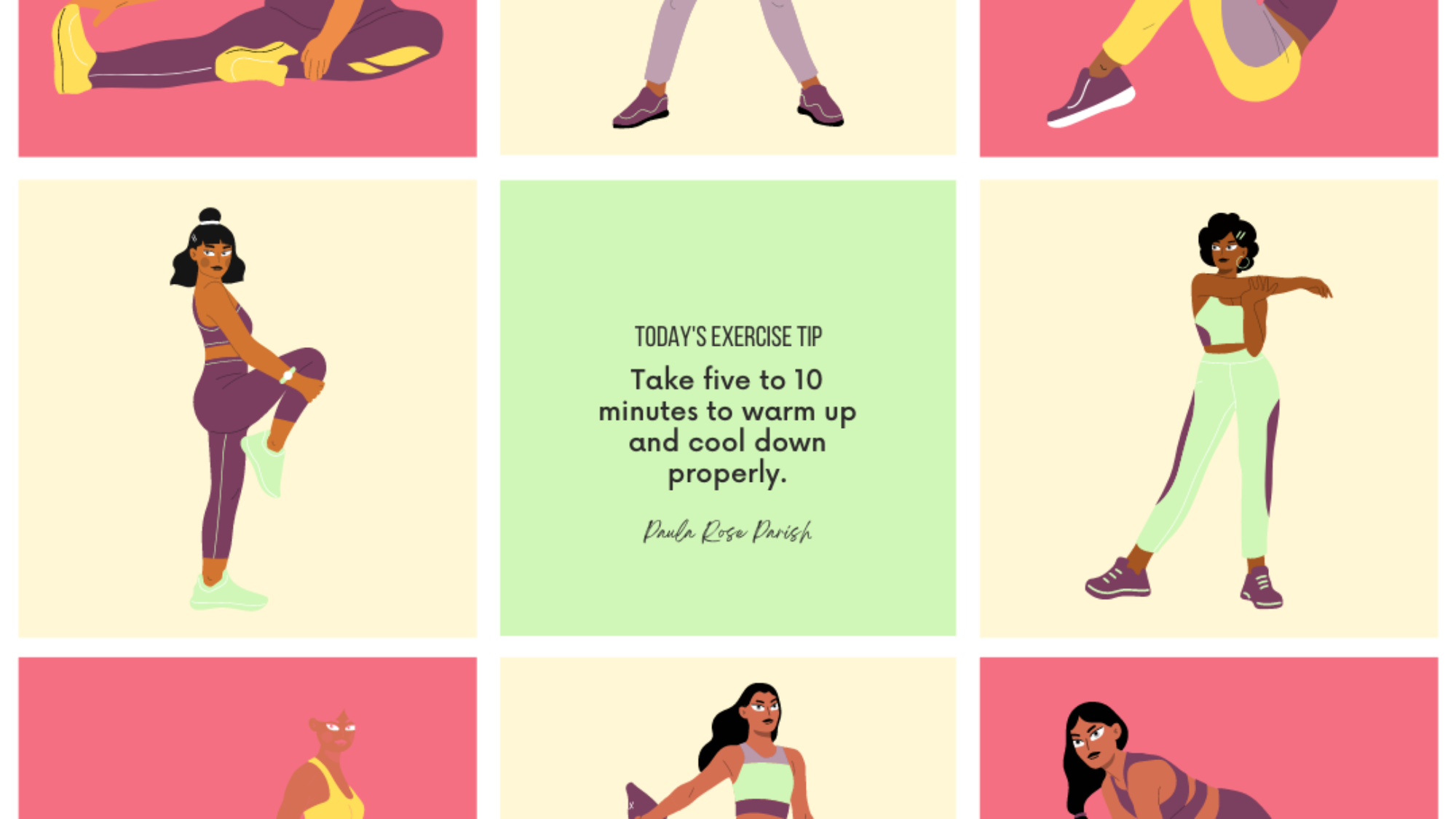
Before I got started on my body improvement workout, I needed to take into consideration my levels of fitness and health conditions, which may have preceded it.
It is always good to consult a healthcare professional before engaging in any new exercise program.
That said, here is a general workout routine for Body improvement.
The main focus is on strength, flexibility, and cardiovascular health:
Do 1–2 sets of 10–15 repetitions for each exercise. Use light weights or resistance bands. Adjust the intensity based on the client’s ability.
Bodyweight Squats :
Sit on the edge of a sturdy chair with your hands beside your hips.
Water exercises are more accessible on joints but add resistance for strengthening.
Seated Toe Touches – 5 minutes
Add some light yoga movements that can all be done using a chair for support.
I hope you will try My Body Improvement Workout. If you do, let me know.
Here is a link to Pahla B YouTube Videos for over 50s that I use daily to guide me through exercise.
To Learn More About Fitness and The Life Elevation Project, click HERE
Affiliate Link: Got a YouTube channel? To Get More Views and Subscribers, click this link to get your free TubeBuddy today. https://www.Tubebuddy.com/pricing?a=Wellness4Women
Where to get started with decluttering can be daunting. I often get overwhelmed when I am confronted with my stuff all over the place. So, let’s talk about How to Declutter Your Home!
I know I need to clean up because it affects my mental health in many ways. When my home is messy, I feel I have a cluttered mind, and focusing on a task seems impossible.
I created How to Declutter Your Home because you may have similar experiences with how clutter makes you feel. So, let’s dive in and get started with decluttering!
We are prone to consumption, and this means we tend to accumulate many items over the course of our lifetime. There will come a time when you need to declutter. When you have a house full of stuff, however, it can be hard to know where to start. Use the tips below to help you get started?.
You probably already know which room is bothering you the most. This is where. When you see how great it looks, you will be inspired to continue with the rest of the house.
When deciding which room to start with, visualise what you want the space to look like.
?What are you hoping for the end result to be?
?What will you use the room for?
?What does your dream room look like? Write it clearly down.
You can use pictures or text when mapping out how you want the room to look.
Take some time with this. When you have a clear goal in mind, you are more likely to have the motivation to continue.
It can get overwhelming when you think about all the things that are in drawers and closets. Start with desktops, floor space, and the tops of dressers and tables.
Note: Clearing these areas will help you to feel like you’re making real progress, and can be a motivator when you are feeling flat or stressed.
Furniture can also contribute to how cluttered a room looks. Look at every piece in the room and make sure they serve a function, and are in the right place.
Reorganizing your space can totally transform a room, and this can be a great inspiration to keep going!
It’s important to be physically prepared for your decluttering with bags and boxes on hand. You also need to prepare mentally.
Note: Understand that this process will take time and that you will not transform your home overnight.
Decluttering can be overwhelming, so break your time up into small, bite-sized chunks. Most experts recommend 15 minutes at a time.
Set a timer, get to work, and take a break when the buzzer goes off.
One of the most important ways to succeed in decluttering is to ensure that every item in your home has its own designated space.
Note: Remember the mantra: a place for everything, and everything in its place.
It can be hard to let go of things that have meaning. One option is to take photographs of sentimental items.
Remember, the person who gave it to you would not want you to be weighed down and obligated to keep it.
Decluttering can feel like a monumental task, but as long as you keep going, stay strong, and complete each task, there will be plenty of benefits. You can enjoy reduced stress, more space to enjoy and, in the majority of cases, a reduction in housework!
By breaking down your decluttering tasks into small chunks, you increase your chances of success. Your will learn very quickly how to declutter your home.
All you have to do is get started!
Use this how to declutter your home guide to learn how you will like and share with others as we improve our mental health by decluttering our spaces!?
To Learn More About The Life Elevation Project, click HERE
Affiliate Link: Got a YouTube channel? To Get More Views and Subscribers, click this link to get your free TubeBuddy today. https://www.Tubebuddy.com/pricing?a=Wellness4Women

It involves more than just maintaining a cheerful disposition. It is also personal development. It’s about developing the ability to learn from failures and moving forward despite setbacks.
To create your best life, you need a positive mindset. A positive mindset is an attitude that embraces optimism. Optimism gives rise to resilience and a proactive approach to life’s challenges.
One of the core components of a positive mindset is the ability to view failures as valuable learning opportunities.
Maintaining a cheerful disposition is also a personal development. It helps us Embrace Failures as Learning Opportunities. A positive mindset is about developing the ability to learn from failures. Failure motivates us to move forward to success.
Rather than being discouraged by setbacks, a positive mindset considers them as stepping stones toward success.
This perspective empowers us to embrace unexpected challenges and view them as opportunities for growth and development.

Resilience is the ability to bounce back from adversity. It is a strength of character that maintains focus on long-term goals.
A positive mindset is essential for building resilience. It helps individuals maintain a hopeful outlook even in the face of difficulties.
A positive mindset enables us to see beyond the immediate setbacks when we encounter obstacles and helps us envision a brighter future.
Research has shown that resilient individuals are more likely to succeed. This is because they possess the mental fortitude to keep going despite setbacks.
Resilient individuals are less likely to be discouraged by failures and more likely to adapt their strategies to overcome challenges.
Cultivating a positive mindset can help us develop resilience, which enables us to navigate life’s ups and downs with grace and determination.
1. Practice gratitude. Regularly acknowledging and appreciating the positive aspects of life can help build resilience. Gratitude shifts focus from what’s going wrong to what’s going right, fostering a more positive outlook.
2. Set Realistic Goals. Break down larger goals into smaller, achievable steps. Celebrating small victories along the way boosts motivation and enhances resilience.
3. Surround Yourself with Positivity. Surrounding yourself with supportive and positive individuals can strengthen your resilience. Positive relationships provide encouragement and motivation during challenging times.
Fostering an Open Mindset can be learned and developed. A positive mindset encourages openness to new ideas and perspectives. When we approach challenges optimistically, we are more likely to explore innovative solutions.
When we think outside the box, our mindset fosters creativity. This allows us to see possibilities where others might see limitations. Creativity is crucial to success in various fields, from entrepreneurship to the arts.
A positive mindset embraces experimentation and takes calculated risks, which can lead to groundbreaking discoveries and achievements.
Fear of failure is a common barrier to creativity and innovation. It has held me back from achieving success in the past.
A positive mindset helps overcome this fear by reframing failure as a natural part of the learning process.
Instead of being paralysed by the fear of making mistakes, we must be willing to try new approaches and learn from the outcomes.
This mindset shift allows us to approach problem-solving with confidence and curiosity. If we look at challenges as opportunities to learn and grow. We can develop innovative solutions that propel us toward the success we want.

Practice Mindfulness. I can not overstate how integral mindfulness can be to success. I believe in it so much that I have often written about mindfulness.
Mindfulness exercises, such as meditation and deep breathing, can help calm the mind. It can enhance creativity by promoting clarity and focus.
Brainstorming is a mindfulness practice. Regular brainstorming sessions can stimulate your creative thinking.
Encourage yourself today to brainstorm and generate as many ideas as possible. Don’t judge yourself. Just allow your mind to explore different possibilities.
Embracing failure is a positive practice. Yes, you heard right! Embrace the idea that failure is a stepping stone to success. The only thing to fear- is fear itself!
When faced with setbacks, stay calm and analyse what went wrong. Then, you will learn from it and use the experience to improve future endeavours.
Studies reveal that maintaining a positive mindset has a profound effect on mental health. It also affects emotional well-being. This is shown when individuals are less likely to suffer from anxiety and depression.
Positive thinking also promotes the release of endorphins, the “feel-good” hormones that contribute to improved mood and reduced stress.
Focusing on the positive aspects of life can help us develop a greater sense of self-worth and confidence—and that’s what we all want to aim for!
This self-assuredness enhances our holistic well-being. Which contributes to a more fulfilling and joyful life.
Gratitude is a powerful practice that can significantly improve life satisfaction. When we cultivate gratitude, we shift our attention from what we lack to what we have.
A grateful mindset fosters contentment and appreciation, which enable us to be present in the moment and lead to increased happiness and satisfaction.
A positive mindset encourages us to give thanks and celebrate small victories. It helps us to cherish meaningful connections in our lives.
By practising gratitude regularly, we can develop a deeper sense of contentment and joy.
When giving thanks, practice positive affirmations. Use affirmations to reinforce a positive mindset. Repeat affirmations daily to boost self-esteem and cultivate a positive outlook.
Science has shown that regular physical activity releases endorphins and promotes mental well-being. Exercise is a natural way to boost mood and enhance overall health.
Reduce exposure to negative influences, such as adverse media or toxic relationships. Surround yourself with positivity and focus on uplifting experiences.
In conclusion, a positive mindset is a powerful tool. Used correctly, it achieves success and happiness. It enhances resilience, boosts creativity, and improves overall well-being.
We can develop a positive mindset that propels us toward our goals and enriches our lives. By embracing challenges, fostering creativity, and cultivating gratitude,
As we navigate the complexities of our modern world, let us remember the importance of maintaining a positive mindset.
Remember,
We can unlock our full potential.
We can overcome obstacles.
We can create a life filled with joy, fulfilment, and success!
For More about Creating Your Best Life: The Link Between a Positive Mindset, Success, and Happiness, Click Here

share how I Learnt to Live Mindfully. I found that Mindfulness worked well if I made it a lifestyle. I made mindfulness a well-habit.
Here are tips that will help you identify your goals and How to Set those Goals

There’s confusion about mindfulness, but what is it??

I will discuss how mindfulness living helps with being compassionate toward oneself…

While menopause is a natural process and cannot be avoided entirely, certain foods can help alleviate its symptoms…
Sign up with your Name & Email & Don’t Miss the Upcoming Latest Updates.