Without a healthy heart, we cannot prevent disease. In my wellness practice, I encounter women who do not know how to care for their hearts to prevent disease. In this article, I share my Essential Guide To Heart Health. Here, I share a few simple facts that will inform you about your most precious organ.
The heart is an important part of the circulatory system, and it’s responsible for pumping blood and oxygen throughout the entire body.
Take a moment to get in tune with your heart by placing two fingers against your neck just below your jawline. You can also try placing two fingers on your wrist, just below the base of the thumb. That bump bump feeling is your heart in action. It’s working hard to keep you alive and supply blood and oxygen to all the necessary areas in the body.
You can tell a lot from a heartbeat, including:
- The beating of a human heart can indicate if a person is healthy or not.
- It can also tell if you’ve recently exercised, experienced something alarming, or spotted a romantic interest across the room.
- The heart can even be used to detect lies, because the heart begins to beat faster when a person feels stressed or uncomfortable.
The heart is an incredible organ that works hard every day. The adult heart beats between 86,000 and 144,000 times each day.** Children tend to have a faster pulse than adults which means their hearts tend to beat between 100,000 and 158,000 times a day?—?amazing!
A healthy heart is exceedingly beneficial to the human body, but an unhealthy heart can cause numerous health issues. In fact, in most western countries, heart disease is the leading cause of death for men, women, and people of most racial and ethnic groups in the United States.
Some people are born with heart conditions, while others develop them over time. For some, heart issues are an unavoidable reality. For many others, the risk of heart disease can be significantly lowered with a healthy lifestyle.
A Closer Look at the Human Heart
The human heart serves an essential function in the body, but what is it and how does it work? What is unique about the heart and why is it so important to maintain a healthy heart? This section will give you a better understanding of the marvel that is the human heart.
What is the Heart?
The human heart is a muscular organ in the circulatory system that supplies oxygen and nutrients (in the blood) to tissues in the body. It is also responsible for removing carbon dioxides and other waste as it circulates in and out of the heart.
The heart rests at the centre of the body, slightly left of the centre. The adult human heart weighs between 8 and 12 ounces. Men’s hearts tend to weigh a bit more than women’s.
Parts of the Heart
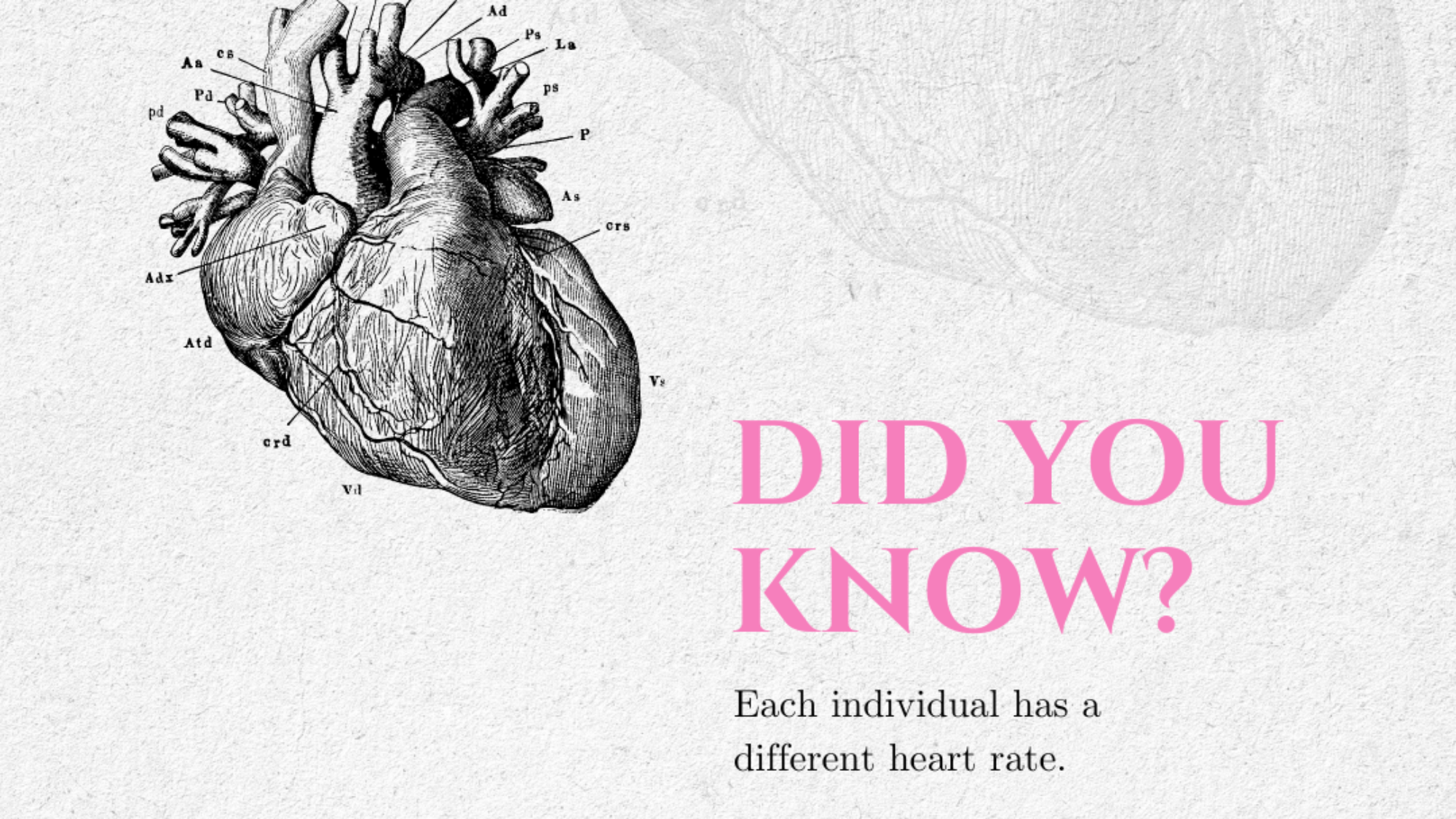
The human heart has four chambers:
- Right ventricle
- Left ventricle
- Right atrium
- Left atrium
The bottom chambers: The right and left ventricles are responsible for pumping blood out of the heart. The right ventricle receives blood from the right atrium and then sends it to the lungs, which can be filled with oxygen. The left ventricle, the strongest chamber in the heart, pumps the oxygen-rich blood back into the body.
The top chambers: The right and left atrium are responsible for receiving blood entering the heart. The right atrium receives blood from the veins and then sends it on to the right ventricle. The left atrium receives oxygenated blood from the lungs and passes it on to the left ventricle.
What is Blood Pressure?
Blood pressure refers to the force used to pump blood and oxygen throughout the body. The heart creates this force.
When a doctor or nurse measures blood pressure, they’re checking to see how much force is used to circulate the blood through the body. Naturally, if your heart is beating faster your blood pressure may also rise, but there are other factors that lead to high blood pressure like smoking, stress, or lack of physical activity.
An unusually high or low blood pressure may indicate a problem in the circulatory system.
Fun Facts About the Heart
- The average heart is the size of an adult fist.
- The heart pumps around 2,000 gallons of blood each day.
- The heart can continue to beat even when it’s disconnected from the body.
- There are around 60,000 miles worth of blood vessels in the body.
- Women have slightly faster heart rates than men on average.
- Every cell in the human body gets blood from the heart except the cornea.
- Heart cancer is extremely rare?—?heart cells stop dividing early in life.
- New borns have the fastest heart rate, and it can be as high as 300 beats per minute.
- Despite popular opinion, your heart doesn’t stop beating when you sneeze.
Common Heart Conditions
There are many types of heart disease and heart conditions, but here we will be discussing some of the most common ones.
Here’s a quick look at common heart conditions:
- Coronary heart disease
- Angina
- Heart attack
- Heart failure
- Arrhythmia
- Valve disease
- High blood pressure
- Congenital heart defects
- Inherited heart conditions
- Sudden cardiac arrest
- High cholesterol
- Heart murmur
How to Care For Your Heart
Some of the things mentioned in the section above are products of genetics or circumstances, meaning there are outside controlling factors that couldn’t have been prevented. For many other heart conditions, lifestyle plays a large part in keeping the heart healthy.
Though lifestyle changes can’t 100% protect you from developing a heart condition, experts believe that they can significantly reduce the risk.
Here are some of the significant ways that doctors, scientists, and heart specialists recommend keeping the heart healthy- follow these important steps:
- Start a heart-healthy diet.
- Maintain a healthy weight.
- Lower your cholesterol.
- Maintain blood pressure within a healthy range.
- Get more exercise.
- Avoid using tobacco.
- Limit alcohol consumption.
- Lower stress.
- Use preventative care and take prescribed medicine.
Virtual Hugs, and Remember to Live Life on Purpose because Your Wellness Matters!
Hello, I’m Paula; I can help you enhance and maintain your health and well-being for a healthier and happier You.
I advocate Holistic living, which is not just about the practice of therapeutic interventions; it’s also about living life authentically—it’s about living Your Best Life!
In my blogs and videos, I share how to approach daily living ‘holistically’ for the healing, health, and wellness of Mind, Body, and Personal Development to be a healthier and happier You.
Affiliate Link: Got a YouTube channel? To Get More Views and Subscribers, click this link to get your free Tube Buddy today. https://www.Tubebuddy.com/pricing?a=Wellness4Women
As a wellness consultant and coach, I am committed to science-based holistic health and prioritise your well-being. I offer free initial consultations for those seeking to enhance their overall wellness.
However, if you have serious health concerns, I urge you to consult your healthcare provider for personalised guidance.
Please Subscribe to my Blog and YouTube channel so that you won’t miss out on posts.
Let’s embark on your journey to well-being together.
Remember, live life with intention because your wellness matters. Paula Rose Parish is a life member of (ISFP) The International Society of Female Professionals. And also earned qualifications in pastoral counselling and theology, a Master of Arts in counselling in professional development, and a BACP in life coaching. Paula Rose is currently working on her health and nutrition certification.
SHOP
Visit our W4W shop, where you’ll find my downloadable self-help books, planners and recipe PDF e-Books in my shop at https://1.hairforu.net
If you wish to connect with me, please do so at paularose@1.hairforu.net
0r paularoseparish@gmail.com
BOOKS
My books are available on AMAZON (coming soon on W4W website)
Paper back & E-Book- Nothing Good about Grief: Path to Recovery with Psalm 23
Paper back-Palm 23 Unwrapped: Hope in Difficult Times.
DISCLAIMER: Remember, your safety is our priority. If you’re new to psychological therapy, exercise, nutrition, or fitness or planning to start, it’s crucial to consult your physician. This blog/video is for educational purposes only and is not a substitute for professional medical advice or treatment. Your health and wellness matters, so please be safe.
#womenhealth #health #women #healthylifestyle #fitness #womenempowerment #wellness #womenhealthcare #weightloss #healthyfood #selfcare #love #motivation #healthy #healthcare #healthyliving #menstrualcramps #endometriosis #womenshealth #womensupportingwomen #menstruation #menopause #fibroid