So many people want their faith and church to grow. The problem is to figure out where to begin. This post may help you.


So many people want their faith and church to grow. The problem is to figure out where to begin. This post may help you.

Article and video to encourage toy to , think about what makes you happy and ensure you engage with those things regularly. Don’t get so busy that that provides no time to do the things you enjoy.

The love that was in Jesus, even unto death, is met by the endless love of God for his creation and, in the dynamic, new, and beautiful things happen. Death is not the end.

We can become mindful as we focus upon God creation. Mindfulness can help us appreciate what God has put in front of us at this moment.
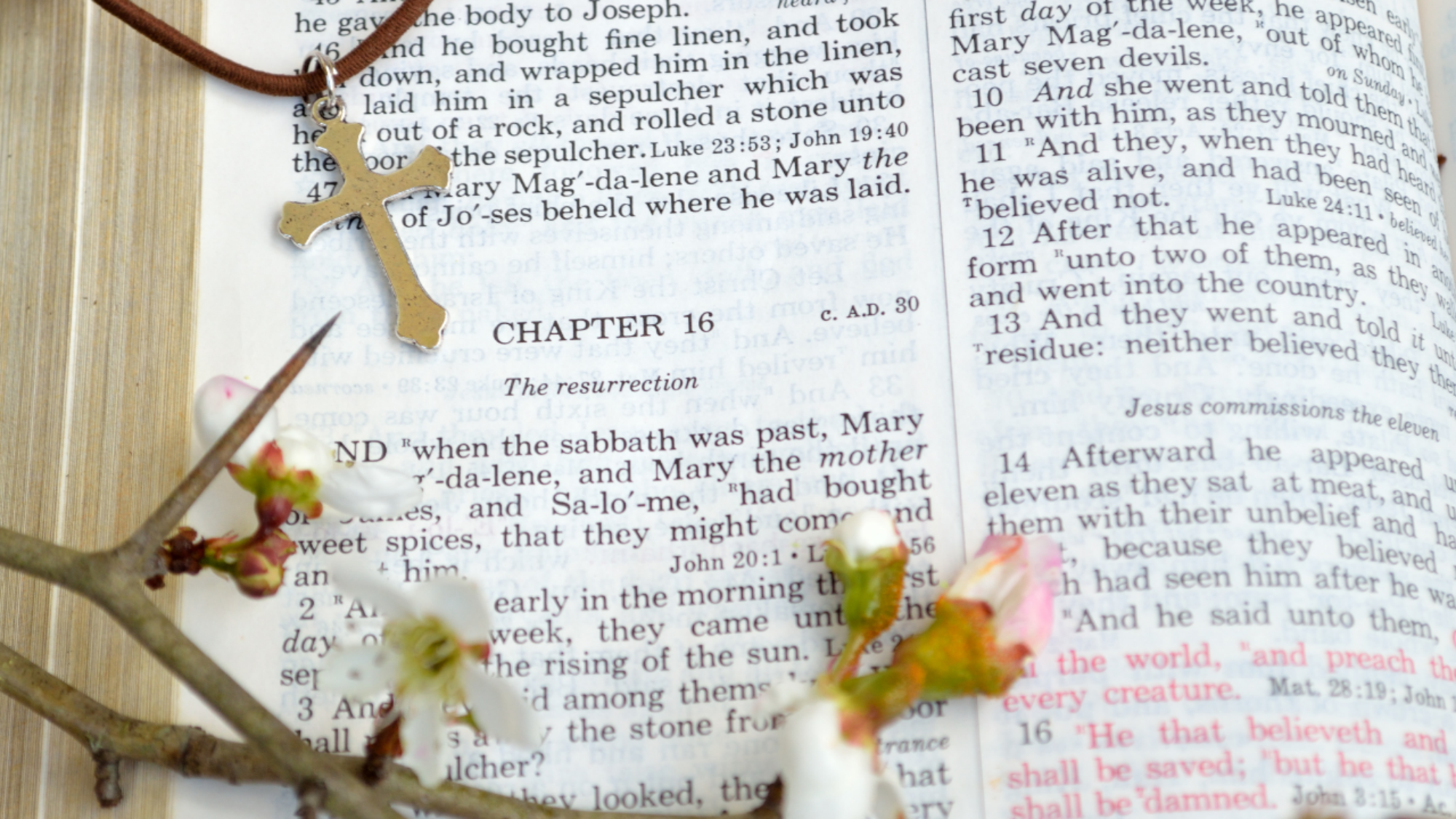
Somebody told me recently that Jesus wasn’t real so the crucifixion or the resurrection could not have happened. Well, let’s see what scripture says shall we?

If someone offends you, & if you are a person of wisdom (God’s wisdom) then you can overlook it, & not allow the situation to become a major event that overwhelms you. I discovered that there are 4 types of anger dealt with in the Bible..
If you are recovering from a traumatic event or if you’re a hyper-focused, motivated, achiever, then I know you can successfully apply yourself to create a better balance in your life.

After a struggle of years, much sweat,prayers and tears, I finally rid myself of such behaviour and began to value myself. In valuing myself, I was able to love myself.

We grieve because of the loss of a loved one, as I have experienced recently. We grieve over a divorce and, with it, a loss of lifestyle and perhaps family and beloved friends. We grieve when we move house away from family, friends, and all familiarity. We grieve when we lose our job or enter into retirement when we feel we have lost our sense of purpose. its oK NOT TO BE ok

To live as God would have us live, we must make the best possible use of our allotted time. So should we manage our time?

We really are our own worst enemy, working at cross purposes against our own best interest. We want meaning, purpose, and peace of mind, but we aren’t ready to strive or sacrifice for it. Why?

When we are unwell or in need of any kind, we must pursue medical advice,
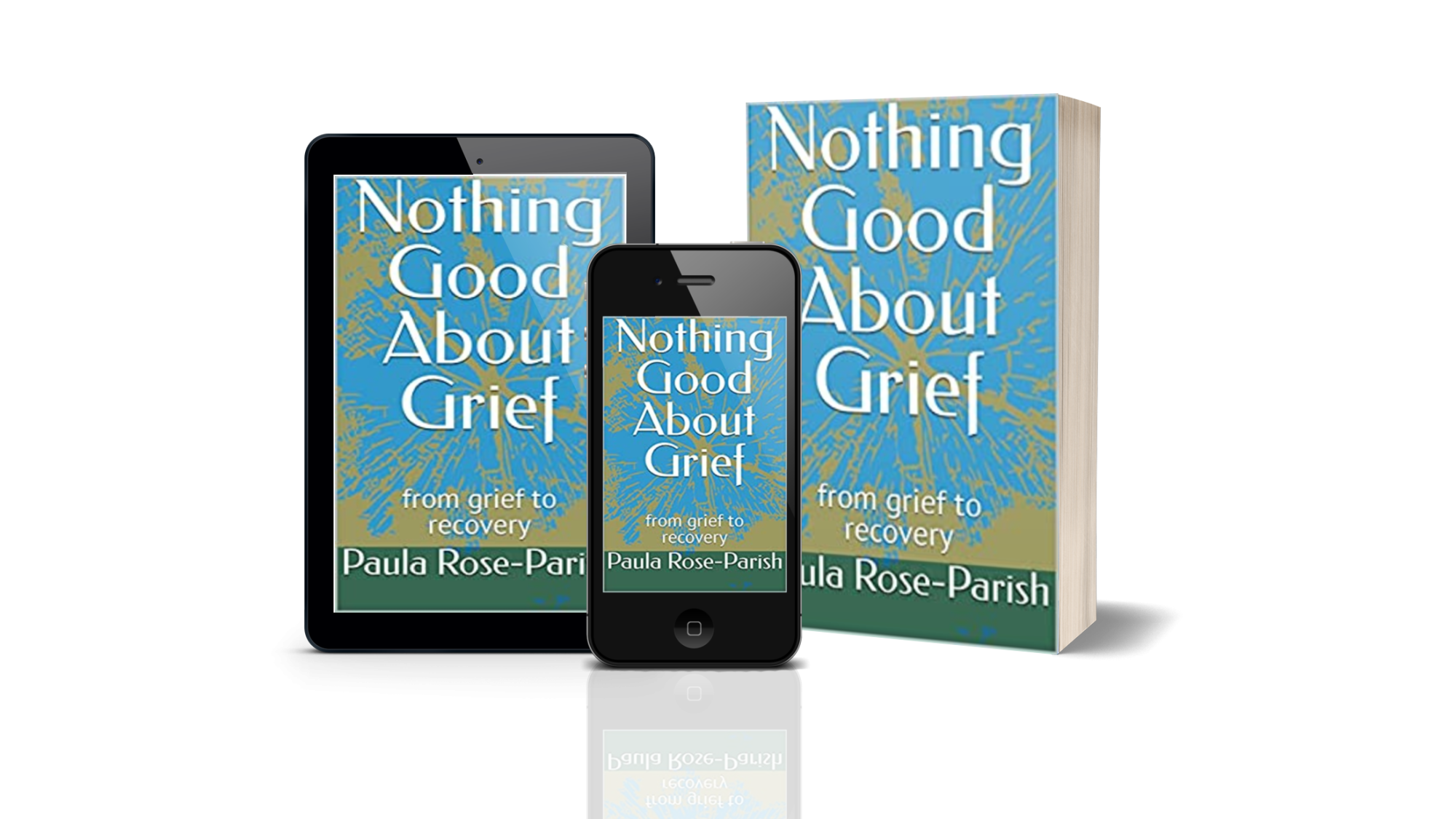
Traces of grief may always remain, it changed me. I suffered my first real experience of grief when..

Where is our memory stored? The materialist’s answer is in the brain’s hippocampus for long-term memories and the brain’s neocortex. A more subtle answer would say that all memory is stored in the deeper level of consciousness. Alan Wallace said we don’t think that a computer’s memory is stored in the keyboard. Why should we think the brain makes us conscious?
Living in Australia, one of the places I practised nursing was in the Southern Cross Catholic Residential Home. One lady who was one of my patients suffered from late-stage Alzheimer’s and could not communicate at all. Her daughters decided they would tell her that her husband, their father, had died, although they knew she would be unresponsive. She was chattering meaninglessly and appeared to be in another world, but when they told her of her husband’s death, she stopped chattering, and tears rolled down her cheeks.
That may not prove anything scientific about memory. Still, it suggests something about consciousness surviving the atrophy of the brain just as it has been shown to survive the clinical death of patients under medical care. To see someone whom we have lived with and loved for a lifetime lose their memory and drift away from us is dying while alive.
Through this pandemic of the coronavirus, we grieve over the countless lives lost. Death seems to be ever-present with us in these days. We pass through death at many intensity levels in our lifetime (Psalm 23). And yet, as with this patient, a core of consciousness connects us. Even when all the signs show that awareness has flickered out.
The persistence of deep memory – and love is a kind of memory continuously remembered and renewed – does not negate death. Love, like faith, is eternal. This is because God is Love itself, and God is eternal. Our faith in Christ is deep within our consciousness and goes beyond our physical death, allowing heaven to touch the earth.
Deep memory/consciousness transcends death and shows that life is a tremendous constant beyond physical death. Life is inextinguishable; we are eternal beings. Consciousness is life, and memory shows that love is stronger than death. Personal relationships teach us this. So does Jesus Christ, who teaches that we are transmitted in a stream of consciousness of a living memory that connects us to our source, God, and connects us to each other while carried forward on our individual journey.
For all of us today, our individual journeys in life are connected by the threat and fear of the coronavirus. For some of us, it has already meant the death of loved ones. For all, it triggers the awareness of our mortality and the uncertainties of change that we cannot control.
In such dark times, however, the memory of life experienced as a spiritual journey beginning and ending in mystery, full of inexplicable pain and joy but also full of wonder.
It is faith in the end that frees us from fear. We are first exposed to our real predicament: not having a spiritual path in times like this, lacking a source of meaning, and not seeing the spark of life hidden in the darkness of our deaths. All these are symptoms of another virus rampant in our materialism and delusion. Faith in Christ is the remedy which overcomes the fear of death and dying.
Our spiritual life cannot be separated from our everyday existence, being isolated at home with others or alone: we can make a realistic timetable including the things we need and want to do and post it where you will see it through the day. Consider if it feels balanced for your daily needs. Does it represent your everyday regular needs? Such as physical needs, mental needs and spiritual needs?
Adjusting to a daily rhythm to fulfil your basic human needs is the first step to getting a handle on the feeling of fear, panic and uncertainty. It is a step to curing the virus of fear and panic. It helps us to see health, death, and spirituality differently, even during a pandemic. When we have re-connected to the sense of the present, trusting in God, we will find that peace – the peace we lost in all that stress – is closer to us, deeper within us than we had ever imagined.
Love & Grace
Paula Rose Parish IHS
For more articles, visit Your Wellness Matters at www.paularoseparish.com. And if this article has helped you in a small way, please like it and comment.
For helpful articles on converting from Protestantism to Catholicism and videos visit ALMOST CATHOLIC at http://almostcatholic.blog
Visit My YouTube Channel- https://www.youtube.com/channel/UCIHzAbvL5Wdjlh4Q57XHEDA
I have worked internationally with over 40 years of experience, having a Bachelor of Pastoral Counselling and Theology and a Master of Arts in Counselling & Professional Development. BACP Life Coaching Certificate. I currently work as a Christian educator, blogger, author, and grandmother living with my two dogs in Wales, UK.
If you wish to connect with me, please do so at paularoseparish@gmail.com
?Want to help support me as an author? My books are available at AMAZON.
?Psalm 23 Unwrapped: Hope in Difficult Times.

Last year, a clifftop street at Hensby in Norfolk began to crumble into the sea as Britain’s coastline was battered by wild weather from the beast from the east.
One homeowner described feeling a sudden tremble like an “earthquake” as the cliff gave way, and so did his house.
After days of high winds, a garden shed and an oil tank plummeted into the sea, and waves eroded the sandstone. Houses were left teetering on the EDGE!
Hemsby, Norfolk, has been deemed “too dangerous” for the residents of 13 chalets who have been evacuated and may lose their homes, and there is a “perfect chance” six of the properties will collapse into the sea. This is what it means to live on the edge- quite literally.
But what about thinking of living on the edge as a Metaphor?
The average person lives a life of quiet desperation. There are many things to experience, but they cannot. There are many things he or she does not want to do that he or she is forced to do because many sacrifices must be made to earn a living. Day in and day out, one must keep doing the same things in the same way to survive.
Life can become repetitive; for some, it feels like there is no way out.
But there is another type of human being who revolts against this mundane life, revels in the unpredictable and the unexpected, always takes risks, flirts with danger, and believes in living on the edge.
A true-life story of a which occurred recently. A young woman on her 18th birthday parachuted out of a plane to celebrate this milestone. But sadly, the celebration turned to tragedy as she plummeted to the ground. The parachute failed to open. She lived on the edge and lost.
In every profession—business, sports, politics or movies— there are people whose adventurous streak never lets them rest in peace, who are forever on the move, going out of their way to do the most extraordinary things because they believe in living on the edge. For many people, such a life seems exciting and colourful, and they would give anything to lead a similar life. Only if they had the guts, time and money!
But how healthy or desirable is such a life? Boredom may be bad for one’s health, but so is the constant pumping of adrenaline into one’s bloodstream that results in a risk-taking lifestyle. The risk of an untimely death is indeed real, as we have seen.
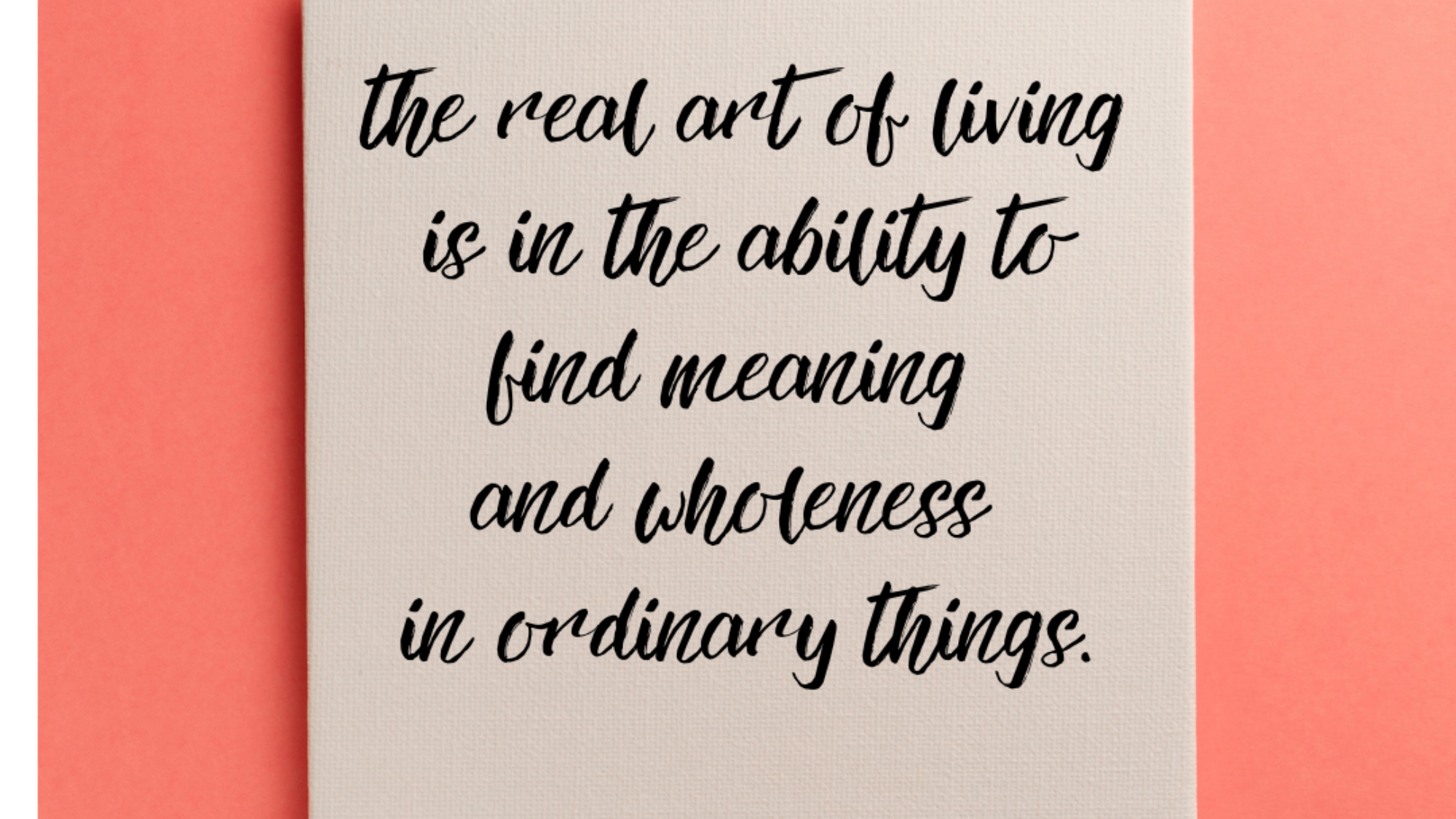
Looking at the teachings of Jesus Christ. Doesn’t the real art of living lies in the ability to find meaning and wholeness in the ordinary things of life? In the now, in this moment? The epistles declare to us a guideline on the best way to live
1 Timothy 2:2 Pray for kings and all in positions of high authority so that we may live a peaceful and quiet life in all godliness and dignity.
Whether it’s living on the edge quite literary as in Hornsby Norfolk or metaphorically jumping out of planes, whichever way one looks at it, living on the edge is certainly a risky and perhaps an unpredictable way to live – it’s not sure or solid, it’s transitory. There’s a popular that tells us that living on The edge feels much better!
And maybe it does feel so much better, but that feeling does not last. Maybe one has to create that feel-good factor to keep living on the edge, but it seems to me that living on the edge is just chasing feel-good feelings, but when that moment fades, when that feel-good feeling goes, then what?
A quiet and peaceful life is precious, and we will find it in prayer and following our Lord Christ. And, of course, following Christ is not without excitement; we can live our life to the Max in Christ and find all the adventure we can handle!
Love & Grace
Paula Rose Parish IHS
For more articles, visit Your Wellness Matters at www.paularoseparish.com. And if this article has helped you in a small way, please like it and comment.
For helpful articles on converting from Protestantism to Catholicism and videos visit ALMOST CATHOLIC at http://almostcatholic.blog
Visit My YouTube Channel- https://www.youtube.com/channel/UCIHzAbvL5Wdjlh4Q57XHEDA
I have worked internationally with over 40 years of experience, having a Bachelor of Pastoral Counselling and Theology and a Master of Arts in Counselling & Professional Development. BACP Life Coaching Certificate. I currently work as a Christian educator, blogger, author, and grandmother living with my two dogs in Wales, UK.
If you wish to connect with me, please do so at paularoseparish@gmail.com
?Want to help support me as an author? My books are available at AMAZON.
?Psalm 23 Unwrapped: Hope in Difficult Times.
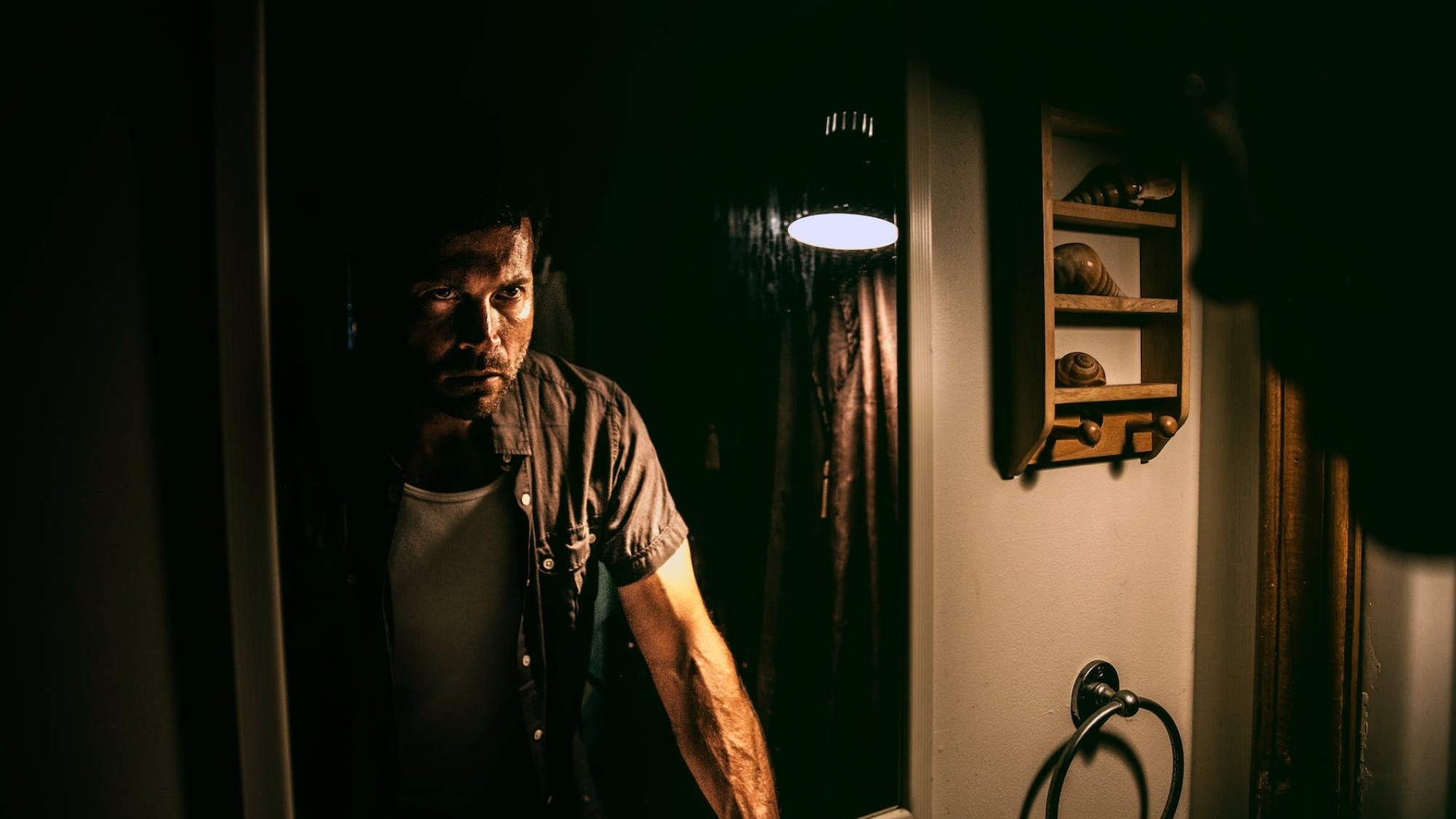
The story is told that in the latter 1800s, Alfred Lord Tennyson invited a Russian nobleman to his estate. And early one morning, this nobleman took off with dogs & guns & servants to go hunting. At mid-day, he returned & Lord Tennyson asked him how he did. He answered, “Not very well. I shot two peasants.” Lord Tennyson thought for a moment & then said, “No, we pronounce it with a ‘ph’ here. It is ‘pheasants.’ You shot two pheasants.” “No,” the nobleman replied, “I shot two peasants. They were insolent towards me, so I shot them.”
Now, we smile in disbelief at a story like that. But last May, a driver in Swansea abused another driver, a woman in road rage. He was charged with verbal assault. When asked why he was angry and abusive, he said it was because she was black. That happened in Swansea, But stories like that have popped up nationwide. People become abusive due to their evil prejudices and uncontrolled anger. Now, of course, none of us would do anything like that. Would we?
Well, have you ever lost your temper? Do you ever do things you wish you hadn’t done or say things you wish you had never said? The Bible has something to say about overcoming anger. Proverbs 19:11 says, “A person’s wisdom gives him patience. It is to his glory to overlook an offence.“
Now there is the secret, isn’t it? If someone offends you, & if you are a person of wisdom (God’s wisdom), then you can overlook it, & not allow the situation to become a significant event that overwhelms you. Over the years, I have discovered that there are 4 types of anger dealt with in the Bible.
First of all, there is sudden anger. The Bible says that sudden anger is to be controlled.
Secondly, there is sinful anger. The Bible says that sinful anger is to be condemned.
Thirdly, there is stubborn anger. Stubborn anger is to be conquered.
Finally, there is sanctified anger. And sanctified anger is to be channelled.
So, let’s briefly look at each of those 4 types of anger.
First of all, there is SUDDEN ANGER TO BE CONTROLLED. The Bible says that sudden anger is to be controlled. Proverbs 14:17 says, “A quick-tempered person does foolish things.” We already knew that because we’ve experienced that in our own lives. We may blame our quick temper on our red hair and our parents. Or we may blame it on our heritage. After all, we’re Irish or something like that. We may even be proud of it. But the bottom line is, if we have a short fuse, we will do many foolish things.
When we lose our temper, we’ll say things we know we shouldn’t have said, & do things that we’ll be sorry for later on. Next, Proverbs 15:18 says, “A hot-tempered person stirs up dissension.” That simply means that if you have a short fuse, if you’re constantly losing your temper, if you’re walking around with a chip on your shoulder if you’re just looking for somebody to say something that will irritate you, then you’re going to leave a trail of hurt feelings & unhappiness behind you. Will Rogers said, “Whenever you fly into a rage, you seldom make a safe landing.” And he is right. Chuck Swindoll said, “I got so angry that I gave him a piece of my mind. And it was a piece that I couldn’t afford to lose.”
The writer of Proverbs said, “A hot temper stirs up dissension.”
Proverbs 18:13 says, “He who answers before listening – that is his folly & his shame.” He is talking about jumping to conclusions. We hear just a little bit of what is said, & we instantly jump to a conclusion, & often, it is the wrong conclusion. Have you heard about the dog named “August” who was always trying to chase a mule named “Conclusion?” One day, he jumped at conclusion & bit him, & Conclusion kicked back in August. And that was the last day of August. Think about that for a moment. Sometimes, we jump to conclusions, & Solomon says that it is to our folly & our shame.
Proverbs 19:19 says, “A hot-tempered person must pay the penalty.” We’re being told that almost every day. Doctors tell us that losing our temper consistently brings about high blood pressure, dryness of mouth, & a fast-beating heart. It could even bring premature death. A hot temper could also mean the loss of family & friends. The penalties for losing our temper are many. So the Bible says, “If you have a sudden temper, then you need to control it.” But how can we do that?
You say, “Why, I just can’t control my temper. It gets away from me.” But you can. Have you ever engaged in a heated discussion with your voice getting louder & your words becoming more rapid? Then the telephone rings & you say, “Hello.” Sure, you can control your temper. So, we need to recognize that we have a problem with a temper. As long as we deny it, as long as we blame it on heritage, short-fuse, or whatever we choose to blame it on, we’ll never improve.
Then, we must confess our problem to God & ask for His help. “Lord, I’m beginning to lose my temper, & I’ve done it many times. Please help me see what is causing it to happen, & then help me to overcome it.” Contemplative prayer can settle us, bring us face-to-face with who we are, and bring us fantastic healing if we submit that the Bible teaches that when the Holy Spirit guides our life, one fruit of the spirit is self-control. And if you have a sudden temper, you need to control it.
SINFUL ANGER IS TO BE CONDEMNED.
The second type of anger discussed in scripture is sinful anger. Not all anger is sinful, & we’ll talk about that in just a minute. But some anger is. So, let me give you some tests this morning to help you determine whether your anger is sinful. In Matthew 5:21, Jesus says, “You have heard that it was said to the people long ago, `Do not murder, & anyone who murders will be subject to judgment.’ But I tell you that anyone angry with his brother will be subject to judgment.”Now, that passage tells us some things about anger that should help us realize when our anger is sinful & when it is not.
First, it says, “Anyone who is angry with his brother.” Now, if you’re a brother or sister to someone, it indicates that you are a member of the same family, whether a domestic family or the family of God. If we’re brothers & sisters, we ought to lift each other up, supporting & helping each other. We should not spend our time being angry at one another. The King James Version discusses being angry at your brother “without a cause.” If we are angry & don’t have a legitimate reason for being angry, then this tells us that our anger is sinful. Then, if you’re angry at your brother, that indicates that you are focusing your anger on a person. We should never focus our anger on people but rather on the sins they commit.
Jesus was never angry at people, but He was angry at their sins. So look beyond the person. We must love the person but hate their sin. So, if you’re angry at your brother or focusing on someone, your anger is sinful. In Romans 12:19, Paul says, “Do not take revenge, my friends, but leave room for God’s wrath, for it is written: `It is mine to avenge; I will repay,’ says the Lord.”
So the third test of our anger is this: Is it anger that seeks revenge? Are we always trying to get even? The Bible teaches that God is the one who has the right to vengeance. Not us. “Vengeance is mine,” says the Lord. We don’t have the right to repay anyone. But instead, turn that over to God.
So if our anger is geared towards seeking revenge, it is sinful. If it is vengeful, then most likely, it is also deep anger that is cherished. Remember what Jesus said to the man who was by the pool, waiting to be healed, & he couldn’t get to the water soon enough?
Jesus asked him, “Do you want to be healed?” Important question! There are a lot of people who enjoy being sick because of the attention it gets them. And there are a lot of people who love being angry. They’ve been angry for years. Inside them, there is a boiling mass of anger. So, if anger is cherished, it most certainly is sinful anger. If it is cherished anger, it will also be a wave of anger with an unforgiving spirit. The secret to getting rid of anger is to forgive. But if you can’t forgive, if you can’t release it, then it is a fit of sinful anger. So here are the 5 tests to tell whether or not our anger is sinful.
If any of the answers to those questions is “yes,” then our anger is a wave of sinful anger. And the Bible says that it is to be condemned. If it is sinful, we need to repent, turn away from it, & allow God to forgive us so that we can become forgiving people, too.
STUBBORN ANGER IS TO BE CONQUERED.
The third type of anger is stubborn anger. It is an anger that stays there, day after day. One of the classic passages that deals with anger begins in Ephesians 4:26. The KJV says, “Be ye angry, & sin not. Let not the sun go down on your wrath.” And the next verse says, “And do not give the devil a foothold.”
One day you go home & you’re angry. You’re carrying a chip on your shoulder, waiting for someone to knock it off. Then your wife says something you don’t particularly appreciate, & soon, heated words are exchanged. It really doesn’t amount to much, but you’re determined to get your way, & she is determined to get her way. So, the argument continues. The sun goes down & night-time comes. Then, in bed, she faces that way & you face this way, & you both make sure you don’t touch each other.
Do you realize what has happened? The Bible says that you have opened the door, & said, “Mr. Devil, come right on in. We’ll make you welcome here.” Then, in vs. 31, Paul mentions what happens when Satan begins to do his dirty work. The first result is “bitterness.” You begin to think about all the bad things people do & say to you, all the insults, all of the inconsiderate things that go on.
Then Paul says, “After bitterness comes rage & anger.” “Rage” is bitterness boiling & bubbling inside of you. And “anger” is rage being expressed. It is no longer just inside you. Now you begin to kick the cat, & hit the wall. Now you begin to say all kinds of things until finally, it becomes “brawling,” which means “shouting loudly,” & “slander” or “insults.” “Look at this house. It’s a pigsty. I come home every day & these kids are dirty. You don’t know how to take care of them. What makes you think you’re a homemaker?” And on & on, it goes back & forth. And the end result of it all, Paul says, is “malice.” And “malice” means that you really desire to harm. That’s why we’re always reading about someone shooting his wife & turning the gun on himself. Because the ultimate end of stubborn anger is malice and absolute hate.
Paul said, “Here is how to get rid of stubborn anger. Don’t let the sun go down on your wrath.” Vs. 32 says, “Be kind & compassionate to one another, forgiving each other, just as in Christ God forgave you.”
SANCTIFIED ANGER MUST BE CHANNELED IN THE RIGHT DIRECTION FOR GOD.
Finally, there is Sanctified anger. And that must be channelled in the right direction for God. Remember, Ephesians 4:26 says, “Be ye angry. . .” It is okay to be angry, but do not sin. Let me read to you from Mark 3:1-5. This passage deals with a situation in the life of Jesus that I think is very revealing. It says:
“Another time, he went into the synagogue, & a man with a shrivelled hand was there. Some were looking for a reason to accuse Jesus, so they watched him closely to see if he would heal him on the Sabbath. And Jesus said to the man with the shrivelled hand, `Stand up in front of everyone. Then Jesus asked them, `Which is lawful on the Sabbath: to do good or evil, to save a life or to kill?’ But they remained silent. He looked around at them in anger & deeply distressed at their stubborn hearts.
You see, the focus of His anger is their hearts. He is angry because of their stubborn hearts & their stubborn anger. The sun has gone down. The sun has come up. And the devil has established a foothold in their lives. And Jesus is angry at their stubborn anger. Then Jesus said, “Stretch out your hand.” And he stretched it out, & his hand was completely restored.“
The Bible says that Jesus was tempted in all points, even as we are tempted, but He never sinned. So this passage teaches that Jesus became angry, but it wasn’t sinful anger. It was sanctified anger, channelled anger, anger that has the proper focus, & the correct object. Maybe an infusion of anger is the very thing that the church needs. To become angry at the corruption of the world. To become angry at the forces of evil. To become angry at pornography, for example, because it reaches into every segment of society and ruins lives. To become angry at the millions of abortions. To become angry at the increase in crime & murders & rapes.
To become angry at the abuse of alcohol & drugs in our society. To become angry because millions of people are dying & going to Christless graves. It is time for the church to become angry, with sanctified, holy anger channelled in the right places. There are all kinds of anger. And if you are wrestling with them, God promises to give you victory if you let Him. So be angry, but don’t sin. Don’t let the sun go down upon your wrath. Don’t allow the devil to have a foothold in your life. But channel that anger so it can begin to accomplish victories for Jesus.
We get angry at the sin, and that’s OK; it should provoke us to Godly action. But we remember that we must unconditionally love the person, as Jesus did because they are made in God’s image as you are- and you are not perfect either!
We offer His invitation. Jesus Christ stands ready & willing to come into your heart & into your life. If you confess your faith in Him, & repent of your sins, & be faithful to him in Christian baptism, He has promised to forgive your sins.
If you are already a Christian, a believer in Jesus, we invite you to join us in the ministry that God has given us here. Whatever your decision, we offer the invitation of Jesus. Will you come as we stand together in love and unity?
Love & Grace
Paula Rose Parish IHS
For more articles, visit Your Wellness Matters at www.paularoseparish.com. And if this article has helped you in a small way, please like it and comment.
For helpful articles on converting from Protestantism to Catholicism and videos visit ALMOST CATHOLIC at http://almostcatholic.blog
Visit My YouTube Channel- https://www.youtube.com/channel/UCIHzAbvL5Wdjlh4Q57XHEDA
I have worked internationally with over 40 years of experience, having a Bachelor of Pastoral Counselling and Theology and a Master of Arts in Counselling & Professional Development. BACP Life Coaching Certificate. I currently work as a Christian educator, blogger, author, and grandmother living with my two dogs in Wales, UK.
If you wish to connect with me, please do so at paularoseparish@gmail.com
?Want to help support me as an author? My books are available at AMAZON.
?Psalm 23 Unwrapped: Hope in Difficult Times.
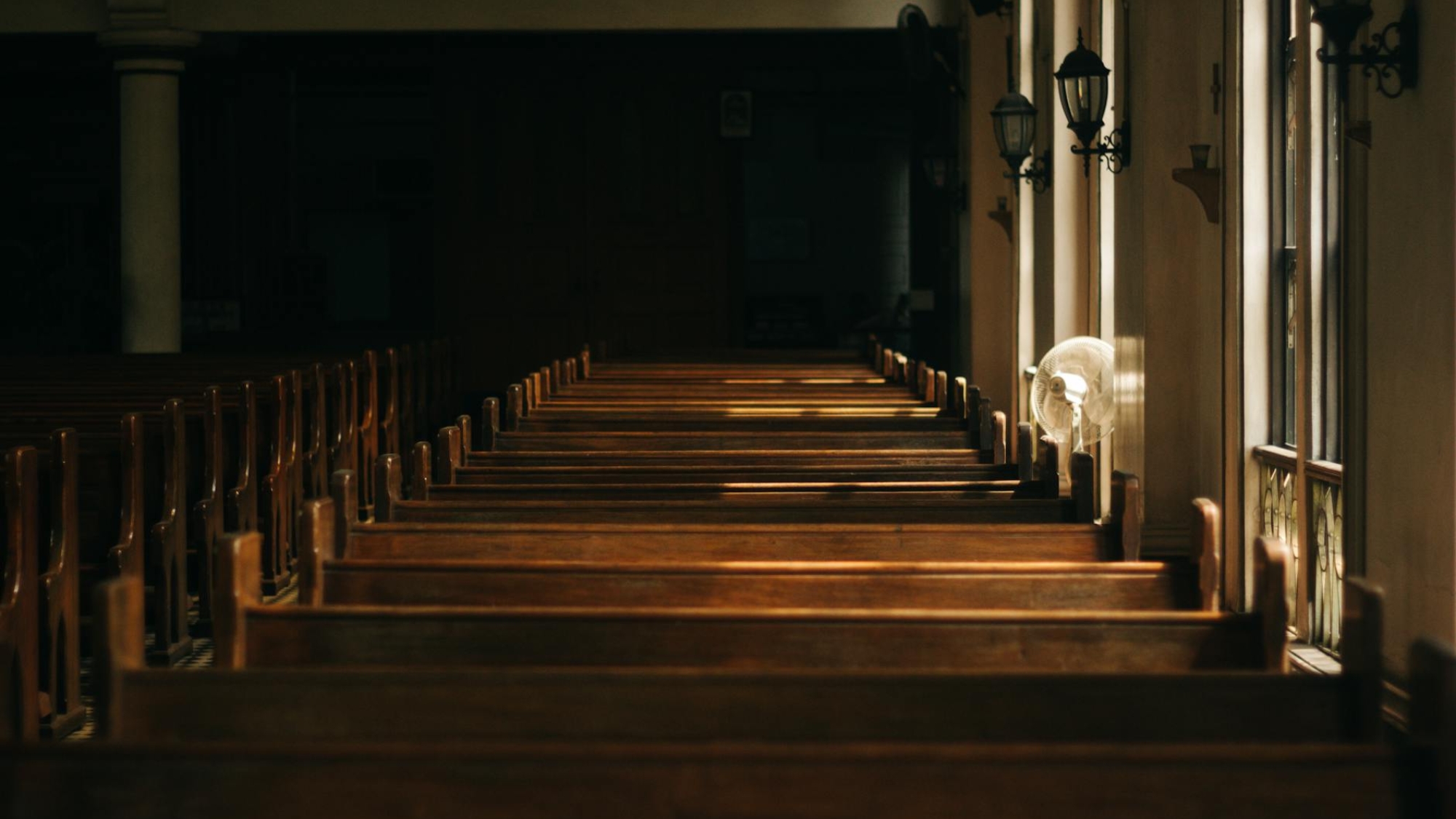
We have all wanted to leave the church sometime.
Safe, he felt safe, very safe. Rocky relationships of the past left me in fear. Fear of the future, fear of making the wrong choices, fear of another abusive relationship
Sign up with your Name & Email & Don’t Miss the Upcoming Latest Updates.