I started a high-protein diet but made many mistakes. After searching YouTube for the answer to my dilemma, I have found the way forward for consistent weight loss and well-being. So, I decided to start a High-Protein Diet—the right way!
Context
Let me back up a little bit and share some context about my high-protein diet. I needed to lose ½ stone, which is 7lb. I have been trying diligently for quite a long time now.
I reduced my calories to 1200, virtually eliminating carbohydrates and concentrating on proteins and low fat. But the problem is that I didn’t finish many of my meals or even reach the 1200-calorie mark because I just wasn’t hungry.
Now, at 69, I understand that as we get older, we do lose appetite. We don’t get hungry like we used to when we were young.
Despite my workout weight regime, cardio schedule, and 10,000 steps per day, I just wasn’t getting hungry. So, I would miss meals and call it intermittent fasting.
Despite my efforts, I was getting bloated, and my weight rose above nine stone. This caused me upset and distress because I saw nothing for my efforts.
I became quite despondent and stopped using the MyFitnessPal app. I used to record my meals in Fitness Pal, but I stopped doing that.
I began to eat when I wanted and any old how.
Understandably, my weight ballooned to another 7lb, which is a considerable amount on my 4-foot 11-inch frame.
Feeling dreadful, I prayed about it and asked God to help me. I began to search for owners online. I eventually came across a Fitness and health expert on YouTube and binged-watched her videos.
Finally, I figured out the problem: why I was putting on weight despite my careful meal and exercise planning.
Through Michelle’s channel, I realised that I wasn’t eating enough.
Although I was eating the right things, I wasn’t eating the correct quantities to sustain my energy levels and build lean muscle. My body became stressed and hung onto every ounce of fat.
Michelle suggested that we should eat even when we do not feel hungry and not wait to feel hungry to eat. She said we must fuel our bodies daily to sustain energy and strength.
So, according to Michelle’s suggestions, I have written a new strength workout regime and meal plan for myself.
I’ve just returned from the supermarket after buying all the food I need, and I’ll keep you posted on how I get on.
But in the meantime, I want to help those who may be in my position.
Perhaps you’re not hungry, you’re not eating, your energy levels are low, you’re tired, or you feel weak. If so, then this blog is for you.
I will also link one of Michelle’s videos about protein and strength training Here.
Why Start a High Protein Diet?
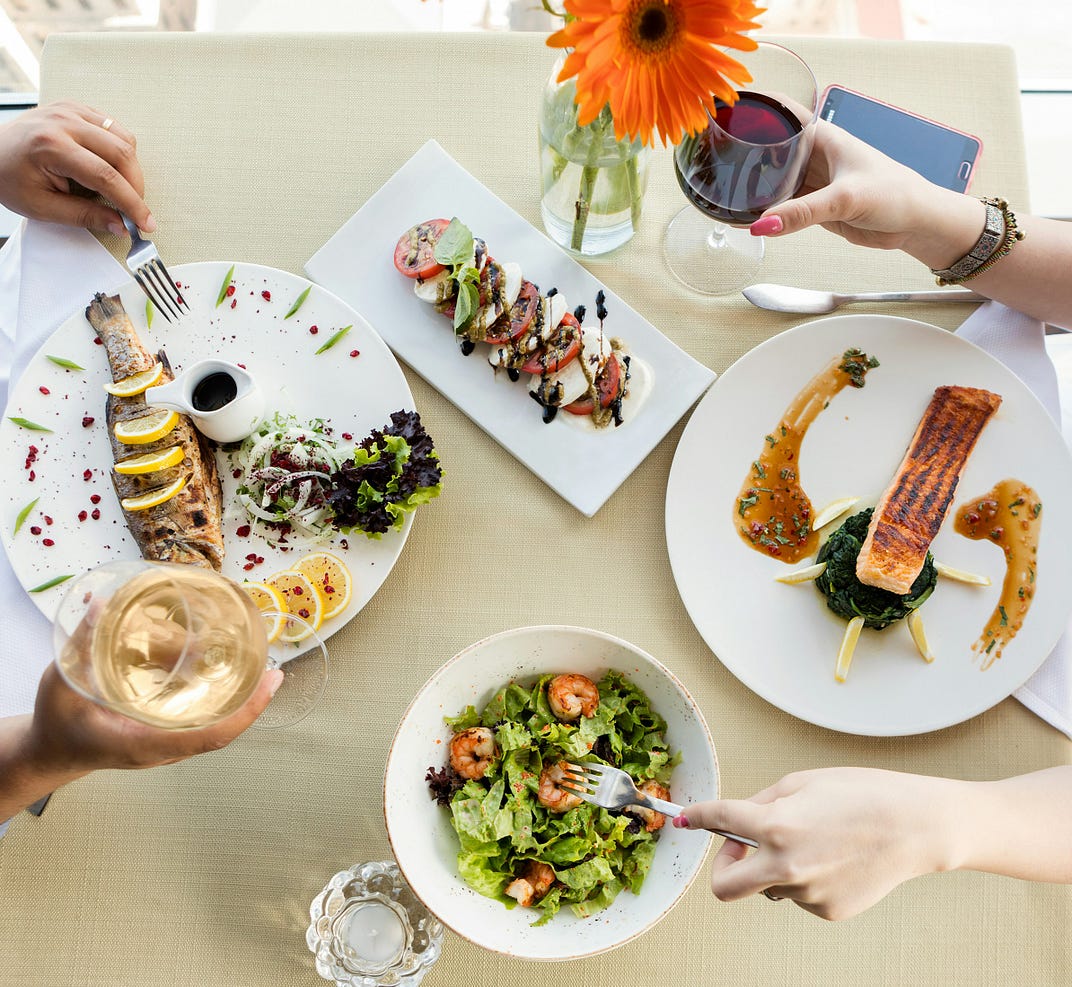
You can lose weight on a high-protein diet. High protein diets can help you lose weight, but are there any hidden costs? Take a look at what medical experts have to say about the pros and cons of eating more protein.
1. Understand your needs. The average American gets about 16% of their daily calories from protein, which is slightly more than the minimum Recommended Dietary Allowance of 10%. While diets like Atkins advocate consuming as much as 50% protein, most experts suggest sticking to a range of 15 to 35%.
2. Feel full. Protein does suppress your appetite, so you’re less likely to feel hungry. This will stop you from consuming junk food. You may still need other weight loss strategies if you’re dealing with issues like emotional overeating or lack of physical activity.
3. Switch your calories. Naturally, you’ll gain weight if you add more protein to your usual fare. Try replacing sugary foods with high-protein snacks like roasted chickpeas.
4. Choose wisely. Look for lean protein sources, and limit processed meat. Good options include fish, beans, eggs, low-fat dairy products, and skinless poultry. There are plenty of choices for both vegetarians and meat eaters.
5. Eat vegetables. Aim for at least seven small servings of fresh vegetables and fruits a day. They’re usually high in nutrients and low in calories, and most contain some protein.
6. Drink water. Extra protein can leave you feeling dehydrated. Carry around a water bottle and drink tea.
7. Spread it out. Your body uses protein more efficiently if you include it in each meal and snack rather than waiting for dinner. Enjoy an omelet or fish sandwich for breakfast. Snack on yoghurt and nuts.
8. Make lasting changes. To keep weight off, you’ll need to make lifestyle changes you can maintain for years. A diet with a variety of foods is safer and easier than an extremely high protein regimen.
Other Considerations for a High-Protein Diet
1. Take extra care. A little extra protein is safe for most adults, but some conditions require precautions. Very high protein intake may aggravate kidney troubles or contribute to osteoporosis.
2. Adjust for life changes. There are also times when you may need more protein, including pregnancy and old age. Extra protein can slow down muscle loss for seniors, which interests me as I am a senior. Sadly, many older people become frail due to insufficient protein.
3. Muscle up. Regardless of your age, protein also helps muscle recovery after vigorous workouts, especially if you lift weights. If you spend a lot of time at the gym, you may need to aim for the upper range and get 20% to 35% of your calories from protein.
4. Focus on whole foods. Protein bars are convenient, but many brands have as much sugar as a candy bar. Read the labels, and save them for special occasions like travel. Quick salads and stir-fries will provide more nutrients almost as quickly when you’re at home.
5. Save your money. Manufacturers know that protein is popular now, so supermarkets are full of high-protein breakfast cereals and peanut butter. If the prices look expensive, rest assured that you can easily meet your protein needs with less expensive foods like eggs and tofu.
6. Talk with your doctor. Your doctor can advise you about protein consumption and weight loss strategies appropriate for your individual needs.
Ask for a referral to a nutritionist if you want more information.
A balanced diet and daily exercise are still the ideal ways to manage your weight. Foods rich in protein can help you feel full with fewer calories, especially if you choose lean versions, and eat them in combination with complex carbohydrates and healthy fats.
I hope ” my article on High Protein Diet is helpful to you.
If so, let me know in the comments. For more articles like these, click here.
I hope these strategies are helpful to you.
Ensure you subscribe- it’s free. We advocate preventive, holistic care.

In the meantime, Live Life on Purpose Because Your Wellness Matters!
Affiliate Link: Got a YouTube channel? To Get More Views and Subscribers, click this link to get your free TubeBuddy today. https://www.Tubebuddy.com/pricing?a=Wellness4Women