Anxiety manifests as excessive worry, nervousness about various aspects of life, and an overall uneasiness about the future.


Anxiety manifests as excessive worry, nervousness about various aspects of life, and an overall uneasiness about the future.

It’s not easy to make short decisions like clockwork. Those who fail are true experts who have mastered their craft.
Forgiveness is a powerful act that encourages emotional healing. For many women, harboring resentment can lead to stress and anxiety

Happiness at Christmas doesn’t come from perfection but connection and mindfulness.

Here are several strategies to help you navigate situations and maintain your well-being:
A balanced approach that combines healthy eating, regular physical activity, and smart lifestyle habits.
Women tend to live longer than men

My spouse told me I upset him- it was my fault- and I believed him.
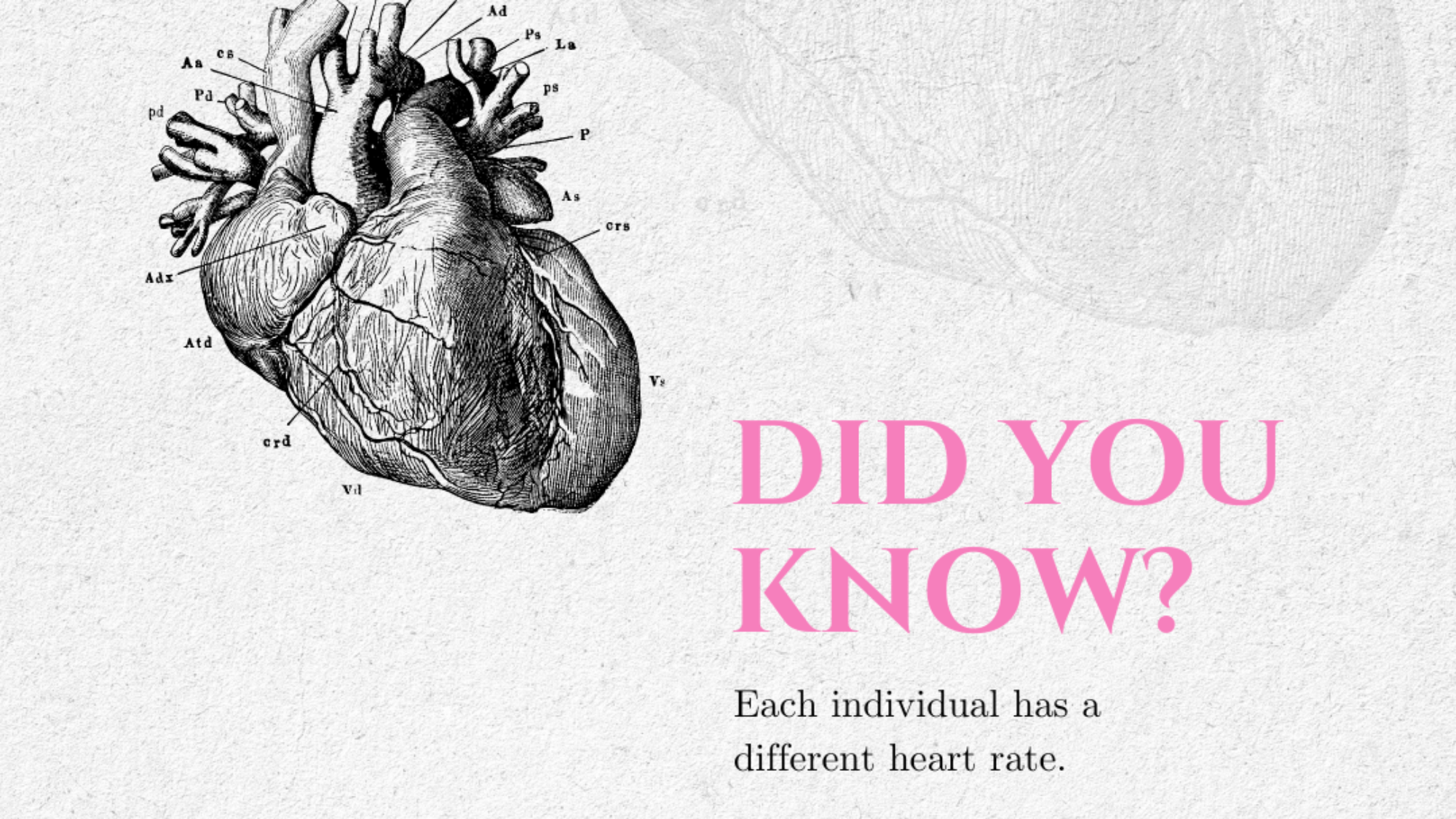
Without a healthy heart, we cannot prevent disease. In my wellness practice, I encounter women who do not know how to care for their hearts to prevent disease. In this article, I share my Essential Guide To Heart Health. Here, I share a few simple facts that will inform you about your most precious organ.
The heart is an important part of the circulatory system, and it’s responsible for pumping blood and oxygen throughout the entire body.
Take a moment to get in tune with your heart by placing two fingers against your neck just below your jawline. You can also try placing two fingers on your wrist, just below the base of the thumb. That bump bump feeling is your heart in action. It’s working hard to keep you alive and supply blood and oxygen to all the necessary areas in the body.
The heart is an incredible organ that works hard every day. The adult heart beats between 86,000 and 144,000 times each day.** Children tend to have a faster pulse than adults which means their hearts tend to beat between 100,000 and 158,000 times a day?—?amazing!
A healthy heart is exceedingly beneficial to the human body, but an unhealthy heart can cause numerous health issues. In fact, in most western countries, heart disease is the leading cause of death for men, women, and people of most racial and ethnic groups in the United States.
Some people are born with heart conditions, while others develop them over time. For some, heart issues are an unavoidable reality. For many others, the risk of heart disease can be significantly lowered with a healthy lifestyle.
The human heart serves an essential function in the body, but what is it and how does it work? What is unique about the heart and why is it so important to maintain a healthy heart? This section will give you a better understanding of the marvel that is the human heart.
The human heart is a muscular organ in the circulatory system that supplies oxygen and nutrients (in the blood) to tissues in the body. It is also responsible for removing carbon dioxides and other waste as it circulates in and out of the heart.
The heart rests at the centre of the body, slightly left of the centre. The adult human heart weighs between 8 and 12 ounces. Men’s hearts tend to weigh a bit more than women’s.
The human heart has four chambers:
The bottom chambers: The right and left ventricles are responsible for pumping blood out of the heart. The right ventricle receives blood from the right atrium and then sends it to the lungs, which can be filled with oxygen. The left ventricle, the strongest chamber in the heart, pumps the oxygen-rich blood back into the body.
The top chambers: The right and left atrium are responsible for receiving blood entering the heart. The right atrium receives blood from the veins and then sends it on to the right ventricle. The left atrium receives oxygenated blood from the lungs and passes it on to the left ventricle.
Blood pressure refers to the force used to pump blood and oxygen throughout the body. The heart creates this force.
When a doctor or nurse measures blood pressure, they’re checking to see how much force is used to circulate the blood through the body. Naturally, if your heart is beating faster your blood pressure may also rise, but there are other factors that lead to high blood pressure like smoking, stress, or lack of physical activity.
An unusually high or low blood pressure may indicate a problem in the circulatory system.
There are many types of heart disease and heart conditions, but here we will be discussing some of the most common ones.
Here’s a quick look at common heart conditions:
Some of the things mentioned in the section above are products of genetics or circumstances, meaning there are outside controlling factors that couldn’t have been prevented. For many other heart conditions, lifestyle plays a large part in keeping the heart healthy.
Though lifestyle changes can’t 100% protect you from developing a heart condition, experts believe that they can significantly reduce the risk.
Here are some of the significant ways that doctors, scientists, and heart specialists recommend keeping the heart healthy- follow these important steps:
Virtual Hugs, and Remember to Live Life on Purpose because Your Wellness Matters!
Hello, I’m Paula; I can help you enhance and maintain your health and well-being for a healthier and happier You.
I advocate Holistic living, which is not just about the practice of therapeutic interventions; it’s also about living life authentically—it’s about living Your Best Life!
In my blogs and videos, I share how to approach daily living ‘holistically’ for the healing, health, and wellness of Mind, Body, and Personal Development to be a healthier and happier You.
Affiliate Link: Got a YouTube channel? To Get More Views and Subscribers, click this link to get your free Tube Buddy today. https://www.Tubebuddy.com/pricing?a=Wellness4Women
As a wellness consultant and coach, I am committed to science-based holistic health and prioritise your well-being. I offer free initial consultations for those seeking to enhance their overall wellness.
However, if you have serious health concerns, I urge you to consult your healthcare provider for personalised guidance.
Please Subscribe to my Blog and YouTube channel so that you won’t miss out on posts.
Let’s embark on your journey to well-being together.
Remember, live life with intention because your wellness matters. Paula Rose Parish is a life member of (ISFP) The International Society of Female Professionals. And also earned qualifications in pastoral counselling and theology, a Master of Arts in counselling in professional development, and a BACP in life coaching. Paula Rose is currently working on her health and nutrition certification.
Visit our W4W shop, where you’ll find my downloadable self-help books, planners and recipe PDF e-Books in my shop at https://1.hairforu.net
If you wish to connect with me, please do so at paularose@1.hairforu.net
0r paularoseparish@gmail.com
My books are available on AMAZON (coming soon on W4W website)
Paper back & E-Book- Nothing Good about Grief: Path to Recovery with Psalm 23
Paper back-Palm 23 Unwrapped: Hope in Difficult Times.
DISCLAIMER: Remember, your safety is our priority. If you’re new to psychological therapy, exercise, nutrition, or fitness or planning to start, it’s crucial to consult your physician. This blog/video is for educational purposes only and is not a substitute for professional medical advice or treatment. Your health and wellness matters, so please be safe.
#womenhealth #health #women #healthylifestyle #fitness #womenempowerment #wellness #womenhealthcare #weightloss #healthyfood #selfcare #love #motivation #healthy #healthcare #healthyliving #menstrualcramps #endometriosis #womenshealth #womensupportingwomen #menstruation #menopause #fibroid
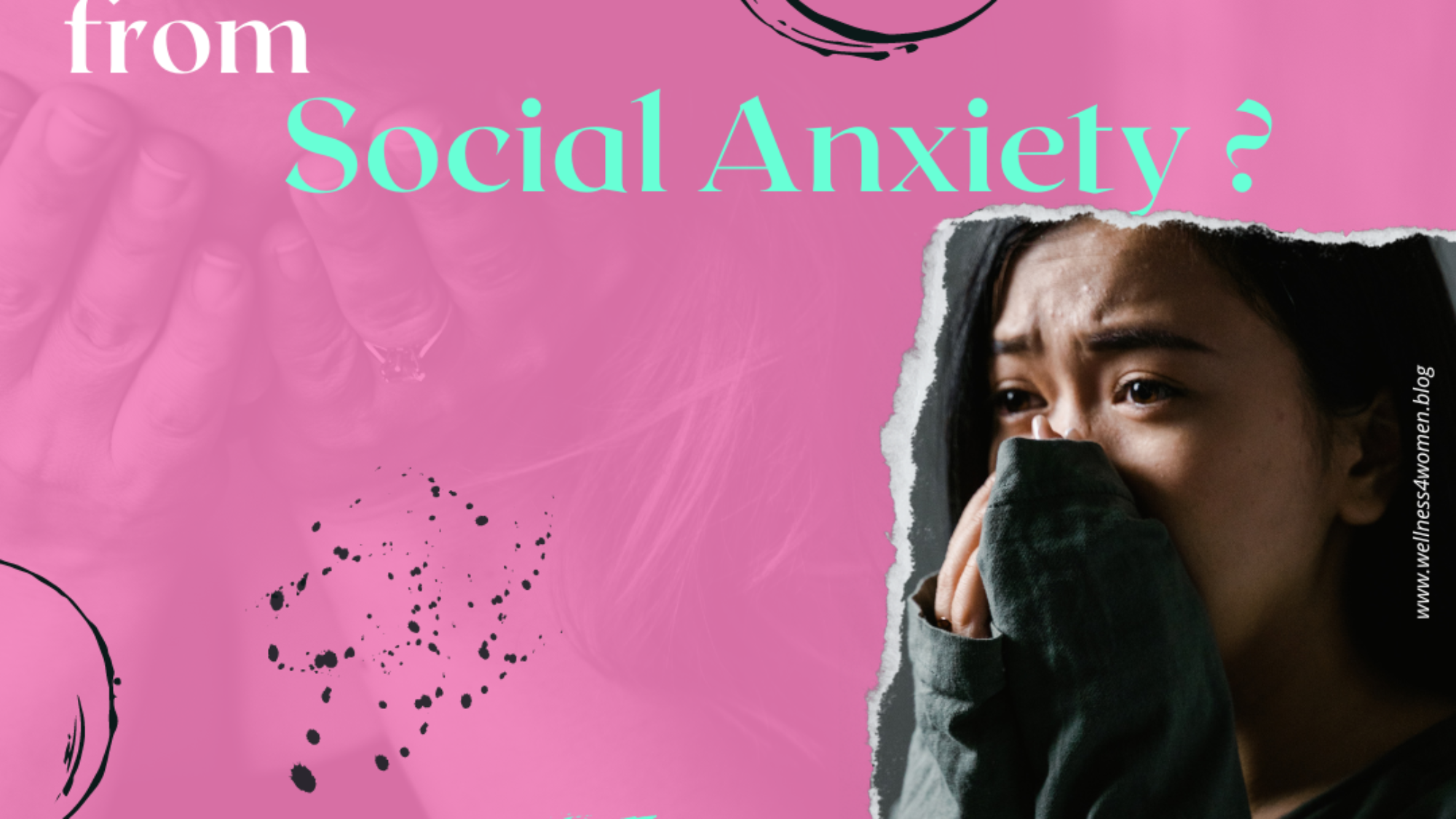
I have experienced Social Anxiety Disorder. Just the thought of going out my front door would trigger panic attacks.
Wellness Self-reflection is the process of consciously examining one’s thoughts, behaviours, emotions, and experiences to gain deeper insight into oneself.
It involves looking inward to evaluate one’s actions, decisions, and motivations in order to understand why one thinks or behaves in certain ways and how one can improve or grow.
This practice is often used for personal development, emotional growth, and decision-making, as it helps individuals make sense of their experiences and align their actions with their values and goals.
Common methods of wellness self-reflection include journaling, meditation, or simply setting aside quiet time to think. Regular practice can lead to a more mindful and intentional approach to life.

I am in awe of my body and how it looks after me.
I understand that my body is responsible for incredible processes and should be respected.
I ensure I look after my mental well-being. I remind myself of how important I am to the world.
I tell myself I deserve to be happy and celebrate my life and everyone in it.
I think positively, creating moments of happiness and reminding myself what I am grateful for.
I exist in the present moment.
I take care of my physical health. When I go for a run, I can feel my body working.
I know I have to respect my body.
I eat healthy foods and enjoy learning to cook.
I turn cooking into a social activity and encourage others to be healthy.
I am privileged to be part of a healthy community.
I take time to laugh and to see the joy in life.
I remind myself to look at the beauty and the intricacies of the world around me.
I find joy in every moment I spend in nature.
I am thankful I am part of this world.
Today, I appreciate the incredible journey my body is constantly making.
I look after my mental and physical well-being and celebrate my body and the fantastic miracles it performs.
Wellness is a holistic journey that nurtures your mind, body, and spirit. Self-reflection and affirmation are powerful practices that can help you stay connected with yourself, overcome challenges, and cultivate a positive mindset.
Regularly engaging in wellness, self-reflection can empower you to live a more intentional, balanced, and fulfilling life. So, start today by setting aside time for self-reflection and creating affirmations that resonate with you.
Remember, the journey to wellness begins within YOU!
I hope these strategies are helpful to you.
Ensure you subscribe—it’s free. We advocate preventive, holistic care, particularly for women over 50.
In the meantime, Live Life on Purpose Because Your Wellness Matters!
Affiliate Link: Got a YouTube channel? To Get More Views and Subscribers, click this link to get your free TubeBuddy today. https://www.Tubebuddy.com/pricing?a=Wellness4Women
DISCLAIMER: Remember, your safety is our priority. If you’re new to psychological therapy, exercise, nutrition, or fitness or planning to start, it’s crucial to consult your physician. This blog/video is for educational purposes only and is not a substitute for professional medical advice or treatment. Your health and wellness matters, so please be safe.
It’s easy to be remarkably unsuccessful by blaming others. The other downside is that you can do nothing if someone else is at fault. The best you can do is hope they’ll step up and fix the situation for you. Let’s face it: playing the blame game is always a lose-lose situation.
However, when you take responsibility, you give yourself permission and the motivation to resolve your challenges, and you will succeed.
It’s possible that you:
? had horrible parents
? were made fun of by your third-grade teacher
? had a boss who enjoyed making you miserable
? lack talent
? lack education
? are old or young
The list goes on.
If you want to be successful, you must take responsibility for everything in your life, good or bad. You must also forgive those in your past and move on.
While the circumstances may not be your fault, no one else will take responsibility for improving the situation. You can fix anything if you’re willing to hold yourself responsible. Any other perspective creates a sense of helplessness.
Even if you lack talent, education, or opportunities, using those as excuses accomplishes nothing. A lack of talent can be overcome with hard work. A lack of education can’t stand up to a library full of books.
No one’s parents attended formal parenting school. Even if you were horribly mistreated, the only sensible option is to let it go and get on with your life.
Realise that your past choices have resulted in your current situation. Your current choices will determine your future situation.
Avoid blaming outside issues for your predicament. The blame game is a dead-end street.
Instead- take control of your life by taking responsibility for everything.
The saying goes, “With great power comes great responsibility.” It’s just as accurate to say, “With great responsibility comes great power.” Use your power.
“Turning pro is a mindset. If we are struggling with fear, self-sabotage, procrastination, self-doubt, etc., the problem is that we’re thinking like amateurs. Amateurs don’t show up. Amateurs crap out. Amateurs let adversity defeat them. The pro thinks differently. He shows up, does his work, and keeps on truckin’, no matter what.”
– Steven Pressfield
I hope these strategies are helpful to you.
Ensure you subscribe- it’s free. Ensure you subscribe- it’s free. We advocate preventive, holistic care, particularly for women over 50.
In the meantime, Live Life on Purpose Because Your Wellness Matters!
Affiliate Link: Got a YouTube channel? To Get More Views and Subscribers, click this link to get your free TubeBuddy today. https://www.Tubebuddy.com/pricing?a=Wellness4Women
DISCLAIMER: Remember, your safety is our priority. If you’re new to psychological therapy, exercise, nutrition, or fitness or planning to start, it’s crucial to consult your physician. This blog/video is for educational purposes only and is not a substitute for professional medical advice or treatment. Your health and wellness matters, so please be safe.
For more articles like this one CLICK HERE
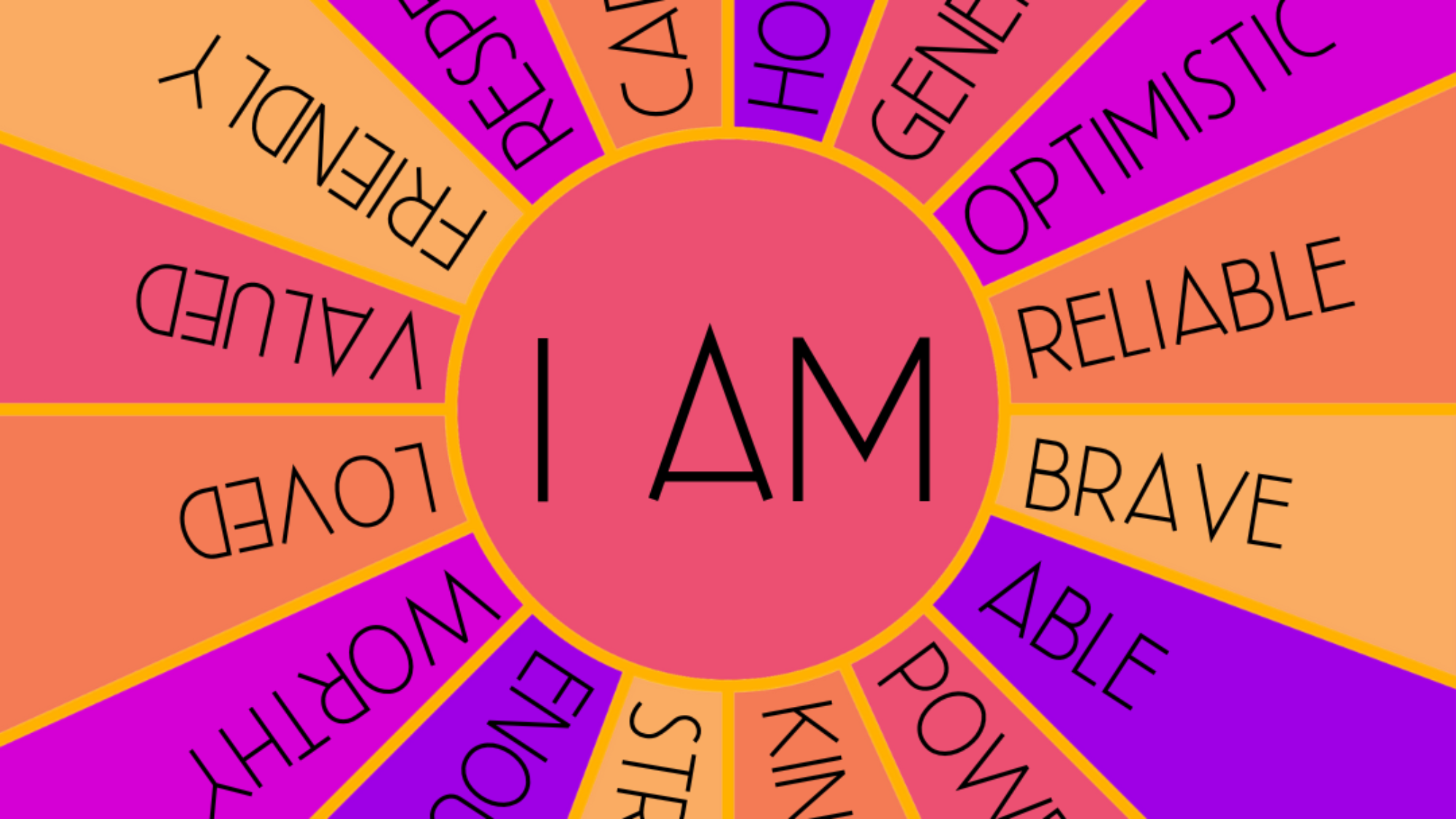
I am in awe of my body and how it looks after me.
I understand that my body is responsible for incredible processes and should be respected.
I ensure I look after my mental well-being.
I remind myself of how important I am to the world.
I tell myself I deserve to be happy and celebrate my life and everyone in it.
I think positively, creating moments of happiness and reminding myself what I am grateful for.
I exist in the present moment.
I look after my physical health.
I go for a run and can feel my body working.
I know I have to respect my body.
I eat healthy foods and gain pleasure from learning to cook.
I turn cooking into a social activity and encourage others to be healthy.
I am privileged to be part of a healthy community.
I take time to laugh and to see the joy in life.
I remind myself to look at the beauty and the intricacies of the world around me.
I find joy in every moment I spend in nature.
I am thankful I am part of this world.
Today, I appreciate the incredible journey my body is constantly making.
I look after my mental and physical well-being and celebrate my body and the fantastic miracles it performs.
Am I eating healthily and looking after my body?
Am I looking after my mental well-being?
Am I smiling and laughing and enjoying the world around me?
I hope these strategies are helpful to you.
Ensure you subscribe—it’s free. We advocate preventive, holistic care, particularly for women over 50.
In the meantime, Live Life on Purpose Because Your Wellness Matters!
Affiliate Link: Got a YouTube channel? To Get More Views and Subscribers, click this link to get your free TubeBuddy today. https://www.Tubebuddy.com/pricing?a=Wellness4Women
DISCLAIMER: Remember, your safety is our priority. If you’re new to psychological therapy, exercise, nutrition, or fitness or planning to start, it’s crucial to consult your physician. This blog/video is for educational purposes only and is not a substitute for professional medical advice or treatment. Your health and wellness matters, so please be safe.
Cultivating wellness isn’t just about physical health; it’s also about nurturing the mind and spirit.
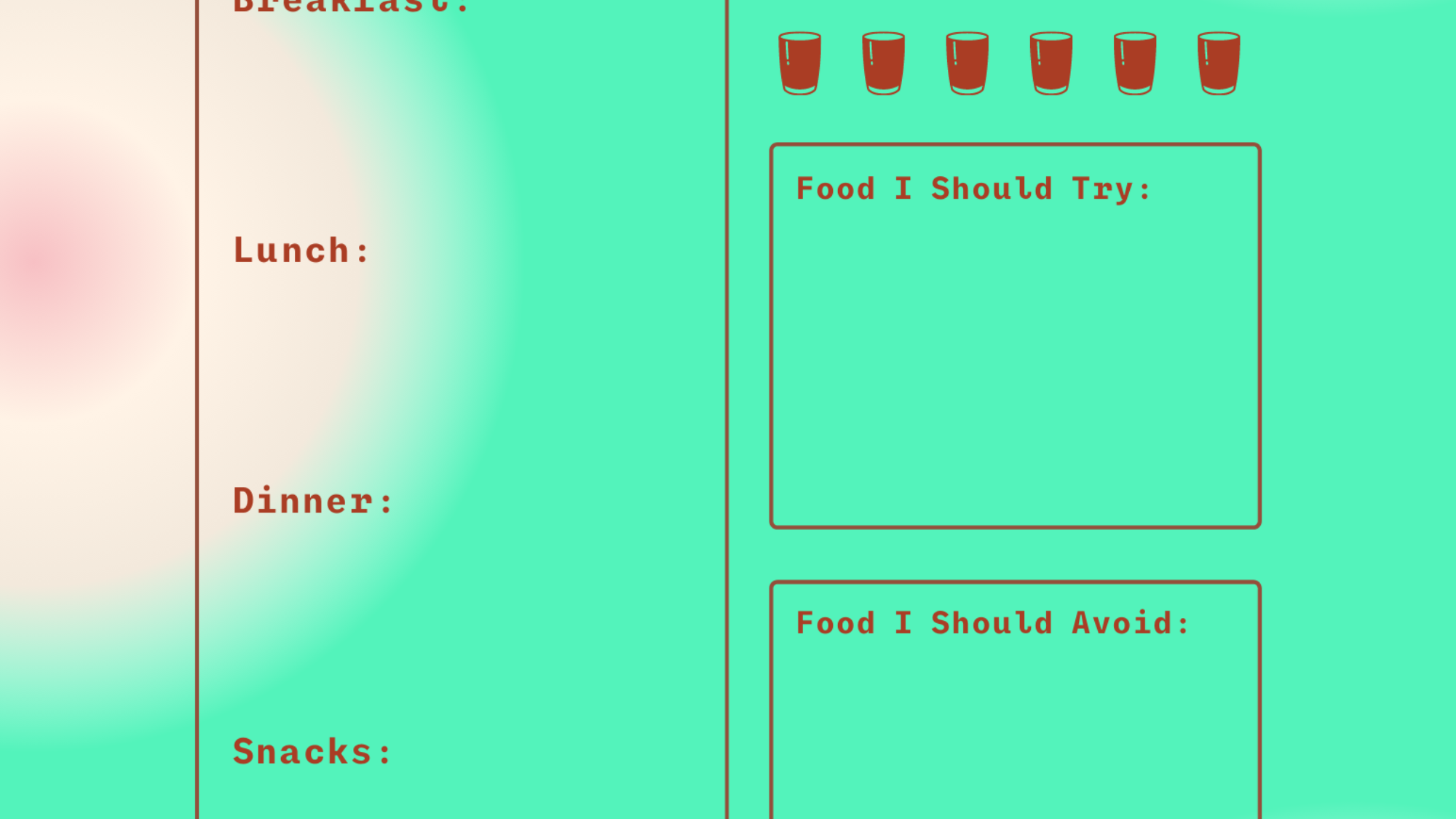
Better Meal planning can be an excellent way to upgrade your relationship with food. There are several benefits to figuring out (and prepping) what you’ll be eating in advance.
Meal planning can minimize the amount you spend on food shopping. Better Meal planning is also about Buying a bulk ingredient (like chicken) and using it in several meals.
You can also give yourself a clear list of ingredients to follow when you go to the grocery store. This means you’re less likely to go “off-budget” than if you were browsing the aisles.
Plus, meal planning can help you stick to your diet. If you’re trying to cut down on fast food, having your meals already prepared is a great way to get started.
So, where exactly do you get started with meal planning?
Successful meal planning doesn’t mean you must spend hours scouring a cookbook every night to develop new, affordable recipes. While it helps to look for new ideas occasionally, you can start with some of your favourites.
Pick meals you’ll be happy to eat at any time that are relatively easy to make. It’s also worth focusing on food that doesn’t cost a fortune.
Starting with the meals you already feel comfortable with means you don’t have to learn how to cook something new from scratch.
You may stumble across the occasional recipe you want to try. Find a designated place to store those recipes for later reference.
For instance, you might have a folder in your kitchen to turn to when you’re running out of ideas. You may want to use a Pinterest board to visually browse your options at a glance and see what makes your stomach rumble.
At the beginning of each week, choose a couple of different types of protein, one or two grains, and a vegetable collection. You can prepare all of these foods in advance, then look for ways to incorporate them into different meals as you go.
For instance, if you start with bacon and sweetcorn, you can have a pizza on Monday, wraps on Tuesday, a pasta dish on Wednesday and so on.
This is a fantastic way to reduce your meal prep time. It can also save you some serious cash, as you can buy a selection of items in bulk rather than paying for a wide range of individual ingredients.
Frozen ingredients are your friend because they can be easily divided into different meals according to your needs. For example, you can divide a bag of frozen vegetables between several meals throughout the week and get them prepped in no time.
Not only do frozen products save you time, but they can also save you cash. It’s usually more affordable to buy frozen food than to go fresh every time. You don’t need to stick to frozen for every meal, but you might find it makes meal prepping easier.
When organising meals for the whole family, it’s easy to get hyper-focused and forget about simple things, like asking your loved ones what they want.
Talking to your roommates and family about what they might like to eat will inspire you if you run out of ideas.
You’ll also get the extra benefit of knowing the meals you cook are ones your loved ones will look forward to eating. This can make life much easier if you’re a parent and plan meals for kids.
Meal prepping and planning are great ways to control your budget and time. However, it’s not always easy to follow a schedule. There will be times when you feel your planned meal for the evening just isn’t the right choice, given the circumstances.
With that in mind, give yourself the freedom to skip that day and cook whatever you like.
Plan a lazy night every week when you can make whatever you want without worrying about using pre-prepped ingredients and recipes. If you make your pre-prepped meals freezer-friendly, you can always eat them another day without waste.
Remember, better meal planning can be an excellent way to upgrade your relationship with food.
Keep a weekly-to-week routine when planning your meals to reduce confusion about what to eat. Planning spells success!
I hope these strategies are helpful to you.

Ensure you subscribe—it’s free. We advocate preventive, holistic care, particularly for women over 50.
In the meantime, Live Life on Purpose Because Your Wellness Matters!
Affiliate Link: Got a YouTube channel? To Get More Views and Subscribers, click this link to get your free TubeBuddy today. https://www.Tubebuddy.com/pricing?a=Wellness4Women
DISCLAIMER: Remember, your safety is our priority. If you’re new to psychological therapy, exercise, nutrition, or fitness or planning to start, it’s crucial to consult your physician. This blog/video is for educational purposes and is not a substitute for professional medical advice or treatment. Your health and wellness matters, so please be safe.
Is the idea focus all Bananas?? Let’s Find out!
Is eating a banana split or a tofu sandwich on whole-grain bread more enjoyable?
Is it more pleasurable to watch your favourite old movie for the ninth time or to spend that time at the gym?
One option is much more enjoyable in the short term but adds to your long-term pain.
The best long-term choices aren’t much fun in the short term. It’s a cruel joke.
This mindset is the primary cause of procrastination.
Instead of asking yourself what would feel good right now, ask yourself what you can do to benefit yourself in the future.
One tofu sandwich instead of a bacon cheeseburger might not significantly impact today, but it will make a massive difference if you make it a habit.
Imagine your decision replicated every day for the next five years. What would be the logical result?
Imagine eating that banana split every day for five long years. Will your physique and health improve or worsen? Is the idea of focus all Bananas?
What’s pleasurable in the short term is often detrimental in the long term.
So now, after reading this, I am asking you the question: Is Focus all Bannas?
For More articles like these, Click Here
I hope these strategies are helpful to you.
Ensure you subscribe—it’s free. We advocate preventive, holistic care, particularly for women over 50.
In the meantime, Live Life on Purpose Because Your Wellness Matters!
Affiliate Link: Got a YouTube channel? To Get More Views and Subscribers, click this link to get your free TubeBuddy today. https://www.Tubebuddy.com/pricing?a=Wellness4Women
DISCLAIMER: Remember, your safety is our priority. If you’re new to psychological therapy, exercise, nutrition, or fitness or planning to start, it’s crucial to consult your physician. This blog/video is for educational purposes and is not a substitute for professional medical advice or treatment. Your health and wellness matters, so please be safe.

Some of my clients ask me why should they bother with personal development. It seems like a lot of work for nothing!
Although it may often seem like hard work with no quick results. Personal development and joy are integral to leading a meaningful and satisfying life.
In my experience, personal development is a continuous journey of self-improvement.
Self-discovery and pursuing personal goals lead to a deeper sense of purpose and contentment.

We need to be proactive in our approach to our own development.
Personal development is the conscious pursuit of personal growth. It’s about expanding our minds to self-awareness.
Improving skills and cultivating virtues are crucial to your self-development.
To elevate your self-development, you must set and work towards goals that align with your values and aspirations.
This process is not limited to any single aspect of life but encompasses all areas, including emotional, intellectual, social, physical, and spiritual growth.
Personal development is about becoming the best version of yourself?—?as you see your best self.
It involves learning new skills, gaining knowledge, and improving emotional intelligence. This could mean anything from career advancement to enhancing interpersonal relationships, improving physical health, or cultivating a positive mindset.
Personal development is an effort on your part. It requires self-reflection, commitment, and the willingness to step out of one’s comfort zone.
Joy is living a fulfilled life. Joy is the feeling of satisfaction and contentment that comes from living in alignment with one’s values and achieving personal goals. It is the sense of completeness and happiness.
This arises when individuals feel they are on the right path and progressing toward their life’s purpose.
Joy is deeply personal and varies from person to person. For some, it might be found in a successful career, while for others, it might be in nurturing relationships, creative expression, or contributing to a cause greater than themselves.
It’s important to note that joy leads to fulfilment but is not a destination but a state of being.
It is achieved through the journey of personal development, as one continuously strives to live authentically and meaningfully.
Personal development and fulfilment are interconnected.
Pursuing personal development leads to fulfilment.
The feeling of fulfilment encourages further personal growth.
This cycle creates a positive feedback loop where the more one grows.
The more fulfilled you feel, the more fulfilled you feel, the more you seek further growth.
However, the journey is not always straightforward. It often involves overcoming obstacles, facing fears, and dealing with setbacks.
However, we learn and grow the most through these challenges. Each step, whether a success or a failure, contributes to your development and brings you closer to fulfilment.
If your interest has been caught so far, write down these next steps to help you develop your life into what you have always wanted.
1. Set Clear Goals: Define what you want to achieve in different areas of your life. Ensure these goals align with your values and passions.
2. Continuous Learning: Engage in lifelong learning, whether through formal education, reading, or new experiences. Stay curious and open-minded.
3. Self-Reflection: Regularly reflect on your experiences, emotions, and actions. This helps you better understand yourself and make informed decisions.
4. Build Resilience: Develop the ability to bounce back from setbacks. Resilience is key to maintaining momentum in your personal development journey.
5. Cultivate Positive Relationships: Surround yourself with supportive and like-minded individuals who inspire and motivate you.
6. Practice Gratitude: Regularly acknowledge and appreciate the positive aspects of your life. Gratitude fosters a positive mindset, which is crucial for fulfilment.
Personal development and fulfilment are lifelong endeavours that require intentionality, effort, and persistence.
Continue to work on yourself and align your actions with core values. You can lead a life of purpose and satisfaction and ultimately achieve a deep sense of fulfilment.
For More Free Articles like these, click here
Affiliate Link: Got a YouTube channel? To Get More Views and Subscribers, click this link to get your free TubeBuddy today. https://www.Tubebuddy.com/pricing?a=Wellness4Women
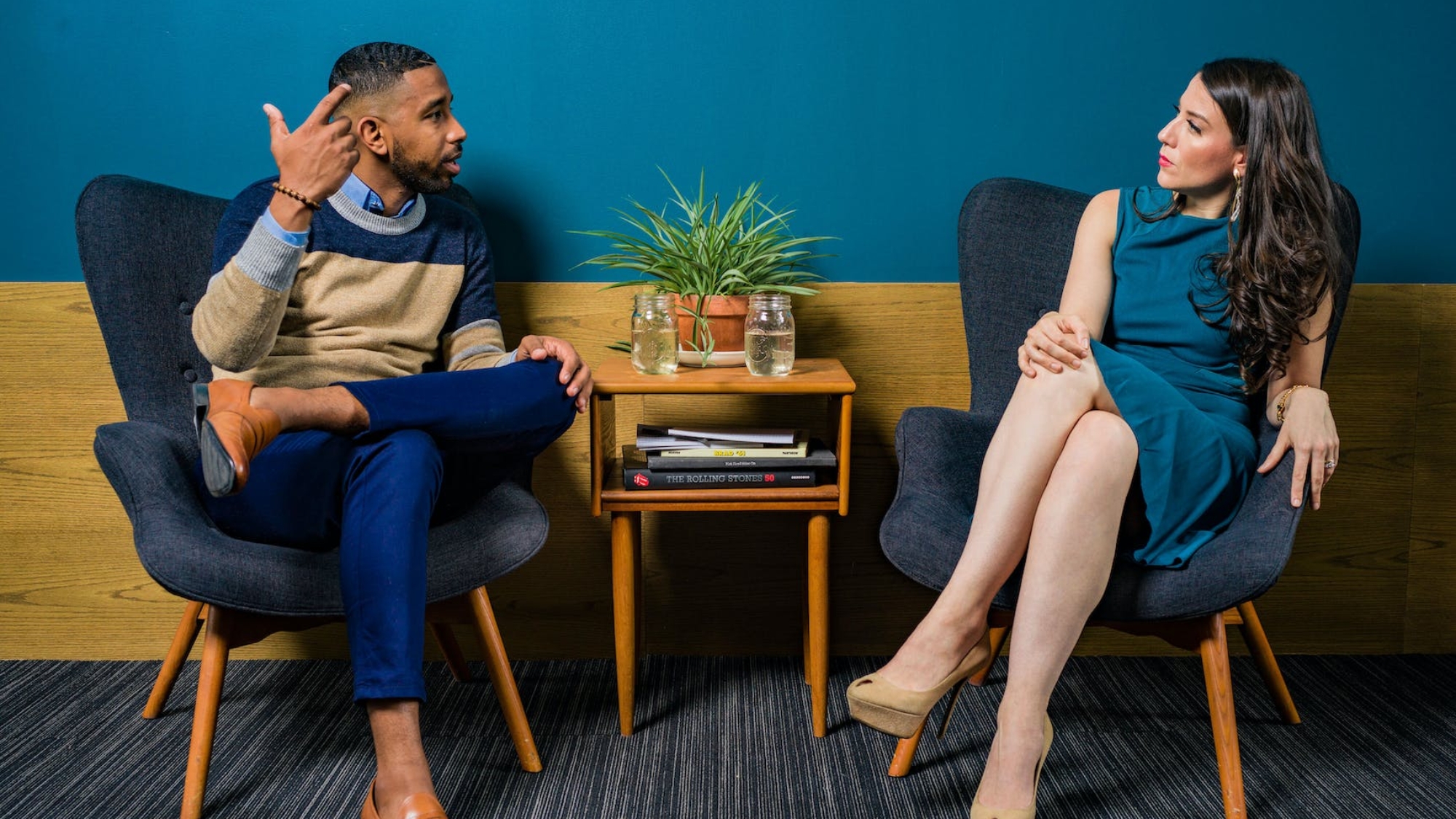
The best way to never gain traction in life is to never make a decision or to constantly change your mind. So, Stop Changing Your Mind!
Do you regularly change your plans? Do you keep changing your mind?
Regularly changing your plans is a great way to feel like you’re doing something without ever making any progress. It’s ingenious!
You know the type. The person decides he’s going to medical school. He then decides he’s going to medical school.
He buys a guitar. Then, he decides to become a professional blogger before the first set of strings are worn out. It’s insidious.
This person feels like he’s doing great things. He has big plans, and any of them could work. Yet, they’ll never be fruitful unless he can stick with the plan.
It’s no different than starting in Edinburgh and driving three hours toward Bristol.
Then three hours toward London, and then three hours toward Derby. Where do you end up?
Not a place you planned to go or somewhere you want to be!
It’s easier to maintain bigger decisions if you maintain your smaller decisions.
When you make plans to meet to meet your friends?—?don’t bow out!.
When you clean the garage, clean the entire garage.
Wash all the dishes, even the crusty frying pan. Avoid leaving it until morning.
When you feel bogged down, it’s because the present is uncomfortable.
Turn your attention to the ideal outcome.
The doubt and frustration you’re feeling will melt away.
You can only change your mind if your mind starts to wander.
Pay attention to today. Avoid looking ahead at all the work that lies in the future. Instead, manage each day as it comes.
Don’t expect to make perfect decisions?—?none of us do. Decisions only work out well if you stick with them. To make perfect decisions?—?none of us do. Decisions only work
Persistence is an invaluable quality. Make your decisions. More importantly, avoid changing your mind!
Desire is the key to motivation, but it’s your determination—your commitment to an unrelenting pursuit of your goal—that wins.
Stop changing your mind. Make a commitment to excellence. Then, you will be able to achieve the success you seek.
If you enjoyed this article, click HERE for more free blogs.
I hope these strategies are helpful to you.
Ensure you subscribe—it’s free. We advocate preventive, holistic care, particularly for women over 50.
In the meantime, Live Life on Purpose Because Your Wellness Matters!
Affiliate Link: Got a YouTube channel? To Get More Views and Subscribers, click this link to get your free TubeBuddy today. https://www.Tubebuddy.com/pricing?a=Wellness4Women
Poor decisions are the equal of starting a journey in the wrong direction. You might get there, but it will be a longer journey. You Make Decisions Poorly. This article may be of help.
Making decisions poorly is only sometimes a path to failure. Those who have never failed- have never made anything.
Consider how a few poor decisions can create significant challenges in your life. And decide and learn to do better.
I have fallen on this one. I have failed time and time again to trust my gut, and I have been in very sticky situations all because I failed to trust my heart.
When making big decisions, it’s often best to trust your heart. Be logical with the little choices, but go with your gut when making the big decisions.
No, you’re not going to leave a big decision to chance.
Flip a coin and then check your emotions.
Before you look at the coin, you’ll notice that part of you hopes for a particular result. That’s your answer!
If you don’t have a vision for your life, create one now. I have many blogs on my website to help you to find a mission and vision for yourself- here
Consider where you want to be.
Once you know where you’re going, it’s much easier to choose a path. Align your decisions with that aim.
List the pros and cons and make an intelligent decision based on the facts. Think about the short-term and long-term implications. When I made an effort to do this, This has worked for me to make the right decision.
Those who struggle sacrifice the future for a short-term benefit.
List the pros and cons and make an intelligent decision based on the facts. Think about the short-term and long-term implications.
let a wise friend choose for you. Most of us have that friend who lives a charmed life. If you trust them, ask for advice and follow it.
However, don’t try to avoid taking responsibility for your life. But a wise friend can be of great help if you are stuck.
Do you make poor decisions? Most of the challenges you’ve faced started with a poor decision.
I have made MANY poor decisions! But we should never give up, should we?
Be kind to yourself. Respect your decisions. Avoid procrastinating, but make wise decisions. Slowly, your success in life will grow. Remember- Making decisions poorly is only sometimes a path to failure. Those who have never failed- have never made anything.
If you enjoyed this article, Click HERE for more free blogs
I hope these strategies are helpful to you.
Ensure you subscribe—it’s free. We advocate preventive, holistic care, particularly for women over 50.
In the meantime, Live Life on Purpose Because Your Wellness Matters!
Affiliate Link: Got a YouTube channel? To Get More Views and Subscribers, click this link to get your free TubeBuddy today. https://www.Tubebuddy.com/pricing?a=Wellness4Women

You might think that success is challenging and failing is easy. On the contrary, it’s pretty tricky to be unsuccessful consistently. It requires several habits that aren’t easy to create and maintain. So, how does a Moderate Decision Still Lead to Positive Outcomes? How a Mediocre Decision Can Still Lead to Positive Outcomes. Can a mediocre decision be pursued and give good results?
Chronic unproductivity also requires an inaccurate belief system. The problem is poor attitudes—in other words, mindset. It takes many years of honing a system that guarantees failure. It’s a skill.
It’s not easy to make short decisions like clockwork. Those who fail are true experts who have mastered their craft.
The good news is that it’s as easy to be successful!
Success requires the same commitment to consistency. It’s only necessary to be consistent with a different set of actions. If ineffectiveness comes to you, you likely have what it takes to be a great success, too.
Are the oversights making you ineffective in life?
If so, you’ll be glad to see easy strategies you can use to reverse these habits!
“Success is not the key to happiness. Happiness is the key to success. If you love what you are doing, you will be successful.” – – Albert Schweitzer —
If you’re committed to ending up nowhere, never make a decision. In fact, failing to make a decision is the same as choosing chaos and failure. Life is messy. Not making decisions invites chaos into your life.
To combat the disorder or entropy, one must make decisions and work productively toward them.
A mediocre decision can be pursued and yield good results. Still, you want to aim high and learn to make good ones.
Give yourself enough time to decide, and then force yourself to make a choice. The deadline might be one minute or a month, but set a reasonable deadline to gather the necessary information and make a choice.
What’s most important to you? Do any of your options resonate more with your values than the others?
Make your decisions in line with your goals, and you’ll rarely make a poor choice.
Do you struggle with making decisions? Progress comes to a halt until a decision is made. Make your decisions well.
Remember: A mediocre decision pursued can also give good results.
I hope these strategies are helpful to you.
Ensure you subscribe- it’s free. We advocate preventive, holistic care, particularly for women over 50.
In the meantime, Live Life on Purpose Because Your Wellness Matters!
Affiliate Link: Got a YouTube channel? To Get More Views and Subscribers, click this link to get your free TubeBuddy today. https://www.Tubebuddy.com/pricing?a=Wellness4Women

I want you to know that we’re all on this journey together, and nothing in life is perfect.
Let me back up a little bit and share some context about my high-protein diet. I needed to lose ½ stone, which is 7lb. I have been trying diligently for quite a long time now.
I reduced my calories to 1200, virtually eliminating carbohydrates and concentrating on proteins and low fat. But the problem is that I didn’t finish many of my meals or even reach the 1200-calorie mark because I just wasn’t hungry.
Now, at 69, I understand that as we get older, we do lose appetite. We don’t get hungry like we used to when we were young.
Despite my workout weight regime, cardio schedule, and 10,000 steps per day, I just wasn’t getting hungry. So, I would miss meals and call it intermittent fasting.
Despite my efforts, I was getting bloated, and my weight rose above nine stone. This caused me upset and distress because I saw nothing for my efforts.
I became quite despondent and stopped using the MyFitnessPal app. I used to record my meals in Fitness Pal, but I stopped doing that.
I began to eat when I wanted and any old how.
Understandably, my weight ballooned to another 7lb, which is a considerable amount on my 4-foot 11-inch frame.
Feeling dreadful, I prayed about it and asked God to help me. I began to search for owners online. I eventually came across a Fitness and health expert on YouTube and binged-watched her videos.
Finally, I figured out the problem: why I was putting on weight despite my careful meal and exercise planning.
Through Michelle’s channel, I realised that I wasn’t eating enough.
Although I was eating the right things, I wasn’t eating the correct quantities to sustain my energy levels and build lean muscle. My body became stressed and hung onto every ounce of fat.
Michelle suggested that we should eat even when we do not feel hungry and not wait to feel hungry to eat. She said we must fuel our bodies daily to sustain energy and strength.
So, according to Michelle’s suggestions, I have written a new strength workout regime and meal plan for myself.
I’ve just returned from the supermarket after buying all the food I need, and I’ll keep you posted on how I get on.
But in the meantime, I want to help those who may be in my position.
Perhaps you’re not hungry, you’re not eating, your energy levels are low, you’re tired, or you feel weak. If so, then this blog is for you.
I will also link one of Michelle’s videos about protein and strength training Here.

You can lose weight on a high-protein diet. High protein diets can help you lose weight, but are there any hidden costs? Take a look at what medical experts have to say about the pros and cons of eating more protein.
1. Understand your needs. The average American gets about 16% of their daily calories from protein, which is slightly more than the minimum Recommended Dietary Allowance of 10%. While diets like Atkins advocate consuming as much as 50% protein, most experts suggest sticking to a range of 15 to 35%.
2. Feel full. Protein does suppress your appetite, so you’re less likely to feel hungry. This will stop you from consuming junk food. You may still need other weight loss strategies if you’re dealing with issues like emotional overeating or lack of physical activity.
3. Switch your calories. Naturally, you’ll gain weight if you add more protein to your usual fare. Try replacing sugary foods with high-protein snacks like roasted chickpeas.
4. Choose wisely. Look for lean protein sources, and limit processed meat. Good options include fish, beans, eggs, low-fat dairy products, and skinless poultry. There are plenty of choices for both vegetarians and meat eaters.
5. Eat vegetables. Aim for at least seven small servings of fresh vegetables and fruits a day. They’re usually high in nutrients and low in calories, and most contain some protein.
6. Drink water. Extra protein can leave you feeling dehydrated. Carry around a water bottle and drink tea.
7. Spread it out. Your body uses protein more efficiently if you include it in each meal and snack rather than waiting for dinner. Enjoy an omelet or fish sandwich for breakfast. Snack on yoghurt and nuts.
8. Make lasting changes. To keep weight off, you’ll need to make lifestyle changes you can maintain for years. A diet with a variety of foods is safer and easier than an extremely high protein regimen.
1. Take extra care. A little extra protein is safe for most adults, but some conditions require precautions. Very high protein intake may aggravate kidney troubles or contribute to osteoporosis.
2. Adjust for life changes. There are also times when you may need more protein, including pregnancy and old age. Extra protein can slow down muscle loss for seniors, which interests me as I am a senior. Sadly, many older people become frail due to insufficient protein.
3. Muscle up. Regardless of your age, protein also helps muscle recovery after vigorous workouts, especially if you lift weights. If you spend a lot of time at the gym, you may need to aim for the upper range and get 20% to 35% of your calories from protein.
4. Focus on whole foods. Protein bars are convenient, but many brands have as much sugar as a candy bar. Read the labels, and save them for special occasions like travel. Quick salads and stir-fries will provide more nutrients almost as quickly when you’re at home.
5. Save your money. Manufacturers know that protein is popular now, so supermarkets are full of high-protein breakfast cereals and peanut butter. If the prices look expensive, rest assured that you can easily meet your protein needs with less expensive foods like eggs and tofu.
6. Talk with your doctor. Your doctor can advise you about protein consumption and weight loss strategies appropriate for your individual needs.
Ask for a referral to a nutritionist if you want more information.
A balanced diet and daily exercise are still the ideal ways to manage your weight. Foods rich in protein can help you feel full with fewer calories, especially if you choose lean versions, and eat them in combination with complex carbohydrates and healthy fats.
I hope ” my article on High Protein Diet is helpful to you.
If so, let me know in the comments. For more articles like these, click here.
I hope these strategies are helpful to you.
Ensure you subscribe- it’s free. We advocate preventive, holistic care.
In the meantime, Live Life on Purpose Because Your Wellness Matters!
Affiliate Link: Got a YouTube channel? To Get More Views and Subscribers, click this link to get your free TubeBuddy today. https://www.Tubebuddy.com/pricing?a=Wellness4Women
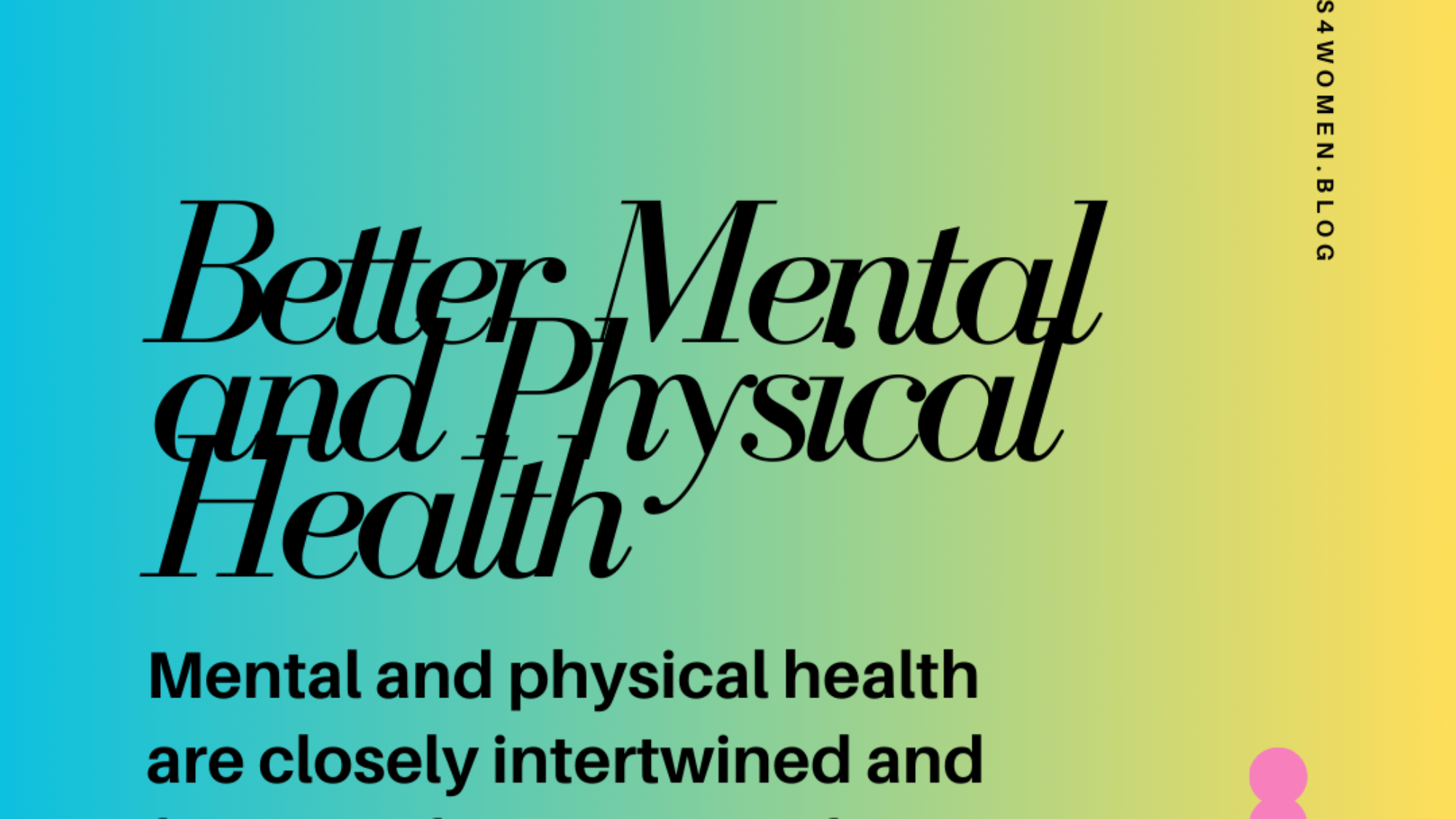
The pursuit of better mental and physical health involves adopting habits, practices, and mindsets that support holistic wellness.
We all know that life is full of challenges ranging from everyday stressors to significant hardships that can test our resilience and resolve. So, today’s question is, how do you find the way through life’s challenges?
How we cope with these challenges is largely determined by our mindset.
The attitudes, beliefs, and mental frameworks we bring to difficult situations determine the outcome.
Here, we discuss how Developing a robust and adaptive mindset is crucial for effectively finding a way through life’s challenges and navigating life’s ups and downs.
This article will help you foster resilience and ultimately emerge stronger from adversity. So, Let’s Get started!

Mindset is the lens through which we view the world and interpret our experiences.
Our mindset shapes our responses to challenges and influences our emotional and psychological well-being.
Psychologist Carol Dweck popularised a “fixed” versus “growth” mindset.
A fixed mindset assumes that abilities and intelligence are static, leading to a fear of failure and avoidance of challenges.
In contrast, a growth mindset embraces challenges as opportunities to learn and grow, viewing failure as a stepping stone to success.
A growth mindset is invaluable when it comes to coping with life’s challenges. It fosters resilience, adaptability, and a proactive approach to problem-solving.
Individuals with a growth mindset are more likely to persevere through difficulties, learn from setbacks, and maintain a positive outlook even in the face of adversity.
Resilience is the ability to bounce back from adversity, adapt to change, and keep moving forward despite difficulties. It is closely tied to mindset. A resilient mindset enables us to view challenges as temporary and surmountable rather than insurmountable obstacles.
Resilient people focus on what they can control rather than what they cannot.
Resilient people maintain a sense of hope and optimism even in tough times.
Building resilience involves several key practices:
Acknowledging that challenges and setbacks are a natural part of life is the first step in coping effectively.
Acceptance does not mean resignation but rather a realistic understanding of the situation, which allows for more effective problem-solving.
Managing emotions is crucial in maintaining a balanced mindset during challenging times.
Techniques such as mindfulness, deep breathing, and meditation can help calm the mind. Mindfulness reduces stress, making it easier to respond thoughtfully rather than react impulsively.
Reframing negative situations in a more positive or neutral light can reduce their emotional impact. Instead of viewing a failure as a disaster, one might see it as a learning experience that provides valuable insights for future efforts.
An effective mindset for coping with challenges includes strong problem-solving skills. These skills involve breaking down challenges into manageable parts. Parts like brainstorming potential solutions and taking decisive action will address the issue.
I know I have previously mentioned self-compassion. The topic of self-compliance frequently appears in my blogs and videos.
Coping with life’s challenges involves being strong and resilient and being kind and compassionate toward oneself.
Self-compassion means treating oneself with the same understanding and care that one would offer a friend facing a similar situation. It involves recognising that suffering, failure, and imperfection are part of the human experience.
Self-compassion helps us to avoid the trap of self-criticism and negative self-talk.
Negative talk exacerbates stress and makes challenges seem even more daunting.
Instead, it encourages a supportive internal dialogue, fostering resilience and a more balanced perspective on difficult situations.
For More Articles like this One- Click Here.
I hope Find the Way through Life’s Challenges is helpful to you.
Ensure you subscribe- it’s free.
In the meantime,
Live Life on Purpose Because Your Wellness Matters!
Affiliate Link: Got a YouTube channel? To Get More Views and Subscribers, click this link to get your free TubeBuddy today. https://www.Tubebuddy.com/pricing?a=Wellness4Women

Changing your mindset is about self-growth. Self-growth to a happier life is a deep and radical process that leads to self-improvement.
Our personal development radically changes our environment through our influence.
Not only do people around us benefit from our positive mindset, but it also improves our thoughts and health, thus promoting self-growth.
Self-growth and a happier life process are vital to your overall happiness. It gives you joy and makes others more aware of how they can live a more satisfying life.
Read on for more tips on how to Elevate your life for joy and contentment.
Personal growth comes from bettering your life. It involves experimenting with new things, trying new experiences, and acquiring new skills. Such development raises a sense of happiness by constantly challenging oneself to grow. In this way, you can get closer to what you truly love doing, giving you a stronger feeling of joy and peace.
In most cases, attempting to improve your life would mean adopting healthier habits and staying focused, which is the key to success in anything worth achieving.
Enjoy the journey from being good to being great. Your mindset is key to fulfilling your mental and physical well-being goals.
Improving one’s life leads to better relationships. The happier and more contented we are, the better our attitude toward others is.
This can enable us to build strong, familiar ties with our relatives, friends, and colleagues. At the same time, attempts at self-improvement could serve as encouragement or a source of inspiration for those around you.
Your positivity can create a supportive and optimistic environment for others.
Whenever you decide to Elevate your mindset for a better life, you usually have objectives in mind. You must set objectives that are quite clear in your mind. But sometimes, you may struggle to accomplish them. This is where a positive mindset comes in.
Focusing and putting more effort into your mindset can enhance your productivity in various aspects of life. Your mindset will show up at work, on personal projects, or in anything else someone may do.
Improve yourself and strive for excellence to position yourself on the topmost levels of success and open many opportunities for yourself.
Elevating your mindset is beneficial not only to yourself but also makes it possible for you to contribute effectively to society. Research has shown that true happiness comes from serving others unselfishly.
Life is filled with challenges and uncertainties. By working towards improving one’s mindset, one gains resilience and adaptability. This means learning from failures, being skilled at solving problems, and retaining positivism even when times are hard.
Learning from failures is the quality that matters most when dealing with life’s ups and downs. It allows you to emerge stronger than before.
Lastly, you need to improve your life so that your effect will not fade easily. Aim to help others and leave something worthwhile in your wake.
Your positivity and success can have powerful long-term consequences for others. History bears witness to people who have influenced society for good because of their optimism, which led to their success. They had a hold of their mindset and did not allow negativity to dominate their lives.
Improving your life is necessary and beneficial, bringing numerous benefits. It helps you grow, stay healthy, strengthen relationships, work better, and contribute positively to society.
By devoting yourself to Self-Growth, you can live a more fulfilling, influential, and joyful existence.
For More Free Articles Like This One, Click Here
I hope my Seven Tips to a Happier Life. is helpful to you.
Ensure you subscribe- it’s free.
In the meantime,
Live Life on Purpose Because Your Wellness Matters!
Affiliate Link: Got a YouTube channel? To Get More Views and Subscribers, click this link to get your free TubeBuddy today. https://www.Tubebuddy.com/pricing?a=Wellness4Women
Are you going through a significant change in your life? Have you ever felt completely confused about what you should be doing? It’s even more confusing when you’re beyond middle age and going through dramatic life changes. Tips on the Power of Change: How to Thrive Through Life’s Transitions is the answer!
It can be disconcerting, upsetting and undoubtedly confusing. But how do we gather our thoughts and recognise our purposes to move us in the right direction?
I’m going through a similar transition, moving from a career of more than 40 years into something generally unknown territory.
It’s scary and very confusing. But I have found a sure and steady way forward that may help you if you find yourself in a similar position.
Life transitions can be both exciting and challenging, so here are Seven Tips on how to Embrace Change and Growth in Your Life.
It is well worth taking some time to think about what you want to achieve in the next phase of your life. You haven’t got time to waste, so seriously reflect on your values, passions, and long-term aspirations.
Determine where you are heading and why. Once you have a sense of where you want to go, set specific, achievable goals to work towards. Break them down into smaller steps to make them more manageable – have fun with it!
Avoid circumstances dictating to you, so put yourself in the driver’s seat by developing a plan of action to reach your goals. Consider what resources, skills, or support you might need along the way.
Being flexible reduces stress. Transitions can bring unexpected changes and challenges. Be prepared to adapt your plans as needed and stay open to new opportunities.
It’s easy to forget to look after yourself during transition periods, which can be stressful. Even more reason to so prioritise self-care. Ensure you’re getting enough rest, exercise, and healthy food, and find activities that help you relax and recharge.
If possible, don’t hesitate to reach out to friends, family, mentors, or support groups for guidance and encouragement. If possible, because many of my clients do not share the same values of holistic wellness as their family or friends, it can be a very lonely road indeed.
So, instead, listen to positive podcasts and videos and read uplifting books that will nurture you and motivate you towards your goals. Learning from others who have gone through similar transitions can provide valuable insight and perspective.
but purpose to maintain a positive outlook, even when things get tough. Focus on your progress and accomplishments, no matter how small, and celebrate your successes along the way.
I need to remind myself every now and then that transitions are a natural part of life, and while they can be challenging, they can be confusing.
However, at the same time, they also offer opportunities for growth and self-discovery. I hope these Seven Tips to How to Embrace Change and Growth in Your Life were helpful to you.
Trust in yourself and your decision-making abilities, and believe that you have what it takes to successfully navigate this period of change.
I’ll keep you posted on my journey, and let me know how you are doing. I wish you all the best of British luck as you navigate life’s transitions.
#PlanForSuccess.
How do you keep a positive outlook during illness? When you’re sick, it can be hard to stay positive. If it’s a cold or flu and passes quickly, things return to normal after a short time.
If you have a chronic, long-term, or life-threatening illness, that can be a much different challenge. I have to cope with illness by myself because I live alone.
So, if you’re unwell, let’s have a look at how to keep a positive attitude during illness.
With every illness, there are good and bad days. Sometimes, you’ll feel better than at other times.
Having good moments and staying positive overall, though, is possible even during illness.
When you first receive a diagnosis of a serious illness, it can be very difficult to cope with the fear and anger.
It’s natural to have these kinds of emotions, even if it’s counterproductive.
Give yourself some time to be upset, and then start focusing on all the good that’s still in your life.
There are many things to be thankful for, and staying positive can actually help you feel better longer.
You’ll also have a lot of questions you’ll want to ask, once the diagnosis has had some time to sink in.
When you ask questions, ensure you get the information you need from your doctor.
If the doctor seems indifferent, it may be time to get a second opinion or a doctor who has a better bedside manner, so you feel more hopeful.
With serious illnesses, you may remain sick for some time. If you spend your time thinking of the good things that are still available to you, you’ll still experience happiness.
Even small joys can keep you positive and peaceful when you allow yourself to feel the joy of the moment.
1. Spend time with loved ones. Use this time to get closer to those you care about. Rather than engaging in idle chitchat to pass the time, talk with them about things that really matter to both of you. Share your thoughts, feelings, and desires.
2. What can you do? Focus on things you’re still able to do and enjoy, as opposed to the things you can’t.
3. Help others. You’ll find that doing what you can to help others helps you as well. Focusing on the needs of other people can make you feel better about yourself.
For everyone who is facing a serious illness, there are people who are worse off in some way.
When you reach out to them, it puts your struggles in perspective and gives you someone to relate to.
4. Use positive affirmations. Replace worry and negative thoughts with positive statements as soon as they appear.
With repetition, you’ll begin to do this automatically. Soon, you’ll discover a more peaceful, positive, and joyful mindset, which can also help you physically.
You’ll still face challenging days and trying situations, but there’s happiness to be found even when you’re sick.
Even with a serious illness, it’s still possible to laugh, love, and experience great joy if you only allow it to come into your life.
I hope that how to keep a positive attitude during illness. And the Four Ways to Keep a Positive Attitude During Illness is helpful to you.
Ensure you subscribe- it’s free. And let me know if you are struggling with an illness and how you are coping with it.
In the meantime,
Live Life on Purpose Because Your Wellness Matters!

Could You Be Sleeping Too Much? When someone says they have sleep issues, you may assume they’re getting less than the recommended 7 to 9 hours. But you might be surprised to hear that the other extreme can be harmful, too.
Are you sleeping too much? In this blog, we explore whether you are sleeping too much and what you can do about it.
Oversleeping is a recognised sleep disorder called hypersomnia. It can have many causes and can affect your mental and physical health.
Some fluctuations are natural; even so, it’s worth investigating when you’re sleeping.
If you regularly sleep for over 9 hours and don’t feel refreshed, learn more about oversleeping and how to avoid it.
Ironically, many causes and consequences of oversleeping are similar to sleep deprivation. Recognising the symptoms is the first step toward making positive changes.
Talk therapy and medication may boost your mood and strengthen your coping strategies.

Focusing on the quality of your sleep can help you overcome hypersomnia, as well as insomnia.
Many experts believe how well you sleep is at least as important as how long you sleep.
For most adults, getting 7 to 9 hours of high-quality sleep each night is the winning formula for maintaining your health and productivity. If you need more help with sleeping too much or too little, talk with your doctor about your concerns.
To Learn More About Your Wellness, visit The Life Elevation Project, click HERE
Affiliate Link: Got a YouTube channel? To Get More Views and Subscribers, click this link to get your free TubeBuddy today. https://www.Tubebuddy.com/pricing?a=Wellness4Women
There was a time when I could not live without sugar. It wasn’t until I learned that sugar was ruining my immune system that I made a change. So, let’s talk about why and how to cut down on sugar.
You probably know that there are many important reasons to cut down on sugar. That includes losing weight and preventing cavities. If you need more motivation, you can think about your immune system, too.
A growing body of research has found that the sweet stuff can undermine immune functioning. Is sugar ruining your immune system? Sugar plays a significant role in diabetes and a wide variety of other metabolic disorders. So, to cut down on sugar is a sensible idea.
High blood sugar has also been associated with imbalances in gut bacteria, higher levels of inflammatory proteins, and increased rates of certain autoimmune diseases.
It’s a widespread issue because most adults eat way too much sugar. The recommended daily guidelines are 36 grams for men, and 25 for women. To put that in perspective, a can of soda contains about 32 grams.
Meanwhile, most of us eat about 77 grams, which is 3 times over the guidelines.
Satisfy your sweet tooth without putting yourself at higher risk for serious medical conditions. Try these suggestions for eating less sugar and boosting your immunity.

Sugar may be ruining your immune system. So, you have every reason to cut down on sugar. Here are a few tips on how to cut down on sugar.
Managing your sugar intake may be easier than you think. You cut down on sugar with focus and effort.
Learn to cook and enjoy delicious, whole foods while avoiding empty calories and enhancing your overall health and well-being.
To Learn More About Your Wellness, visit The Life Elevation Project, click HERE
Affiliate Link: Got a YouTube channel? To Get More Views and Subscribers, click this link to get your free TubeBuddy today. https://www.Tubebuddy.com/pricing?a=Wellness4Women
You’ve probably heard you need more calcium to have strong bones and a healthy body. However, are you aware of the risks of taking too much calcium? Did you know that calcium can be Dangerous?
A Big Warning – You can overdose on this mineral, and there are awful side effects.
I was taking calcium supplements until I learnt what I am sharing with you now.
It’s true that your body needs calcium. But it’s important to take the right amount. There is no doubt that this is an important mineral. But let’s be aware that too much calcium can Be dangerous and cause unwanted problems.
To understand why too much calcium can be dangerous, you need to be aware of how much calcium you need to take every day. The recommendations vary based on your age, gender, and health history.
In general, children need 1,000 to 1,300 mg a day.
Adults need 1,000 mg a day.
However, women over the age of 70 need 1,200 mg a day.
One of the most common side effects of taking too much calcium is constipation.
This usually occurs if you take too many supplements that have high levels of calcium. It’s rare for you to get constipation from calcium in foods, but it can happen if you overeat.
Passing a kidney stone is worse than giving birth- so I have been told. So, I don’t have to find out for myself, so understanding the risks is important. Be aware that you can have a higher risk of kidney stones from taking too much calcium.
Several studies have found that those who take excessive amounts of mineral supplements are more likely to develop kidney stones. The minerals build up within the kidneys, forming small stones.
By overdosing on calcium, you may notice several health issues at the same time.
Some of the most common issues are nausea, weakness and the loss of appetite. You may also experience excessive thirst. You may also have vomiting and feel unwell for a long period.
High levels of calcium can affect iron absorption in your body.
It’s also possible to have a more severe reaction from overdosing on calcium. An irregular heartbeat is a severe reaction to calcium overdose.
You may also have mental confusion and high blood pressure. One of the biggest risks is a coma – Scary!
Most experts agree that prevention is easier than cure. However, solving the issues that arise from taking too much calcium can be problematic.
Be careful with the supplements you take and how many vitamins you take at the same time. If you combine multiple pills and minerals, then you can easily overdose on calcium.
It’s important to discuss your calcium levels with a doctor. They can recommend diet changes and supplements that are safe.
It may be tempting to reach for a bottle of calcium supplements instead of working on your diet. However, you’re putting yourself at risk and may not be helping your body.
Nutritionists recommend that you focus on the food that you eat rather than trying to supplement with pills. The good news is that calcium is readily available in many foods.
You can find it in dairy products, but there are other options if you’re lactose intolerant or vegan.
Calcium is in kale and broccoli. Many dark leafy vegetables have high levels of this mineral. It’s also in salmon and sardines.
You can get more calcium by eating fortified foods. Cereals, breakfast bars, granola, and many others are good sources of calcium. Also, many kinds of nuts contain calcium.
Although too much calcium can be dangerous, it is considered an essential mineral for health. Calcium has multiple health benefits. Although your body requires it to be healthy, it’s essential to ensure you’re not taking too much.
In most cases, you’ll get better results by eating calcium-rich foods. Instead of taking supplements, but discuss your particular needs with your doctor.
Affiliate Link: Got a YouTube channel? To Get More Views and Subscribers, click this link to get your free TubeBuddy today. https://www.Tubebuddy.com/pricing?a=Wellness4Women
Sign up with your Name & Email & Don’t Miss the Upcoming Latest Updates.