A balanced approach that combines healthy eating, regular physical activity, and smart lifestyle habits.


A balanced approach that combines healthy eating, regular physical activity, and smart lifestyle habits.
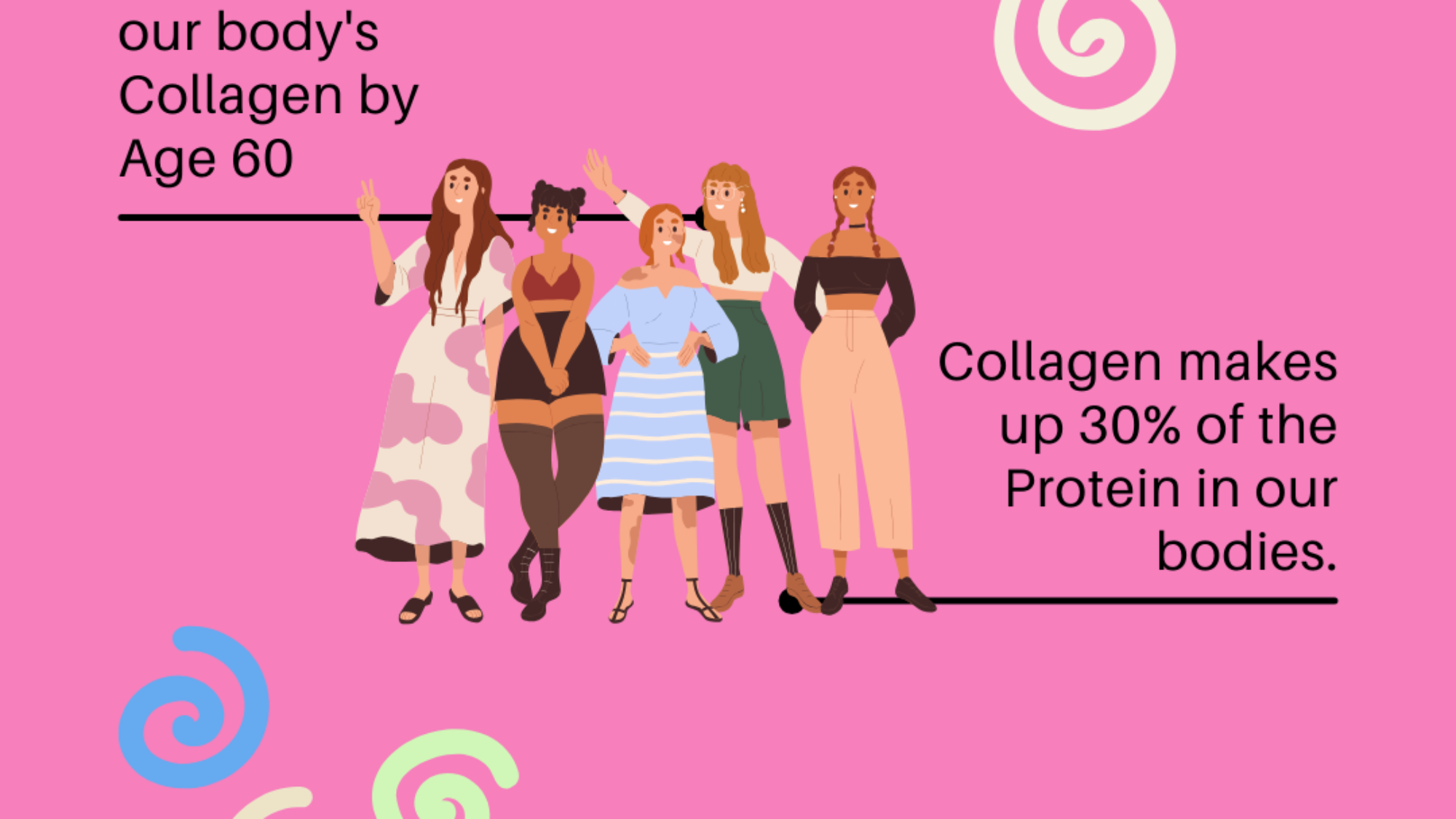
We all need collagen in our diet. Collagen is a term you might have heard used by beauty companies. Maybe you have seen it written on a bottle of wellness supplements. Collagen is one of the better-known substances in the human body. And it’s one of the most abundant proteins you have. For over 20 years, I have used collagen topically and in supplement form.
Collagen isn’t just the substance that determines whether your skin will continue looking youthful and fresh for as long as possible – it’s also the main component of the connective tissues making up various parts of your body.
Without collagen, you wouldn’t have your ligaments, skin, muscles, and tendons.
Here’s your guide to collagen and why it’s so important for good health.
Collagen is your body’s most abundant protein, responsible for forming critical tissues in your body and performing various functions (like strengthening your bones).
Scientists know of a total of 28 types of collagen. The most common four are:
The collagen naturally produced in your body begins to break down. And it becomes harder for your body to produce more. You can improve your collagen levels by getting more of the substance’s collagen needs to form into your diet.
For your body to produce collagen, you need a host of essential nutrients, including…
As you get older, your natural levels of collagen begin to drop. This is when you may consider taking collagen supplements.
Collagen is an essential component of many critical parts of your body, and it is essential to maintaining good health. Taking supplements can help you avoid a range of issues.
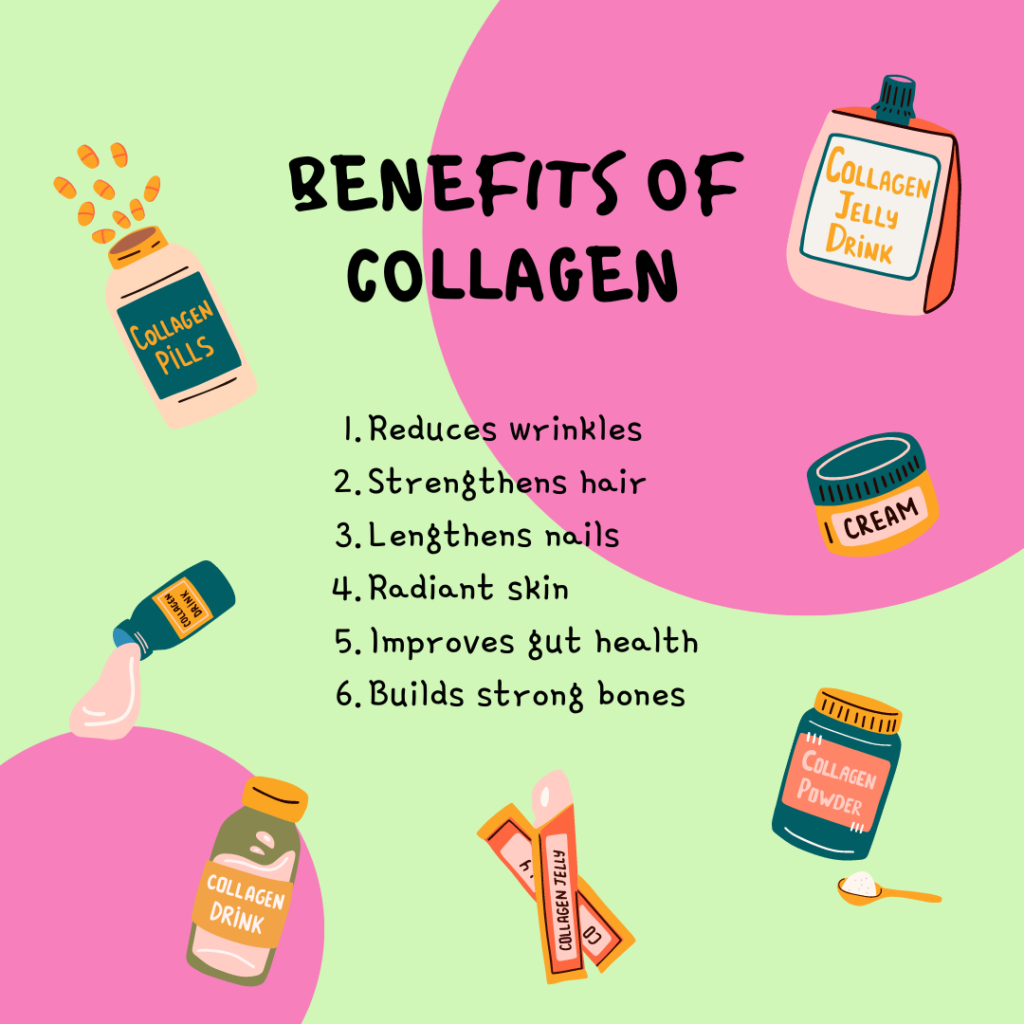
Some of the benefits of supplementation with collagen include:
Improved Skin Health
Collagen is an essential part of healthy skin, so it makes sense that collagen supplementation would improve skin health.
Studies show that collagen peptides and supplements can help slow the skin’s ageing and even improve its elasticity. Collagen can also help keep your body hydrated and may even stimulate the skin to produce collagen on its own.
Stronger Bones
As we age, our bones naturally become more brittle and less dense. They break more quickly and take a lot longer to heal.
Studies show a daily collagen supplement could be a valuable tool in making your bones denser and slowing some dangerous parts of the ageing process. Collagen supplements could also be helpful in assisting with the development of new bones.
Thicker Hair
Aside from making your skin healthier, collagen supplements could also help improve hair health. Women and men often experience hair thinning and even baldness as they age.
However, collagen may help to improve the health of the scalp and boost the strength of your hair. This could mean you’re less likely to experience hair loss.
Reduced Joint Pain
Collagen forms an important part of the substances between your joints (cartilage). As you age and your collagen levels decrease, your risk of degenerative diseases like osteoarthritis increases.
Some studies indicate collagen supplements may be useful for helping to minimise joint pain.
Researchers also believe collagen supplements may also accumulate in cartilage and stimulate the production of new collagen.
Healthier Nails
Investing in collagen supplements could be a good idea if your nails tend to break easily. Collagen helps form the substances that make up your nails and hair, so taking supplements could help create stronger nails.
Improved Muscle Mass
Collagen, the most abundant protein in the body, is crucial for building skeletal muscle. Some studies suggest collagen supplements may be effective in boosting muscle mass in people with muscle loss issues. This important mineral can help promote the synthesis of various other muscle proteins and stimulate muscle growth.
Better Heart Health
Researchers believe collagen supplements may be valuable for reducing the risk of heart conditions. This is because collagen helps to provide structure to your arteries.
Without enough collagen, arteries may become less flexible, which could lead to a higher risk of atherosclerosis.
There’s no arguing with the fact that collagen is one of the most important substances in your body. If you’re concerned that you don’t have enough of this essential protein as you’re getting older. Try taking a collagen supplement because it could be a helpful strategy as you age.
Just remember to talk to your doctor before you start supplementation.
To Learn More About Your Wellness, visit The Life Elevation Project, click HERE
Affiliate Link: Got a YouTube channel? To Get More Views and Subscribers, click this link to get your free TubeBuddy today. https://www.Tubebuddy.com/pricing?a=Wellness4Women
You’ve probably heard you need more calcium to have strong bones and a healthy body. However, are you aware of the risks of taking too much calcium? Did you know that calcium can be Dangerous?
A Big Warning – You can overdose on this mineral, and there are awful side effects.
I was taking calcium supplements until I learnt what I am sharing with you now.
It’s true that your body needs calcium. But it’s important to take the right amount. There is no doubt that this is an important mineral. But let’s be aware that too much calcium can Be dangerous and cause unwanted problems.
To understand why too much calcium can be dangerous, you need to be aware of how much calcium you need to take every day. The recommendations vary based on your age, gender, and health history.
In general, children need 1,000 to 1,300 mg a day.
Adults need 1,000 mg a day.
However, women over the age of 70 need 1,200 mg a day.
One of the most common side effects of taking too much calcium is constipation.
This usually occurs if you take too many supplements that have high levels of calcium. It’s rare for you to get constipation from calcium in foods, but it can happen if you overeat.
Passing a kidney stone is worse than giving birth- so I have been told. So, I don’t have to find out for myself, so understanding the risks is important. Be aware that you can have a higher risk of kidney stones from taking too much calcium.
Several studies have found that those who take excessive amounts of mineral supplements are more likely to develop kidney stones. The minerals build up within the kidneys, forming small stones.
By overdosing on calcium, you may notice several health issues at the same time.
Some of the most common issues are nausea, weakness and the loss of appetite. You may also experience excessive thirst. You may also have vomiting and feel unwell for a long period.
High levels of calcium can affect iron absorption in your body.
It’s also possible to have a more severe reaction from overdosing on calcium. An irregular heartbeat is a severe reaction to calcium overdose.
You may also have mental confusion and high blood pressure. One of the biggest risks is a coma – Scary!
Most experts agree that prevention is easier than cure. However, solving the issues that arise from taking too much calcium can be problematic.
Be careful with the supplements you take and how many vitamins you take at the same time. If you combine multiple pills and minerals, then you can easily overdose on calcium.
It’s important to discuss your calcium levels with a doctor. They can recommend diet changes and supplements that are safe.
It may be tempting to reach for a bottle of calcium supplements instead of working on your diet. However, you’re putting yourself at risk and may not be helping your body.
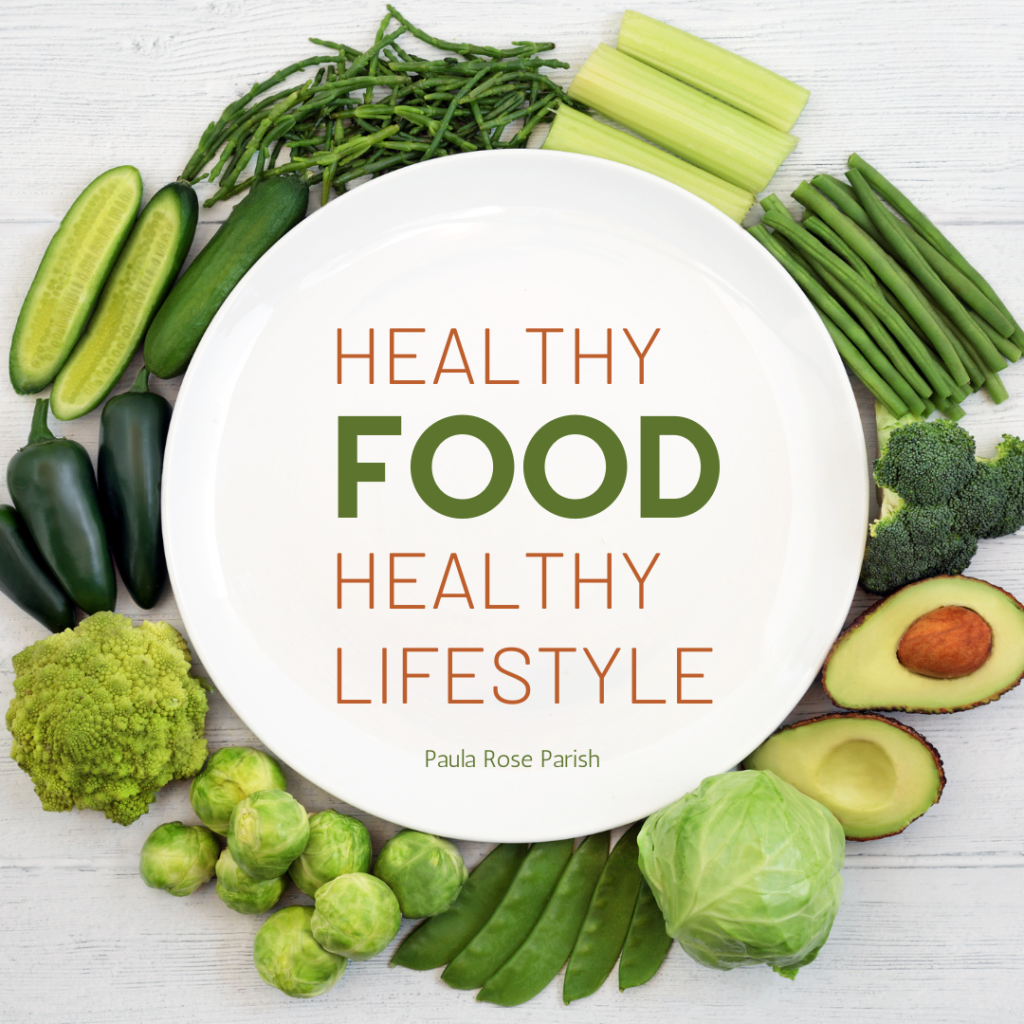
Nutritionists recommend that you focus on the food that you eat rather than trying to supplement with pills. The good news is that calcium is readily available in many foods.
You can find it in dairy products, but there are other options if you’re lactose intolerant or vegan.
Calcium is in kale and broccoli. Many dark leafy vegetables have high levels of this mineral. It’s also in salmon and sardines.
You can get more calcium by eating fortified foods. Cereals, breakfast bars, granola, and many others are good sources of calcium. Also, many kinds of nuts contain calcium.
Although too much calcium can be dangerous, it is considered an essential mineral for health. Calcium has multiple health benefits. Although your body requires it to be healthy, it’s essential to ensure you’re not taking too much.
In most cases, you’ll get better results by eating calcium-rich foods. Instead of taking supplements, but discuss your particular needs with your doctor.
Affiliate Link: Got a YouTube channel? To Get More Views and Subscribers, click this link to get your free TubeBuddy today. https://www.Tubebuddy.com/pricing?a=Wellness4Women

Why created a personalized diet for my optimal health…

While menopause is a natural process and cannot be avoided entirely, certain foods can help alleviate its symptoms…
Sign up with your Name & Email & Don’t Miss the Upcoming Latest Updates.