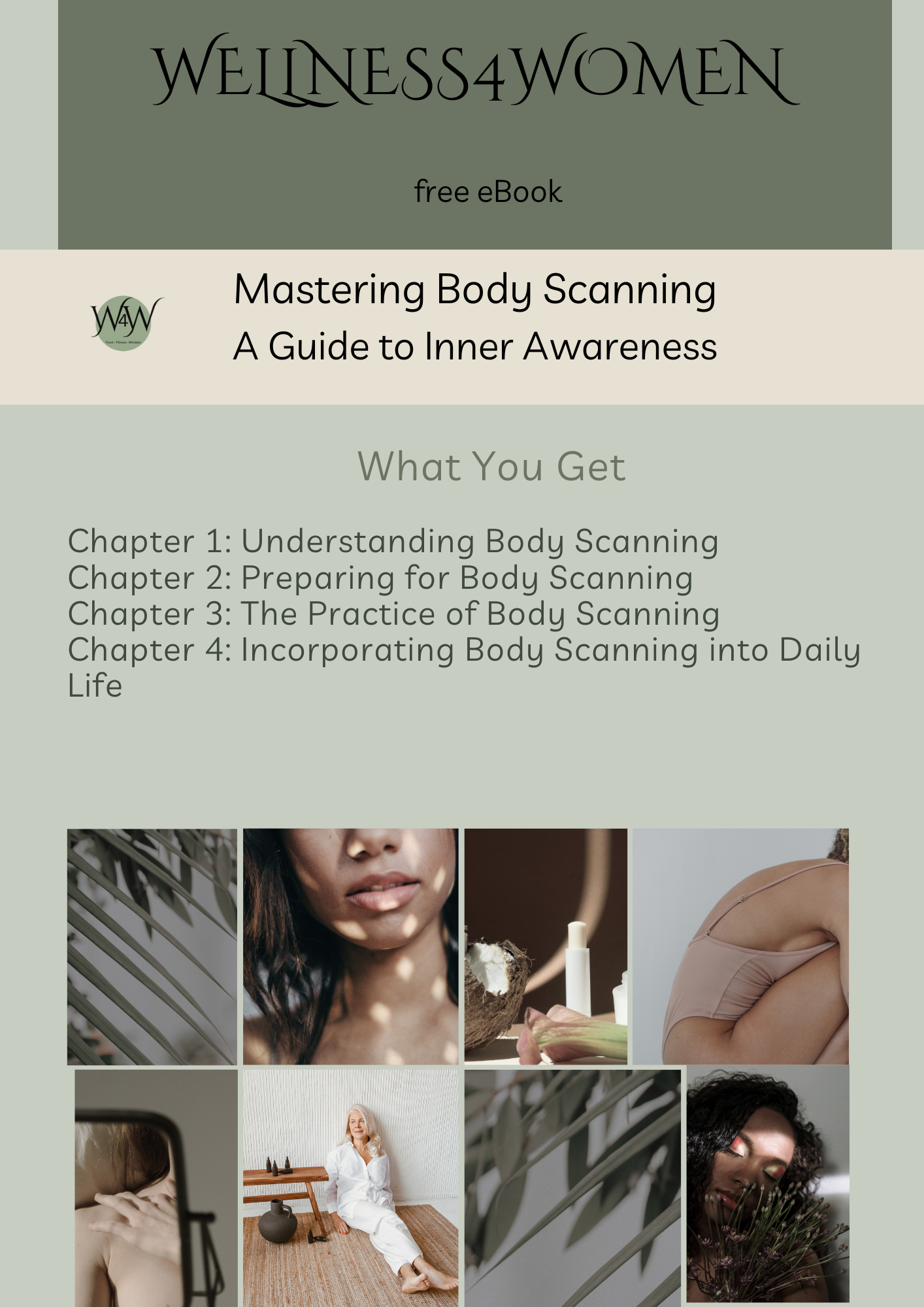
I have suffered from anxiety since a child. I daily struggled with it well into my mid-50s. Then, I discovered mindfulness. You may say- What is mindfulness? Here, we will discuss what it is and how it works. In this article, I share its benefits and why it works.
Mindfulness has gained significant attention in recent years, and for good reason. Commonly known as slow living, it has been proven to have many benefits for mental health and well-being. It is an ancient practice rooted in Eastern philosophical traditions that we adapt to our modern lives.
This holistic way of living gives us permission to cultivate present-moment awareness, improving our mental health. It is a non-judgmental acceptance of the moment that you are experiencing.
So, when you accept the moment you are experiencing and lean into it, you glean the most out of it, never missing anything. By incorporating mindfulness into our daily lives, we experience profound improvements in the wellness of the mind.
The Mind, Body, Spirit Connection
Understanding how mindfulness can help us with mental health enables us to better recognise the inherent connection between the mind, body, and, I would add, the spirit.
Our thoughts and emotions have a direct impact on our well-being. When stressed, anxious, or overwhelmed, our bodies respond accordingly, activating the fight-or-flight response and releasing stress hormones.
Over time, chronic stress can lead to various mental health issues, such as anxiety disorders, depression, and even physical ailments.
For Christians, mental health issues can impede your relationship with God. Which happens when you can’t pray, read the Bible or attend church due to mental health problems. Mindfulness addresses this issue by helping you to develop a different relationship with your thoughts and emotions.
I get caught up in the never-ending stream of thoughts when anxious. I become overwhelmed by intense emotions and don’t know what to do with myself. Mindfulness has really helped me with this.
Mindfulness helped me to observe my uncontrolled thoughts without judgment or reactivity. It helped me to ‘’order’’ my thoughts and allow them to just ‘’be’’. Doing so creates a space between my will and my mental and emotional experiences, which allows me to perceive a better balanced and compassionate perspective. It allowed me to stand back and see the experience as it was- not as I imagined it to be.

How Mindfulness Helps
Research has shown that practising mindfulness regularly reduces symptoms of anxiety and depression. Studies have demonstrated that mindfulness-based interventions, such as mindfulness-based cognitive therapy (MBCT), can be as effective as medication in preventing relapse in people who have experienced many episodes of depression. And that’s great news!
Additionally, mindfulness has been found to improve emotional regulation. Mindfulness helps us respond to challenging situations in a more composed and adaptive manner.
The Key to Self-Awareness
We do this by training our minds to stay present and non-reactive. Being present and non-reactive enables us to access our inner resources more efficiently and choose more skilful and beneficial responses to stressors.
One critical quality cultivated through mindfulness is self-awareness. When focusing on our thoughts, emotions, and bodily sensations, we become more attuned to our needs and desires. Self-awareness enables us to better identify and address our triggers and vulnerabilities, and we develop healthier coping mechanisms.
Improves Relationships
Mindfulness can improve our relationships with others by enhancing our self-awareness. By practicing nonjudgment and acceptance toward ourselves, we become more compassionate and empathetic toward others. Mindfulness can enhance communication, reduce conflict, and foster deeper connections. It also enables us to listen more attentively, improving our ability to understand and support others.
Improves Physical Well-being
Mindfulness has been associated with physical health benefits. Chronic stress negatively impacts the immune system, cardiovascular health, and well-being. Mindfulness practice improves immune function, lowers blood pressure, and reduces the incidence of stress-related disorders.
Linked to Happiness.
In today’s fast-paced world, where distractions abound, and our attention is often divided, cultivating mindfulness has become increasingly important. People are unhappy when they do not appreciate the present. Training our minds to be more present allows us to appreciate and enjoy our lives better.
Mindfulness allows us to slow down. Let’s listen to our inner souls and find moments of peace and tranquillity within the hustle and bustle of daily life.
I hope this article has illuminated how mindfulness works. Mindfulness is a powerful practice that offers many benefits for mental health and well-being.
Why don’t you Start Today!
Through mindfulness or slow living, you can be present in a non-judgmental and compassionate way towards yourself.
Start Today to reduce your stress. To manage your emotions and improve your relationships.
Today, cultivate a greater sense of happiness and fulfilment.
Today, incorporate mindfulness into your day. If you do, you will find it a valuable investment of time and effort.
Ask yourself, ‘’Is it worth investing in your mental and emotional well-being to navigate life’s challenges with greater resilience and authenticity?’’
If you found this article helpful or have any questions, please comment or email me.
I extend an exclusive invitation to you to join the Wellness4Women community by subscribing to our Blog.
To Learn More About The Life Elevation Project, click HERE
Affiliate Link: Got a YouTube channel? To Get More Views and Subscribers, click this link to get your free TubeBuddy today. https://www.Tubebuddy.com/pricing?a=Wellness4Women
#fitnessmotivation #healthwellbeing #wellness #womenshealth #holistichealth