Research published by University College London’s MARCH mental health network – formed in 2018, with members including the Crafts Council and the Museums Association – shows that engaging with the visual arts can reduce reported anxiety and that visiting museums can protect against dementia development. ‘Cultural activities encourage gentle movement, reduce social isolation, and lower inflammation and stress hormones such as cortisol,’ said the report’s author, Dr Daisy Fancourt. ‘The arts are linked with dopamine release, which encourages cognitive flexibility, and they reduce our risk of dementia.’
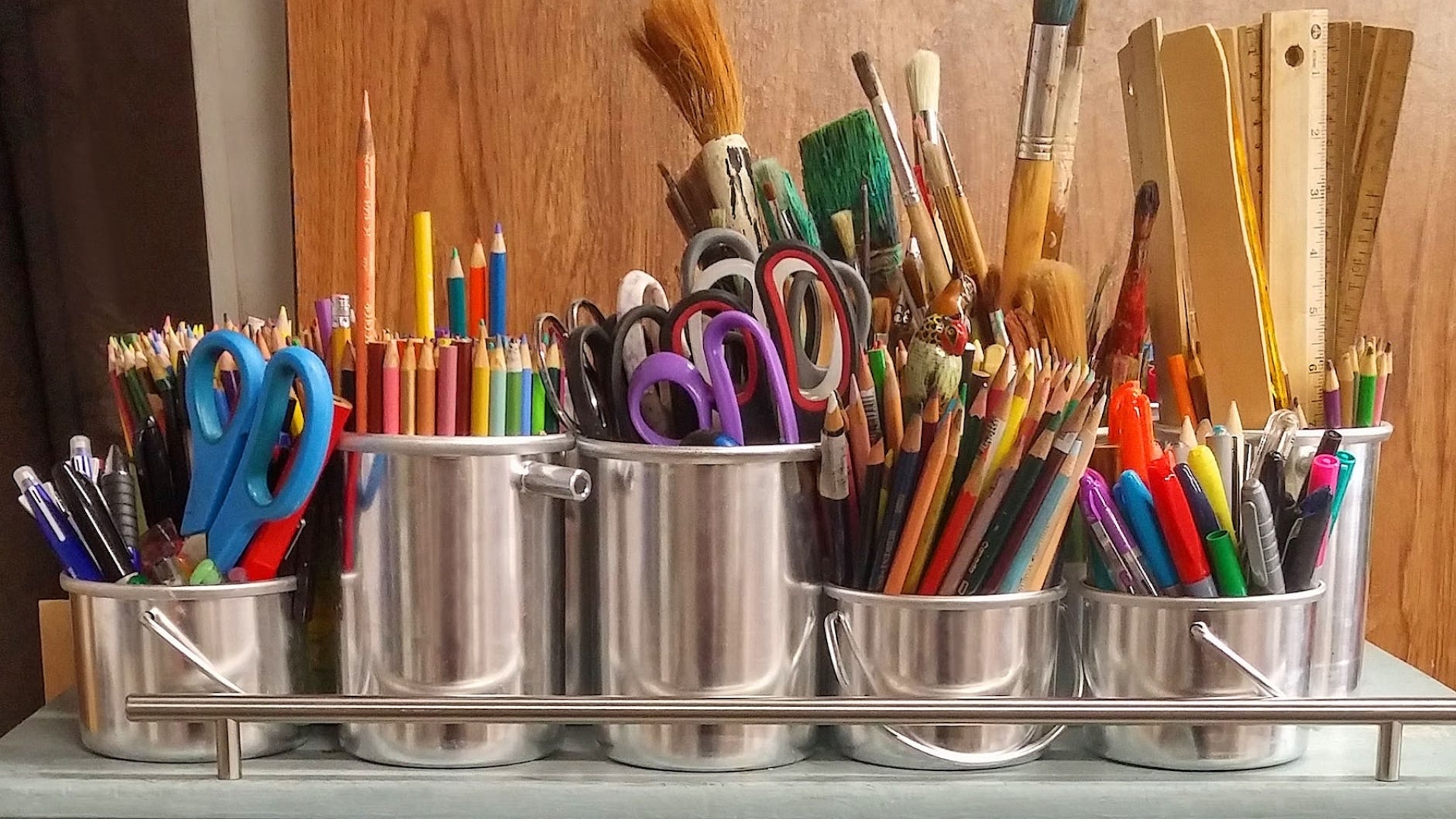
Many other studies back up these findings. For example, I enjoy decorative planning, greeting card making, colouring, and other creative activities. I have found that, undertaken daily, I have more positive psychological functioning.
I also experience increased engagement- mindful awareness of whatever happens in my day. Many years ago, when I was in the nursing profession, we helped patients’ recovery by engaging in art-based activities to enhance their well-being and aid recovery.
Unlocking the creative mind enables us to become more open to new possibilities and develop a positive outlook. In addition, the enjoyment of doing crafts contributes to psychological well-being through increasing pride and happiness, self-awareness, and a sense of achievement.
Craft practices, such as colouring books for grown-ups and the upsurge of interest in cooking from scratch and productive home gardens, are being looked to as something of an antidote to the stresses and pressures of modern living. These activities are called mindful activities. Mindfulness is where your focus is on your body, mind and emotions engaged in your task. Some people also engage spiritually with their tasks. This mind, body, and spirit connection bring holistic strengthening and healing.
CRAFTING GROWS YOUR BRAIN
Repetitive actions are suitable for your brain. Repetition helps to strengthen the brain’s neural processors for learning and teaches you to practice, master and retain knowledge.
Repetition is so important because it allows practice and reinforcement while being needed for skill mastery and success. We all learn through repetition and memorisation, which helps to strengthen the brain’s neuron processors for learning; this is where crafting comes in.
Crafts, by and large, are repetitious, particularly things like knitting. Even for a short while daily, engaging in crafting will help the brain’s neuron processors.
Remember you only have one life, so- Live Life on Purpose in Faith, Hope, and Love-Virtual hugs – Paula Rose
A author/writer and wellness consultant. I enjoy writing about Holistic Wellness and developing my business, Wellness4Women, to help women be happy, well, and healthy. This channel is about health, fitness, diet and wellness videos concentrating on a holistic preventive health approach. I have worked internationally with over 40 years of experience, having a Bachelor of Pastoral Counselling and Theology and a Master of Arts in Counselling & Professional Development.
For more Great tips, visit https://1.hairforu.net
You will also find many of my articles on Medium.com. Go to-
https://paularoseparish54798.medium.com
https://www.youtube.com/channel/UCvdQ4NPTNfXSnwd3pimPh0g
You’ll find my books on Amazon, and
If you wish to connect with me, please do so at paularoseparish@gmail.com